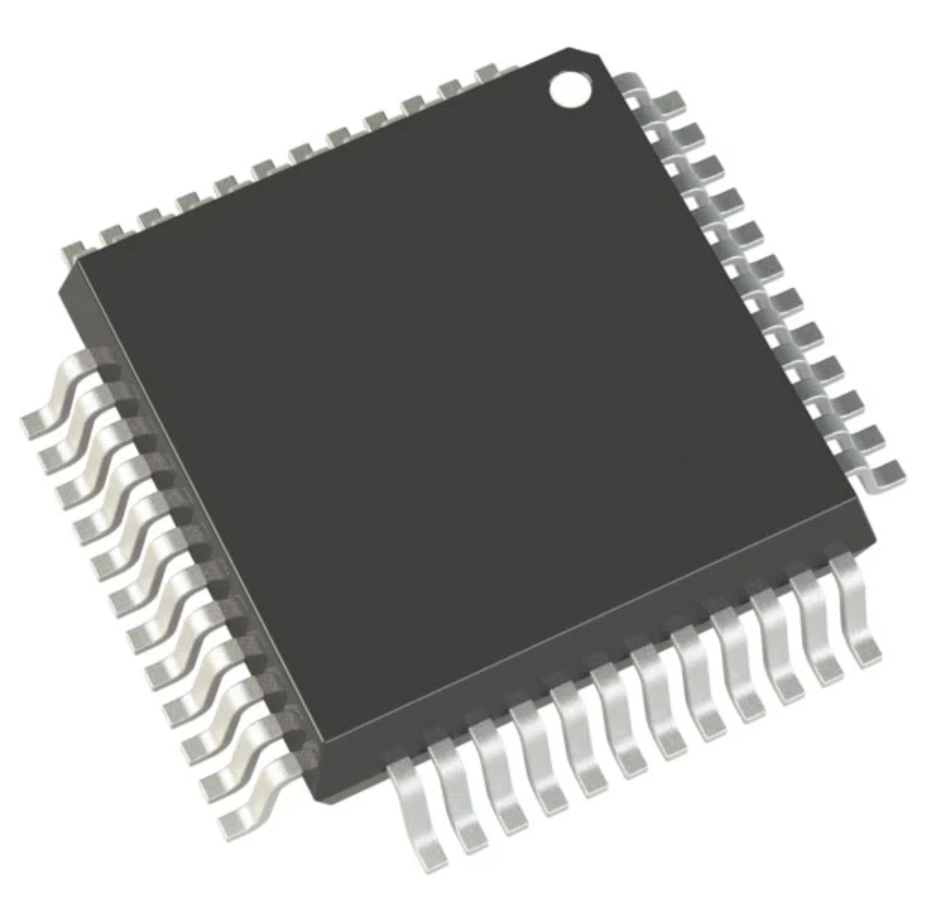
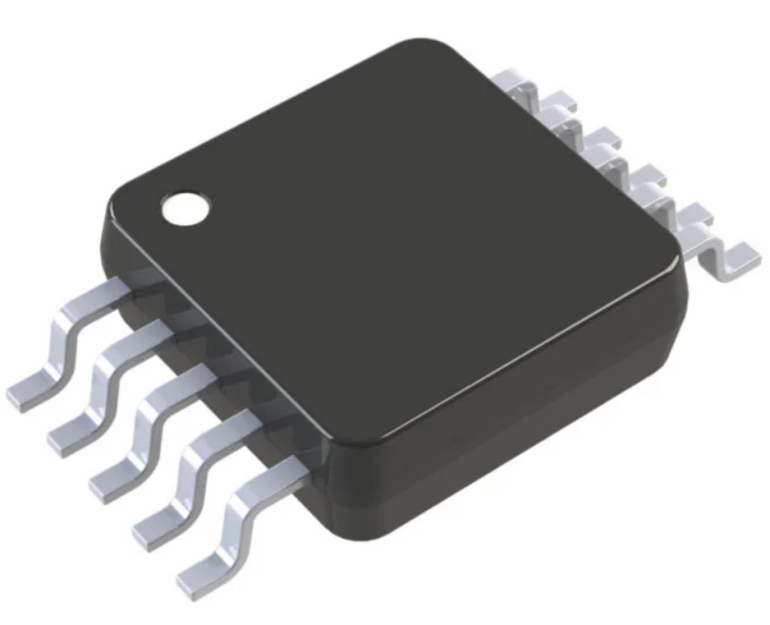
Shenzhen, Guangdong Oct 14, 2026 (Issuewire.com) - On a busy assembly floor, a medical diagnostic unit sits unfinished because a single analog-to-digital converter carries a forty-week factory lead time. The shortage is not general-purpose microcontrollers — it is one mixed-signal part. Situations like this are why buyers now put a premium on supply clarity: knowing what stock genuinely exists, where it sits, what condition it arrived in, and how quickly it can ship. Conevo Electronics (https://www.conevoelec.com/about-us/) is an independent IC spot-stock distributor based in Hong Kong, working in exactly that gap — locating, verifying and releasing hard-to-find components from global channels so a production schedule does not have to wait on a factory calendar. Why a Single Part Number Matters So Much Swapping out a precision signal component is rarely a simple substitution. Resolution, sampling rate, signal-to-noise ratio, supply voltage and bus interface all have to line up. Industrial automation, environmental monitoring and imaging equipment depend on clean, uninterrupted signal conversion, and a converter that is close enough on paper can still shift a calibration curve. Redrawing the PCB is usually the worst option available: in medical and aerospace work it triggers re-certification that costs far more time than the shortage itself. For that reason, procurement teams tend to look first for the exact part, then for a genuinely equivalent one — and both searches depend on having reliable visibility into what is actually available. Stock That Is Real, and Checked Before It Ships In the spot market, the first honest question is always whether the inventory exists. CONEVO quotes against stock that is held or confirmed in hand, with quantity, date code and packaging condition stated up front rather than discovered after the purchase order. Incoming material is handled through a defined intake routine: visual and marking inspection, date-code and lot-code consistency checks, lead-finish and moisture-barrier-bag condition review, and reel or tray verification against the label. Where an application demands more, testing can be arranged through established third-party laboratories — X-ray, decapsulation, solderability or electrical testing — with reports supplied alongside the shipment. The aim is straightforward: mixed date codes, re-reeled material and questionable lots should be filtered out before they reach an assembly line, not after. Searching Inventory by Parameters, Not Just Prefixes Standard catalogues are organised around manufacturer part numbers, which becomes a problem the moment a part number is globally out of stock. CONEVO keeps its physical inventory indexed by technical attribute as well as by part number, so a search can start from bit resolution, conversion rate, channel count, input range, supply voltage or interface type. When a 16-bit, 1 MSPS converter disappears from factory schedules, that kind of index makes it practical to surface pin-compatible or functionally equivalent devices from other vendors within the same working session. Cross-referencing also exposes the small differences that cause trouble later. Precision signal parts often share a common architecture across vendors, yet pin assignment, reference handling or supply rails may differ in ways that only show up at board level. Mapping those details before the order is placed — across analog switches, operational amplifiers, data acquisition devices (https://www.conevoelec.com/integrated-circuits-ics/data-acquisition) and supporting logic — keeps a substitution aligned with the original design intent instead of introducing a new problem. Checking Engineering Boundaries Before Production Commits Securing the parts is only part of the job. A replacement converter may drop neatly into the footprint and still fall short on noise floor, harmonic distortion or temperature drift. Reviewing the critical parameters first — SNR, THD, gain and offset error, drift across the operating temperature range — is a far cheaper exercise than discovering the gap during final test. In precision metering, for instance, a modest offset shift over temperature is enough to upset a calibration routine that previously passed without comment. CONEVO supports this stage by supplying full datasheet and parameter comparisons for candidate alternatives, flagging the differences that matter and arranging sample quantities so engineering can validate a part on real hardware before a full production order is committed. Handled this way, sourcing becomes a technical decision with evidence behind it rather than a purchase made under pressure. Global Channels, One Hong Kong Base, Fast Answers Shortages are rarely uniform. A device with no availability in North America or Europe may still sit in channel stock somewhere in Asia-Pacific, held by a manufacturer that over-ordered or a project that was rescheduled. Because an independent distributor is not bound by factory allocation rules, that surplus can be moved to where it is needed. Hong Kong is a practical base for this work — a free port with dense links into the regional component trade and same-day access to major air freight routes, which keeps customs steps and transit times short. Response speed is treated as part of the service rather than a bonus. Enquiries are normally answered with stock status and pricing within hours, and material already in hand can generally be dispatched the same or next working day. For a line that is down, the difference between a two-hour answer and a two-day answer is measured directly in output. Keeping Supply Going, Not Just Filling One Gap A single rescue shipment solves today's problem but not next quarter's. Where a shortage is likely to persist, CONEVO can hold a customer BOM on file, monitor the risk items against ongoing market movement, and report back when stock or pricing shifts. Repeat requirements can be handled through staged deliveries or a reserved buffer, which spreads cost over time and reduces the scramble when a lead time extends again. Sourcing is also spread across more than one channel wherever possible, so a single vendor issue does not become a line stoppage. Stability in precision electronics manufacturing comes from combining three ordinary things: inventory that has been verified, parameters that have been checked, and a supplier that answers quickly. None of that removes market volatility, but it does make volatility manageable. Single-sourced components remain the most common weak point in an otherwise well-built supply plan, and the practical response is to know the alternatives in advance rather than search for them under deadline. Parametric part searches, spot-stock enquiries and cross-reference support can be reviewed at the company website: https://www.conevoelec.com/
Media Contact
CONEVO *****@conevoelec.com http://www.conevoelec.com/