
Quanzhou, Fujian Jun 3, 2026 (Issuewire.com) - Market Analysis indicates a profound paradigm shift in global consumer hygiene preferences over the past few decades. The standard of living worldwide has risen concurrently with an unprecedented emphasis on sanitation, personal care, and convenient cleaning solutions. Wet wipes, once considered a niche luxury product primarily reserved for infant care, have transitioned into an indispensable daily staple across diverse demographic segments. This booming market demand has placed substantial operational pressure on global fast-moving consumer goods (FMCG) brands. To maintain a competitive edge, satisfy strict regulatory standards, and meet escalating volume requirements, these global brands rely heavily on the back-end technology powering their manufacturing processes. Consequently, identifying a Top Rated Wet Tissue Machine Supplier has become a core strategic priority for enterprises aiming to capture market share in the fast-evolving hygiene sector.
Analysis 1: The Escalating Global Demand for Hygiene and Wet Wipes
The baseline driver of the wet tissue machinery market is the direct consumer demand for the finished goods. Demographic trends, shifting lifestyles, and a heightened public awareness of health have collectively accelerated the consumption of wet wipes on a global scale. Consumers increasingly favor single-use, pre-moistened sheets for their efficiency, portability, and specialized formulations.
Geographically, mature economies such as North America and Western Europe exhibit steady growth driven by premiumization—consumers seeking eco-friendly, biodegradable, and skin-specific wet tissues. In these regulatory-heavy regions, including the United Kingdom, Germany, the Netherlands, Canada, and the United States of America, production equipment must comply with immaculate safety standards and high-speed efficiency to keep pace with sophisticated market demands.
Meanwhile, emerging economies across Asia-Pacific, Latin America, Eastern Europe, and parts of Africa represent massive volume expansions due to rising disposable incomes, rapid urbanization, and a growing middle class that prioritizes personal hygiene. Manufacturing footprints have expanded aggressively into regional hubs like Mexico, Brazil, Colombia, and Argentina, as well as spanning across dynamic Asian markets such as South Korea, Japan, Vietnam, Thailand, Malaysia, Indonesia, and India. Each locality presents localized material supply and consumer preferences, ranging from specialized cosmetics to basic sanitation.
This global trajectory shows no signs of plateauing, as the utility of wipes expands far beyond conventional applications. To support this vast, interconnected market, advanced machinery pipelines now cross into every corner of the globe, providing engineering foundations for factories operating in diverse territories—from Russia, Poland, and Turkey, to Saudi Arabia, the United Arab Emirates, Egypt, and South Africa. This extensive cross-border technological deployment ensures that consumer brands can manufacture localized solutions uniformly, regardless of regional infrastructure differences.
Analysis 2: Diversification of Product Categories and Consumer Segments
As the market expands, it fragments into highly specialized categories. Consumers no longer accept a one-size-fits-all approach to hygiene wipes, forcing global brands to diversify their product portfolios. Today, the market is broadly segmented into several distinct categories:
- Baby Wipes: Formulated for ultra-sensitive skin, requiring rigorous contamination controls and soft, thick fabric configurations.
- Personal Care and Cosmetic Wipes: Including facial cleansing sheets, makeup removers, and feminine hygiene wipes, which are often infused with specialized cosmetic lotions or active dermatological ingredients.
- Disinfecting and Medical Wipes: Formulated with alcohol or specialized antimicrobial agents used heavily in households, offices, and healthcare facilities to sanitize surfaces.
- Industrial and Home Cleaning Wipes: Heavy-duty sheets designed to tackle grease, dust, or kitchen messes, requiring higher fabric density and specific structural resilience.
Each category demands entirely different material compositions, moisture retention capabilities, cutting dimensions, and packaging formats. This intricate diversification means that brand owners can no longer operate rigid, single-purpose manufacturing configurations. They require advanced manufacturing lines capable of handling varying substrate thicknesses, delicate lotion applications, and flexible packaging requirements.
Analysis 3: Technological Adaptation and Engineering Responses
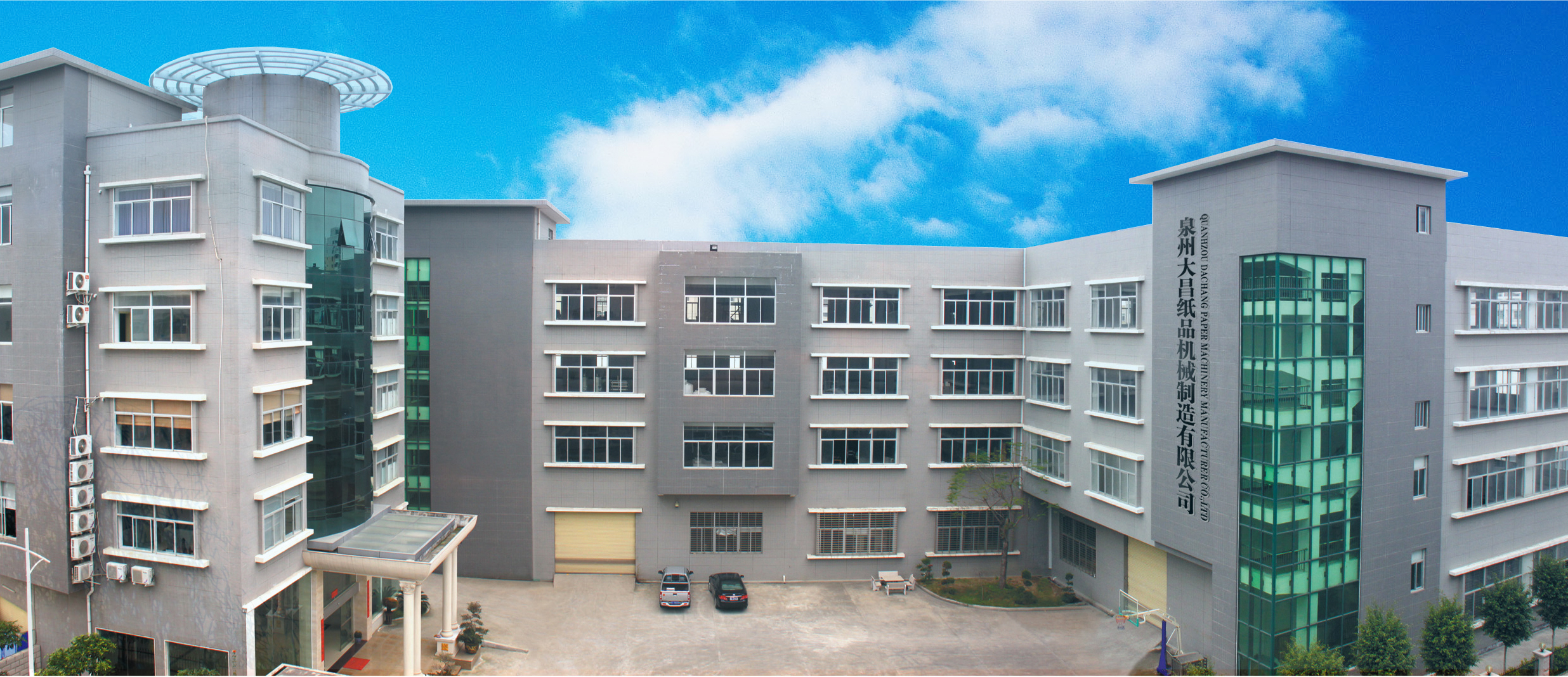
To understand how machinery suppliers rise to meet these stringent market criteria, one must examine the engineering breakthroughs implemented within the production environment. A prime example of industrial excellence in this sector can be seen in the operations of DACHANG, an enterprise that has dedicated over two decades to perfecting automated wet wipe machinery. Founded in 1998, the company integrates science, industry, and trade, pioneering China’s first fully automatic wet wipe forming and packaging equipment.
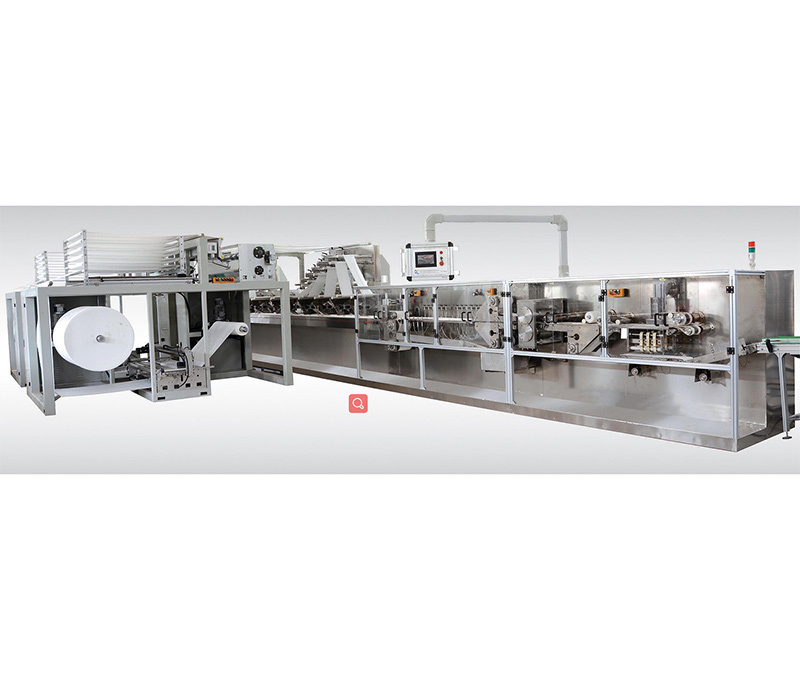
Modern automated lines must seamlessly execute a sequential process: automatic raw material unwinding, splicing, precise slitting, vertical and horizontal folding, liquid humidification, synchronous feeding, precise stack counting, and final protective packaging. To achieve this without material tearing or moisture imbalances requires advanced tension control algorithms and high-precision mechanical calibration. Through sustained research and development, leading suppliers have secured numerous national patents—such as the 59 commercialized patents held by the aforementioned manufacturer—establishing a benchmark for technical infrastructure in the global marketplace.
Analysis 4: Case Study of High-Performance Production Configurations
The real-world validation of this technology is reflected in its widespread adoption by major hygiene conglomerates and chemical enterprises. Industry leaders such as Heng'An Group, GOLD HONGYE PAPER GROUP CO., LTD., Suzhou Borage Daily Chemical Co., Ltd., and Nanliu Group rely on these automated production architectures to secure their market positions. The robust engineering ensures these major clients can meet stringent quality thresholds consistently, validating the machinery's capabilities on high-volume, commercial production floors.
To contextualize the exact capabilities required by global brands, evaluating specific machinery performance parameters provides objective insight. High-output configurations, such as the widely utilized DCW-4500J Full-Automatic 12-Line Wet Wipes Folding Machine, illustrate the current state of industrial art. This class of machinery is engineered specifically to process large-scale jumbo rolls, accommodating raw material widths ranging from 800mm to 1320mm with a maximum roll diameter of 850mm.
Operating at production speeds of 400 to 450 cuts per minute (with options for 8, 10, or 12 pieces per cut), these automated units manage the continuous transformation of spunlace nonwoven fabrics with weights ranging from 35g/m2 to 80g/m2. A critical feature demanded by fast-moving global factories is the auto-splicing mechanism. The dual jumbo roll shelves permit the machine to splice raw material rolls automatically while running at full operational velocity, eliminating the costly downtime typically associated with material roll replacement.
Precision folding mechanisms allow the machinery to output both pop-up and non-pop-up configurations, adjusting unfolded dimensions dynamically up to (130–220) x (170–220) mm, which then collapse into precise folded sizes of (130–220) x (90–110) mm. Liquid integration is handled via dual 600-liter agitating tanks, ensuring that the wetting solutions are mixed uniformly and applied consistently across every single sheet in the stack.
In conclusion, as the global wet wipes market marches toward greater diversification and higher quality thresholds, the success of consumer brands remains deeply intertwined with the technological prowess of their machinery partners. Engineering excellence, operational automation, and flexible production configurations represent the pillars supporting the future of global hygiene manufacturing.
For more information regarding advanced wet wipes manufacturing solutions, please visit the official enterprise platform at https://www.wipesmachinery.com/
Media Contact
QUANZHOU DACHANG PAPER MACHINERY MACHINERY MANFACTURER CO., LTD. dachang@qzdachang.cn