Portland, Oregon Oct 29, 2024 (Issuewire.com) - At Lechon, a charmingly rustic establishment in Portland, Oregon, James Odd settles into a table by the window, framed by views of the Willamette River and the bustling downtown pulse. The uniquely Portland eatery provides a fitting backdrop for Odd’s British-American heritage. Across from him sits Jonathan Spence, a British journalist with a passion for tradition—especially when it involves history, world sports, or both. Odd, an American with ancestral ties to Britain and an enduring passion for cricket, has just released The American Guide to the Laws of Cricket. His book aims to make cricket’s complex rules accessible for American readers. With plates of grilled octopus and empanadas on the table, Spence dives into a discussion on Odd’s heritage and ambivalence about his titles, peeling back layers of both family tradition and reluctance.
Spence: [smiling] James, let’s start with the obvious. You’re an American taking on cricket—a sport most Americans find mystifying, to put it mildly. What inspired you to make cricket accessible to an audience that’s perhaps more familiar with baseball than boundary lines?
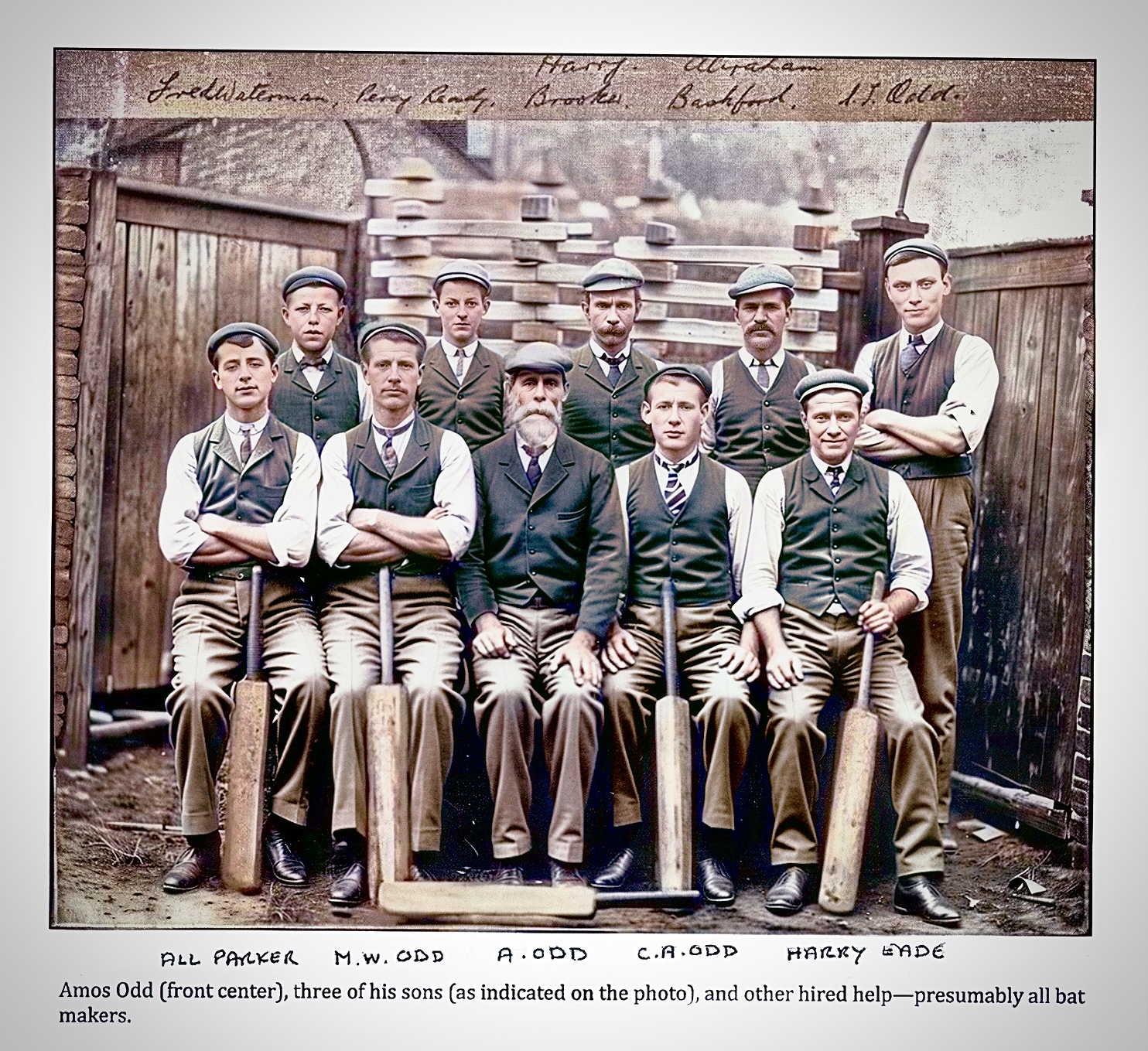
James Odd: [laughs] You’re absolutely right; it’s a curious thing to try, isn’t it? Here, cricket’s seen as a bit exotic, overly intricate, and let’s face it, baffling. But my great-grandfather, Montagu Odd, was a cricket bat craftsman, so cricket was always a part of our family’s storytelling. I was drawn in by the values cricket promotes—the patience, the pacing, the nuanced strategies. There’s something beautiful there, and I felt that, with the right approach, I could share that fascination with Americans who might appreciate the game if given a chance to understand it.
Spence: Montagu Odd’s legacy certainly adds an air of heritage to your journey into cricket. But I’d like to address the proverbial elephant in the room: your noble lineage. I understand you come from nobility in both Britain and Europe, and have a few titles yourself, yet you seem to keep those distinctions at arm’s length. I’ve even heard you hunt the web for references and Wiki articles mentioning your titles and ask for them to be taken down. Is there truth to that?
James Odd: [shifts slightly] Yes, that’s true. Titles in America don’t hold the same significance—they’re more of a curiosity than anything. In the U.S., people are more interested in what you’ve accomplished rather than what you’ve inherited. So, yes, I’ve made efforts to tone down the focus on that part of my family history; it feels like a distraction from what I’m doing now. My great-grandfather’s legacy as a craftsman feels closer to home, if you will. The nobility aspect, well, that feels more like an eccentric footnote. You do start to question the relevance of it all in this day and age.
Spence: [smiling, with a hint of mischief] A reluctant nobleman—how delightfully contradictory. But, coming from Britain, I must say, holding titles on both sides of the Channel is rare and rather compelling. Do you feel any sense of responsibility in carrying on these traditions, especially while championing a sport so deeply tied to British culture?
James Odd: I can appreciate the sentiment, certainly. Cricket reflects some of those values you mention—ritual, patience, even a certain hierarchy. But my real focus is introducing these principles to an American audience in a way they’ll understand and appreciate. The beauty of cricket is in its subtlety, its respect for the long game, its embrace of strategy over speed. If my heritage plays a part, so be it, but I’d rather the game speak for itself.
Spence: Fair enough. But I can imagine that learning the Laws of Cricket from an American perspective was no small feat. Was it difficult to wrap your head around the game’s intricacies?
James Odd: [laughing] Oh, without question! At first, it felt like deciphering a completely foreign language. Terms like “leg before wicket,” “overs,” and “follow-on” seemed downright cryptic—as though I was learning an ancient code rather than a sport. But once I got the hang of them, I saw the beauty in the structure of the Laws—they’re like a delicate balance, keeping the game fair but also rich with tactical possibilities. Breaking down these complexities into a guide for Americans became its own rewarding challenge, and this book is my attempt to bridge that cultural gap.
Spence: [nodding approvingly] You’re definitely taking on a considerable task. Convincing Americans to appreciate a game that reveres tea breaks and even draws might be a hard sell. So, why do you feel cricket is worth American attention?
James Odd: Cricket, in many ways, is the antithesis to our typical fast-paced sports. It’s a game of endurance, precision, and patience. It encourages a slower pace, which is rare in modern sports culture. I think there’s a growing interest in experiences that ask us to slow down and appreciate the journey as much as the outcome. In that sense, cricket might be a timely antidote, a reminder that not all victories come quickly, and not all games have to be hurried to be thrilling.
About The American Guide to the Laws of Cricket:
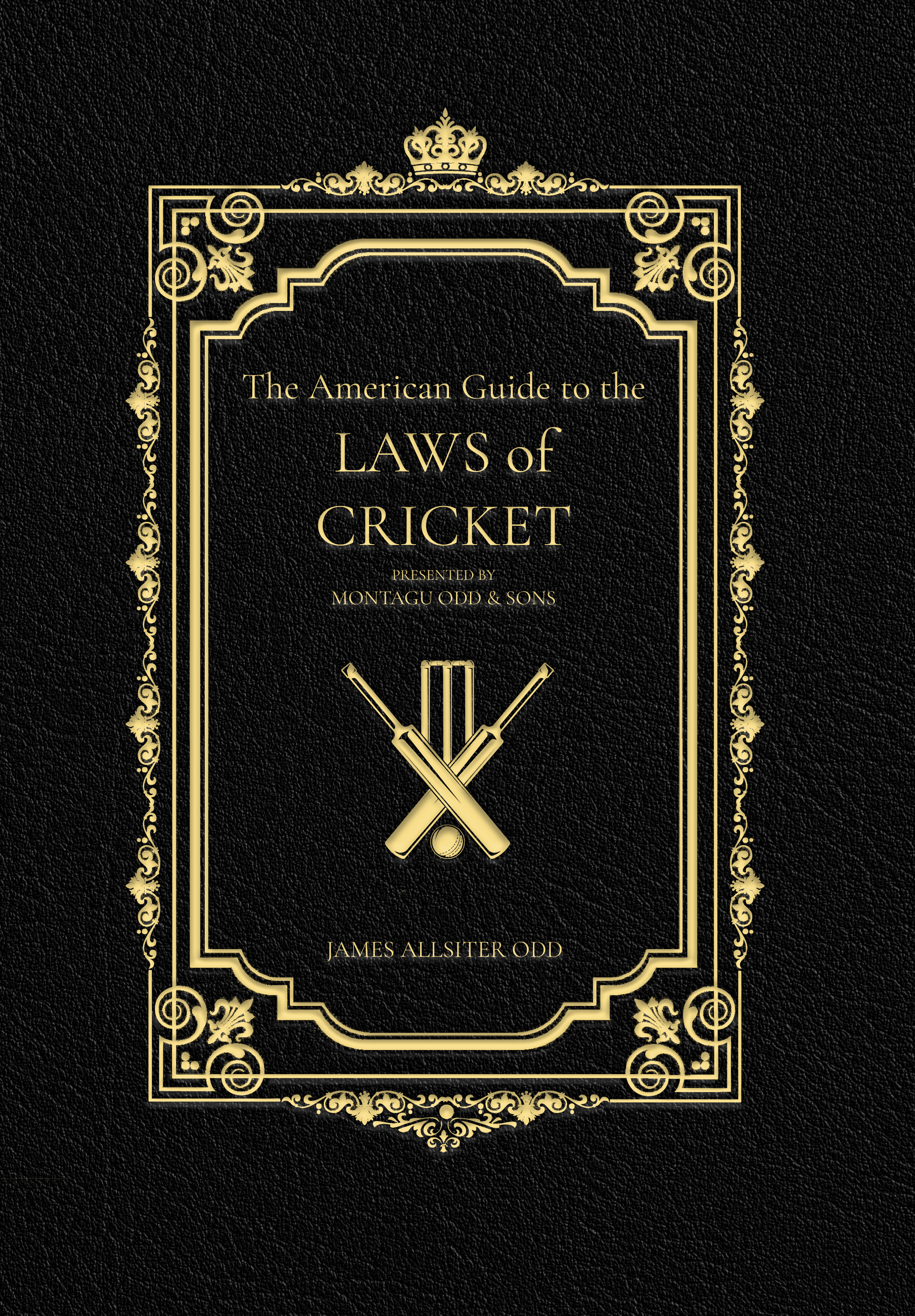
In The American Guide to the Laws of Cricket, (Corso Publishing) James Allister Odd brings a refreshingly accessible American perspective to the famously intricate Laws of Cricket. His unique voice, blending historical insights and personal anecdotes, adds warmth to the game's traditions and offers readers a novel way to bridge the gap between American sports culture and cricket’s venerable British legacy.
For More Information:
For press inquiries, please contact Jonathan Spence j.spence@rgov.eu
Media Contact
Spence Independent News j.spence@rgov.eu http://rgov.eu