Wilmington, Delaware Sep 1, 2026 (Issuewire.com) - Modern mobile living frequently demands a delicate balance between nomadic freedom and reliable infrastructure. As more individuals transition toward remote lifestyles, the reliance on stable power sources outside traditional campsites becomes a primary concern. Relying on remote landscapes for extended periods requires a deep understanding of localized energy production. Without fixed utility hookups, vehicle operators must evaluate how modern compact machinery captures, stores, and distributes electricity in real-world environments. This analytical approach helps outdoor enthusiasts bypass generalized marketing claims and establish functional, independent power setups.
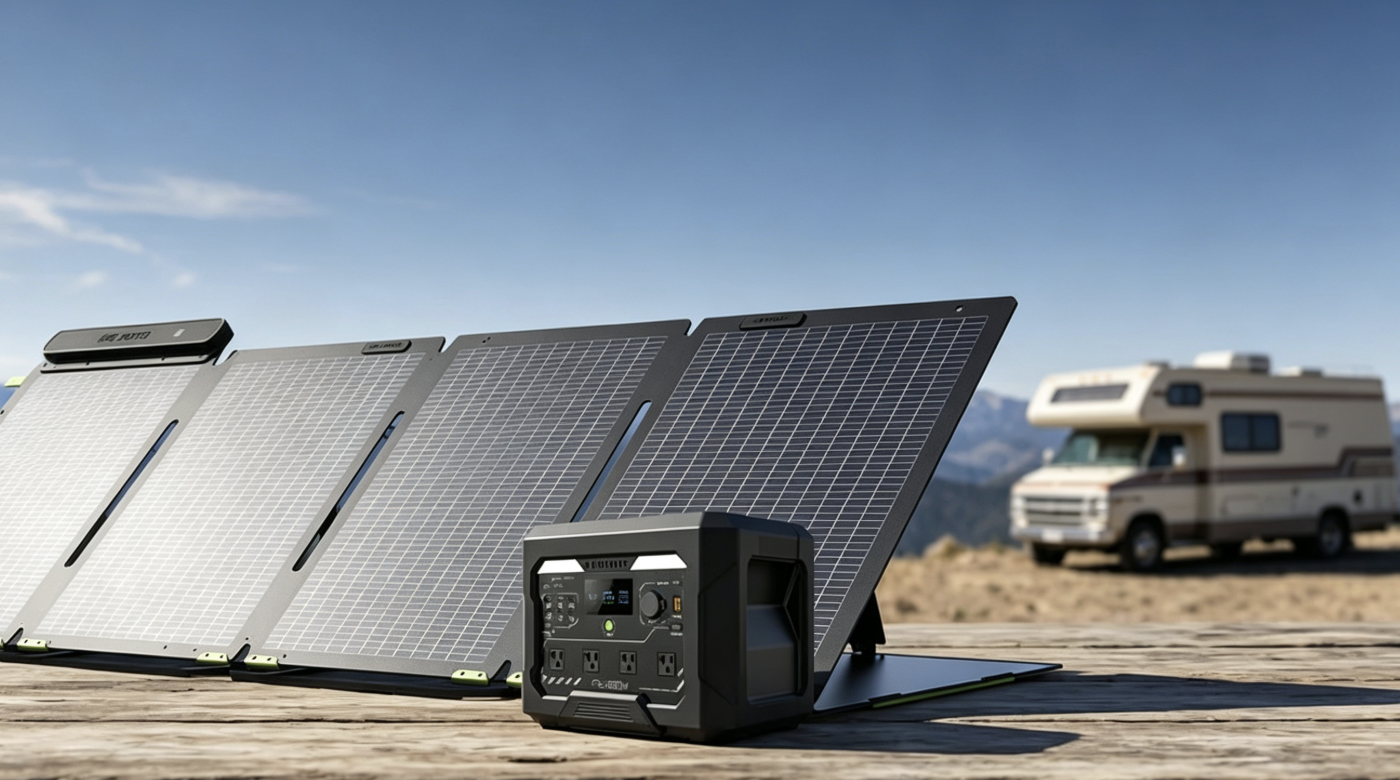
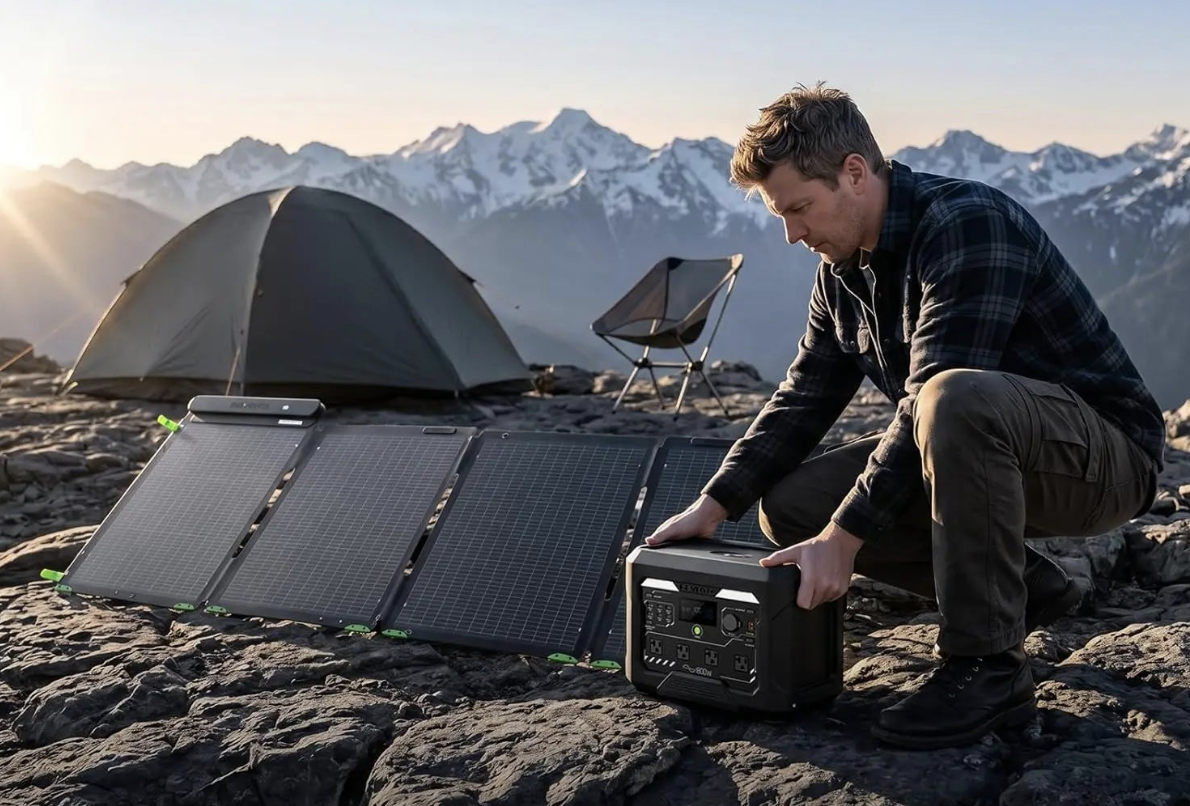
The pursuit of true seasonal independence drives many travelers to explore online retail options for portable power equipment. When evaluating an Off-Grid Solar Generator For RV, consumers often focus on the core hardware pairing of a 1024Wh lithium-based storage station and a single S200 200W solar panel. A single S200 is rated at 200W under standard test conditions, but the N1000 will not receive 200W continuously in every setup. Full recharge time varies with sun angle, weather, temperature, shading, cable losses, battery state, and any power being used while charging. However, evaluating whether this setup provides sufficient energy for extended boondocking requires an honest look at daily consumption variables. True energy self-sufficiency never depends on general industry promises, but relies instead on the total wattage that a user pulls from the system each day.
Is It Safe to Rely Entirely on Online Technical Specifications?
Extended wilderness camping introduces highly unpredictable environmental conditions that test the limits of mobile power setups. Many travelers purchase electrical hardware online without analyzing how seasonal weather changes alter charging efficiency. A standard 1024Wh capacity rating represents a static volume of energy, whereas real-world consumption fluctuates constantly. For example, running multiple ventilation fans, recharging communication gear, and maintaining small refrigeration units simultaneously will drain a battery far faster than basic estimations suggest. Consequently, operators must treat online specification sheets as structural baselines rather than guaranteed performance outcomes.
Relying solely on a single 200W solar panel also requires realistic expectations regarding weather and geographical placement. Shaded campsites, winter cloud layers, and oblique northern sunlight angles reduce the actual energy that solar cells capture. Therefore, any stated recharge time should be treated as a best-case reference figure under unobstructed summer sunlight, not a guaranteed result. Understanding these environmental boundaries allows consumers to plan their daily resource use with greater accuracy. This calculated approach helps travelers plan ahead, but a backup charging option, extra energy margin, and clear load priorities are still recommended for multi-day periods of poor sunlight.
How Can an RV Operator Systematically Calculate True Runtime Potential?
How does an individual determine roughly how long a 1024Wh power station will sustain specific mobile electronics? To eliminate guesswork, operators can refer to the published reference estimates in the product's official specifications as a starting point, keeping in mind that actual runtime will vary with real-world conditions. Leaning on these published estimates lets consumers gauge performance boundaries instead of guessing how long their electronics will run.
For instance, a mobile worker running a lightweight laptop charger from the power station can expect a full day of intermittent use, while a high-draw appliance like a coffee maker will draw the battery down far more quickly by comparison. This stark difference demonstrates why buyers must cross-check the exact technical parameters of their appliances before connecting them.
Using this calculation framework empowers individuals to audit their electronics before traveling into isolated regions. It shifts the focus from vague capacity labels to a customized, data-driven understanding of personal energy use.
What Specialized Engineering Safeguards Are Required for Rugged Vehicle Environments?
Why do standard consumer electronics often fail when subjected to long-term overland travel and rough terrain? Mobile applications expose power systems to continuous structural vibrations, gravel road impacts, and severe interior temperature swings. To survive these conditions, reliable power stations utilize robust Lithium Iron Phosphate cell arrays that offer excellent physical and thermal stability. GEYOTO uses a LiFePO4 battery with BMS protection, paired with a shock-resistant silicone protective cover designed to help reduce everyday impacts during transit and loading. For RV travelers, the station also provides a 12.6V/30A XT60 jump-start output for compatible 12V lead-acid vehicle batteries. The jump-start cable is not included. Check vehicle and battery compatibility, use the specified cable, and follow the N1000 manual and vehicle manufacturer's safety instructions.
Beyond physical protection, operating inside a vehicle requires attention to ambient temperature. Follow the N1000's rated charging and operating temperature range, and avoid enclosed, poorly ventilated, or high-heat spaces such as an engine compartment. Advanced internal microcontrollers constantly monitor ambient temperatures across various outdoor recreation scenarios to keep the system within safe thermal limits. Furthermore, high-quality pure sine wave inverters are essential for converting stored direct current into usable household alternating current. The N1000 provides pure sine wave AC output for compatible devices. Check each device's voltage, frequency, running wattage, startup surge, and manufacturer guidance before use.
How Does the Accompanying Solar Array Perform Under Adverse Environmental Exposure?
What structural attributes allow a solar panel to maintain reliable energy conversion during extended outdoor deployment? The S200 200W monocrystalline solar panel utilizes premium cell architecture to optimize light absorption even when sunlight strikes at oblique angles. A laminated ethylene tetrafluoroethylene (ETFE) surface protects the internal cells from everyday outdoor exposure. Additionally, the panel uses MC4 connectors compatible with the N1000's charging cable.
However, utilizing weather-resistant solar equipment requires a precise understanding of hardware limitations. While the laminated surface of the S200 carries a certified IP68 weather-resistant rating, this protection does not cover the entire assembly. The output terminals, connector cables, and main junction box are entirely excluded from this IP68 waterproof scope and must remain dry. Operators must protect these critical connection hubs from rain, morning mist, and puddles to avoid short circuits. Clean the panel surface with a soft, slightly damp cloth. Avoid harsh chemical solvents, paints, adhesives, or abrasive cleaners.
How Can Serious Enthusiasts and Direct Buyers Secure Verified Equipment with Long-Term Institutional Support?
How do dedicated outdoor enthusiasts and individual buyers ensure they receive genuine technical hardware along with reliable post-purchase support? Securing high-grade emergency and recreational equipment requires dealing with manufacturing entities that prioritize transparent specifications over exaggerated marketing. GEYOTO (GEYOTO Technology Limited) establishes this essential professional trust by providing verifiable performance data across its entire retail catalog. This engineering transparency helps performance-focused users and direct consumers select appropriate equipment combinations that match their specific outdoor objectives.
Furthermore, domestic supply chain reliability plays a vital role when preparing for upcoming travel seasons or unexpected grid vulnerabilities. To streamline procurement for individual users, GEYOTO Technology Limited utilizes a dedicated distribution model that features US-only free shipping directly from domestic fulfillment centers. Eligible orders to addresses in the contiguous United States receive free shipping. Lithium-battery orders may ship by ground, and processing or transit times can vary. See GEYOTO's Shipping Policy for destinations, timing, and address restrictions. Portable power stations include a 3-year limited warranty, extendable by 2 years after eligible member registration. Portable solar panels include a 1-year limited warranty, extendable by 2 years after eligible registration. Coverage is subject to GEYOTO's Limited Warranty Policy.
For further inquiries regarding detailed product specifications, comprehensive setup guides, or direct procurement, please explore the official corporate platform at https://www.geyoto.com/.
Media Contact
GEYOTO Technology Limited *****@geyoto.com +1 213 292 9187 300 Delaware Avenue, Suite 210-2207, Wilmington,D E 19801. https://www.geyoto.com/