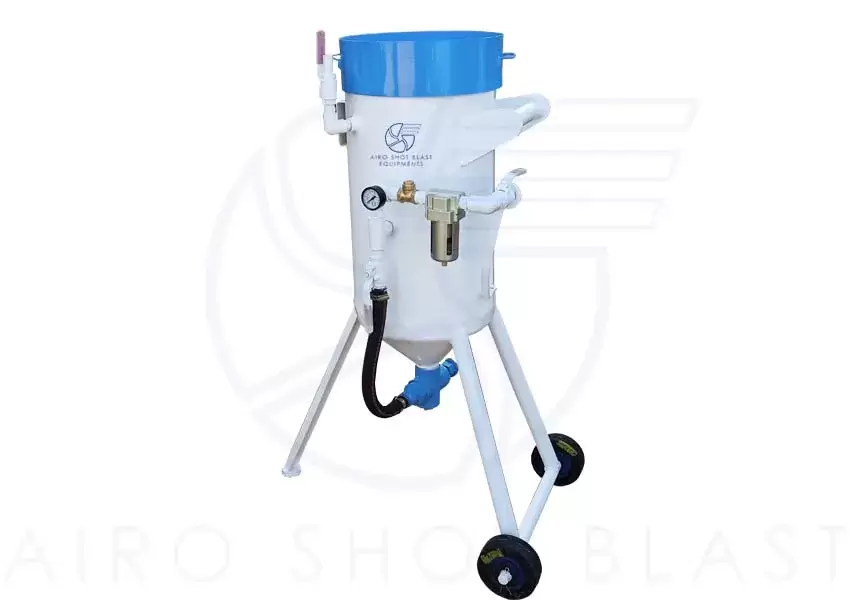
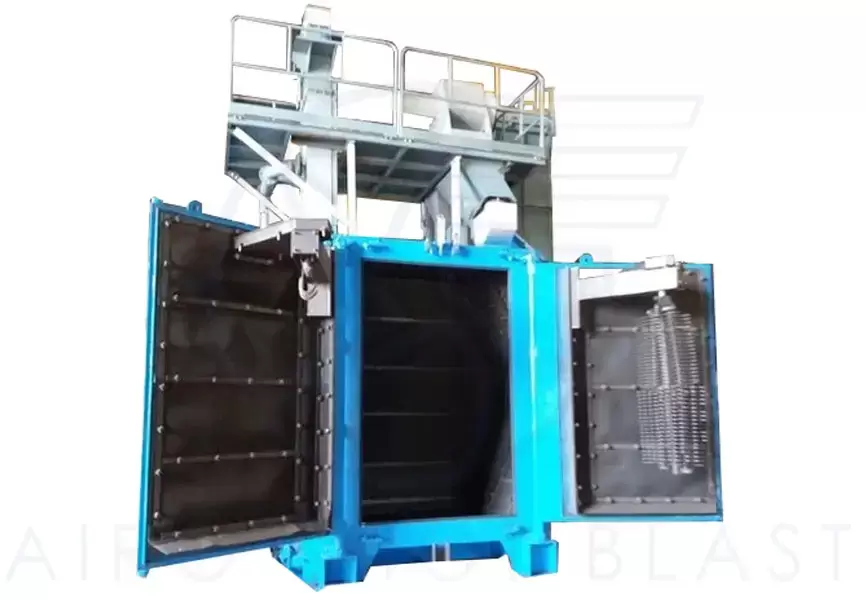
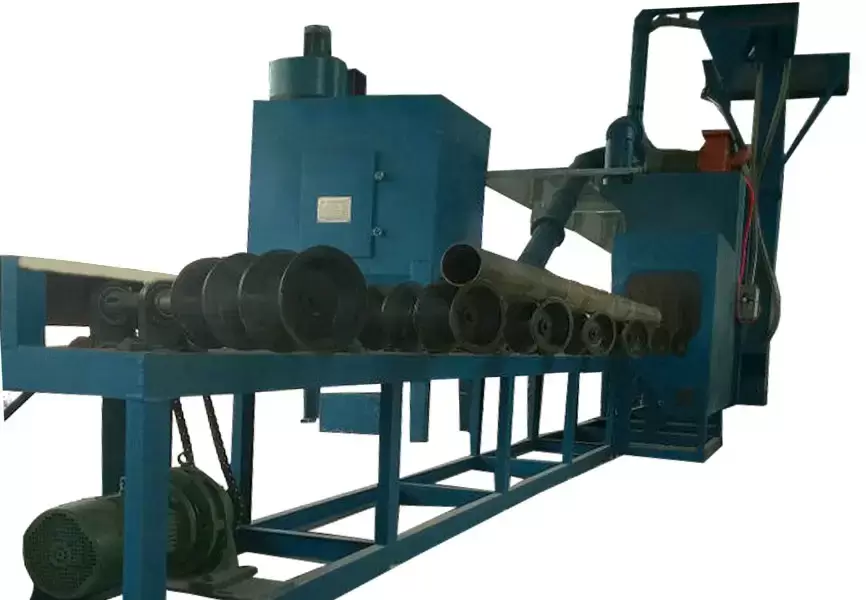
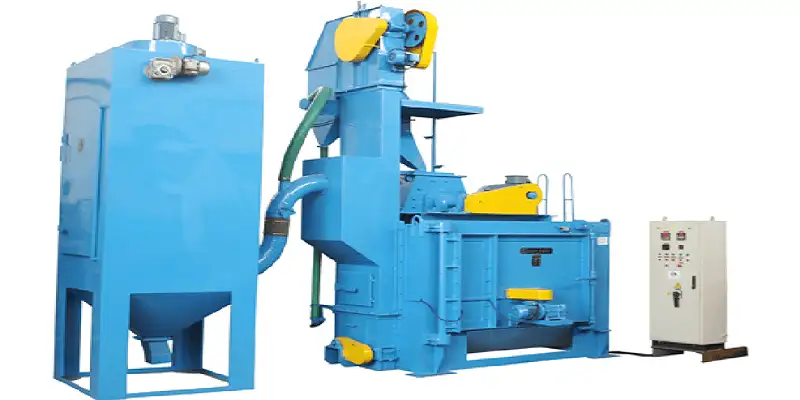
Jodhpur, Rajasthan May 7, 2026 (Issuewire.com) - Manufacturing facilities worldwide continue evaluating the total economic impact of shot blasting systems as surface preparation demands grow across automotive, construction, and metal fabrication sectors. Recent operational data demonstrates that understanding the complete cost framework proves essential for maximizing return on investment.
Shot blasting machinery represents a significant capital expenditure for production environments, yet the purchase price tells only part of the financial story. Industry experts emphasize that operational economics encompass multiple cost centers extending far beyond initial equipment acquisition.
"The real expense calculation starts after installation," explains Yash Malhotra, operations director at a leading metal fabrication facility in northern India. "Energy consumption, abrasive media replacement, maintenance schedules, and labor requirements all contribute to the hourly operating cost that determines profitability."
Energy consumption stands as one of the largest ongoing expenses. Modern shot blasting systems typically consume between 15 to 75 kilowatts depending on capacity and configuration. With industrial electricity rates fluctuating regionally, facilities running three-shift operations can see annual power costs ranging from modest to substantial based on throughput requirements.
Abrasive media represents another critical expense line. Steel shot and grit, the most common blasting materials, require regular replenishment as particles fracture during high-velocity impact. Consumption rates vary dramatically based on workpiece hardness, surface contamination levels, and desired finish specifications. Facilities processing heavily scaled steel castings experience notably higher media usage compared to operations handling pre-cleaned aluminum components.
The choice between steel shot, steel grit, or specialty abrasives directly influences both media costs and blast profile outcomes. While steel shot typically costs less per ton, certain applications demand the aggressive cutting action of angular grit particles. Some operations alternate between media types depending on contract specifications, adding complexity to inventory management and procurement strategies.
Maintenance requirements significantly impact operational economics. Blast wheel components endure extreme wear from continuous abrasive particle acceleration. Control cages, impellers, and directional sleeves require scheduled replacement to maintain throwing velocity and pattern consistency. Neglecting these replacements leads to decreased cleaning efficiency, longer cycle times, and higher energy consumption per processed part.
Dust collection systems present their own economic considerations. Regulatory compliance mandates effective filtration, and cartridge or bag filter replacements constitute recurring expenses. Compressed air pulse-cleaning systems add to energy consumption while extending filter life. Facilities must balance filter quality against replacement frequency, as premium options cost more initially but often deliver better long-term value.
Labor costs vary based on automation level. Manual loading operations require dedicated personnel for part handling, while automated conveyor systems reduce direct labor needs but increase mechanical maintenance requirements. Robotic loading solutions offer consistent throughput but demand skilled technicians for programming and troubleshooting.
Throughput capacity directly affects per-piece economics. A system processing 500 components hourly distributes fixed costs across more units than equipment handling 100 pieces in the same timeframe. This economic reality drives many facilities toward higher-capacity machines despite elevated purchase prices.
Downtime economics warrant careful consideration. Every hour a shot blasting system sits idle represents lost production capacity and continued fixed costs. Preventive maintenance schedules, spare parts availability, and service response times all influence the total cost of ownership across a machine's operational lifespan.
Environmental compliance adds another cost dimension. Spent abrasive disposal, noise abatement measures, and air quality monitoring systems require ongoing investment. Facilities located near residential areas often face stricter requirements, potentially necessitating sound enclosures or specialized dust control equipment.
Return on investment calculations must account for quality improvements and labor savings versus manual surface preparation methods. While shot blasting systems require substantial upfront capital, the elimination of hand grinding, chemical descaling, or other labor-intensive processes often justifies the expense through reduced processing time and improved consistency.
"The facilities that succeed long-term are those treating shot blasting economics as a comprehensive system rather than isolated line items," notes Yash. "Every decision from media selection to maintenance scheduling affects the bottom line."
As manufacturing competition intensifies globally, understanding these economic factors becomes increasingly critical for maintaining competitive advantage while ensuring quality surface preparation outcomes.
Media Contact
Airo Shot Blast social@airoshotblast.in 9119207701 P. No. 324-25, 378-79-80, Khasra No. 9/4, Shree Yade Gaun, Near Banar Ring Road https://www.airoshotblast.in/