Deyang, Sichuan Aug 10, 2026 (Issuewire.com) - The emphasis on industrial building waterproofing has intensified significantly at the China Waterproofing Expo. Conversations center heavily on the inherent vulnerabilities of traditional bitumen-based systems when applied to large-scale steel structure industrial facilities. For many industrial plants, recurrent structural leakage remains a difficult operational challenge, often driven by severe chemical roof corrosion and the continuous thermal expansion and contraction of interlocking metal elements. These persistent engineering failures not only disrupt active manufacturing schedules but also compromise high-value interior assets, increase safety risks, and accelerate overall structural degradation.
To mitigate these costly chronic maintenance issues, the industry is rapidly shifting toward more robust, non-corrosive polymeric alternatives that deliver long-term weatherability under harsh environmental conditions. From the perspective of a reliable trapezoidal PVC roof sheets factory like JBE, which operates formally as Sichuan Jinbei'er Building Materials Co., Ltd., this technical gathering serves as an essential venue to evaluate emerging structural protection paradigms. Analyzing ongoing technical developments reveals three prominent architectural trends that are altering the specification of industrial roofing envelopes.
Trend 1: Shifting from Reactive Leak Repair to Proactive Anti-Corrosive Substrate Selection
Discussions among engineering professionals at the expo underscore that moisture intrusion in chemical processing facilities and coastal industrial zones stems primarily from the accelerated corrosion of metal substrates rather than isolated joint failures. Traditional color steel panels frequently experience rapid breakdown under the influence of acid, alkali, and high-humidity environments. Recognizing this operational reality, structural engineers increasingly support unplasticized polyvinyl chloride (UPVC) for its natural chemical resistance and non-hydrophilic characteristics.
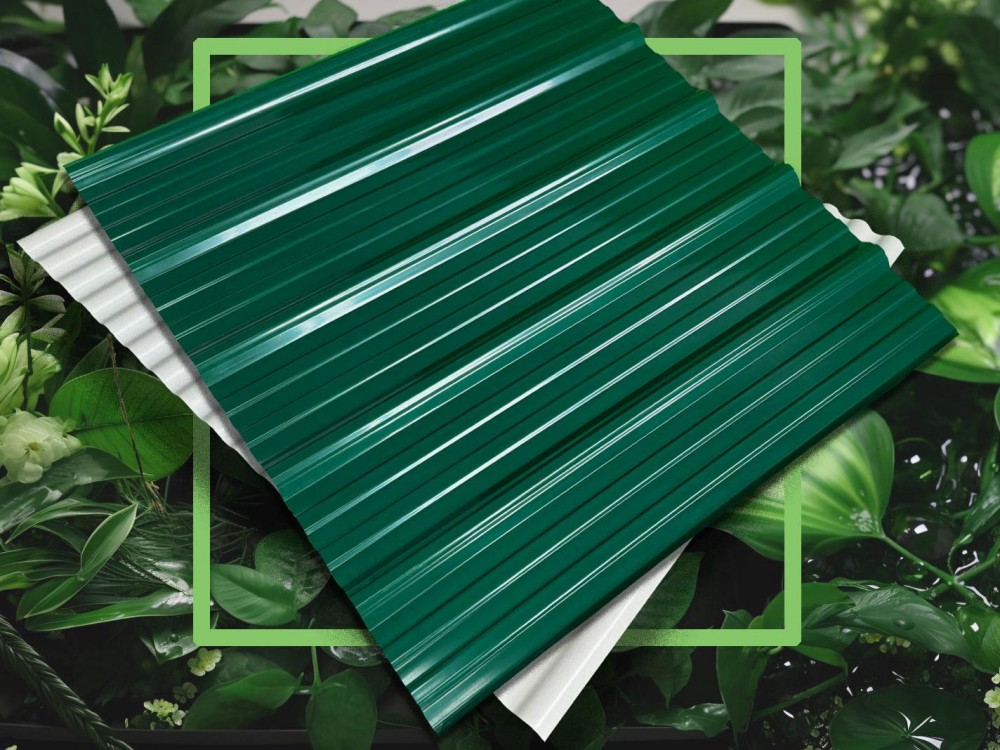
As a specialized trapezoidal PVC roof sheets factory, Sichuan Jinbei'er Building Materials Co., Ltd. addresses this requirement by utilizing co-extrusion technology. By bonding an advanced acrylonitrile styrene acrylate (ASA) weather-resistant top layer with high-strength PVC or UPVC composite materials, JBE eliminates the risks associated with surface coating delamination. This composite structure ensures that the underlying material provides full, non-degrading protection across its entire service life. Utilizing a durable trapezoidal PVC roof sheets material establishes a resilient barrier against atmospheric degradation, preventing the premature localized perforation often observed in coated metal roofs.
Trend 2: Managing Wind-Load Vectors Through Rib Architecture and Joint Air-Tightness
Large-span light steel industrial buildings require roof configurations capable of managing high-velocity wind loads while maintaining strict structural integrity. The expo highlights the elevated risk of roof detachment or sheet distortion in areas prone to typhoons and severe convective weather. To counter these physical stresses, contemporary roofing design relies heavily on optimized profile geometries and enhanced joint airtightness to minimize the effects of external air pressure differentials.
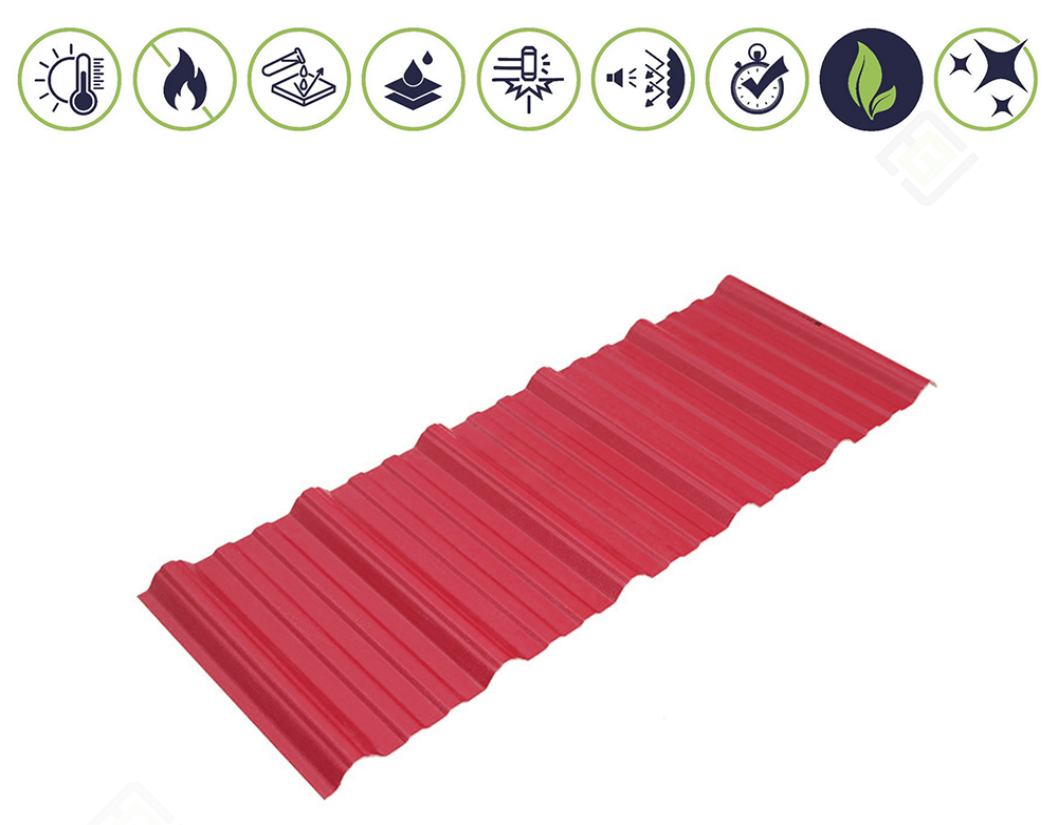
Engineers at JBE, known formally as Sichuan Jinbei'er Building Materials Co., Ltd., focus extensive research on structural rigidities. The company manufactures high-performance systems including the Trapezoidal High Corrugated Resin Roof Sheet and the classic 5-rib Trapezoidal Low Rib Synthetic Resin Roof Tile, often referred to as the Tuff-Rib profile. These specific trapezoidal PVC roof sheets feature pronounced rib depths and optimized corrugation widths that increase the overall drainage cross-section and improve mechanical interlocking strength. To prevent capillary water draw at overlapping boundaries, these profiles feature widened lap joints integrated with specialized sealing strips. Additionally, the lightweight composition of these composite panels reduces the structural load on underlying purlins. This minimizes purlin deflection and helps prevent the joint separation that occurs when heavier materials sag under environmental strain.
Trend 3: Green Factory Standards Advancing the Integration of Thermal Insulation and Waterproofing
The implementation of stricter industrial building energy efficiency mandates has pushed thermal performance to the forefront of factory construction. Discussions at the China Waterproofing Expo emphasize that separate insulation layers can add unnecessary weight, extend installation schedules, and introduce potential failure points within the roofing assembly. Consequently, industrial project developers are prioritizing multi-functional materials that satisfy both waterproofing and thermal insulation requirements within a single application.
Responding to these green building criteria, Sichuan Jinbei'er Building Materials Co., Ltd. produces multi-wall hollow structured UPVC variants that exhibit low thermal conductivity. When these hollow trapezoidal PVC roof sheets are installed alongside matching translucent PVC hollow daylighting panels, industrial facilities can significantly lower interior temperatures during peak summer months without relying solely on mechanical HVAC systems. This integrated configuration delivers both waterproofing and thermal insulation in one layer, aligning with the scoring criteria of modern green factory certifications. By minimizing the reliance on complex, multi-layered roof assemblies, industrial operators reduce structural complexity and decrease long-term maintenance costs.
Technical Verification and Project Selection Parameters
The technical consensus from the China Waterproofing Expo confirms that specialized plastic-steel trapezoidal profiles provide a highly dependable solution for modern industrial waterproofing systems. However, implementing these systems successfully requires precise adherence to specific engineering parameters during the selection process. Project managers must verify that the chosen profile pitch and rib depth correspond exactly with the layout of the supporting purlins to avoid compromising the structural load capacity.
Furthermore, material durability remains heavily dependent on chemical formulation. JBE enforces strict quality control standards, utilizing only premium virgin polymers and rejecting recycled additives that compromise structural stability. The long-term performance of these materials is verified by rigorous independent testing, including SGS evaluation reports confirming that the panels withstand low-temperature impacts down to -40°C without cracking. This material stability ensures long-term performance across varied climatic conditions.
For comprehensive product dimensions, technical material data sheets, or to inquire about customized industrial roofing solutions, please visit the official company website at https://www.jberoof.com/.
Media Contact
Sichuan Jinbei'er Building Materials Co., Ltd. *****@jberoof.com https://www.jberoof.com/