

Norwalk, Connecticut Jun 5, 2026 (Issuewire.com) - Independent recording artist and Connecticut attorney Mark M. Kratter has filed a complaint in the Connecticut Superior Court alleging that Spotify’s March 2026 rule changes unlawfully suppressed independent artists’ visibility, erased legitimate listener engagement, and imposed new barriers that prevent small creators from earning royalties.
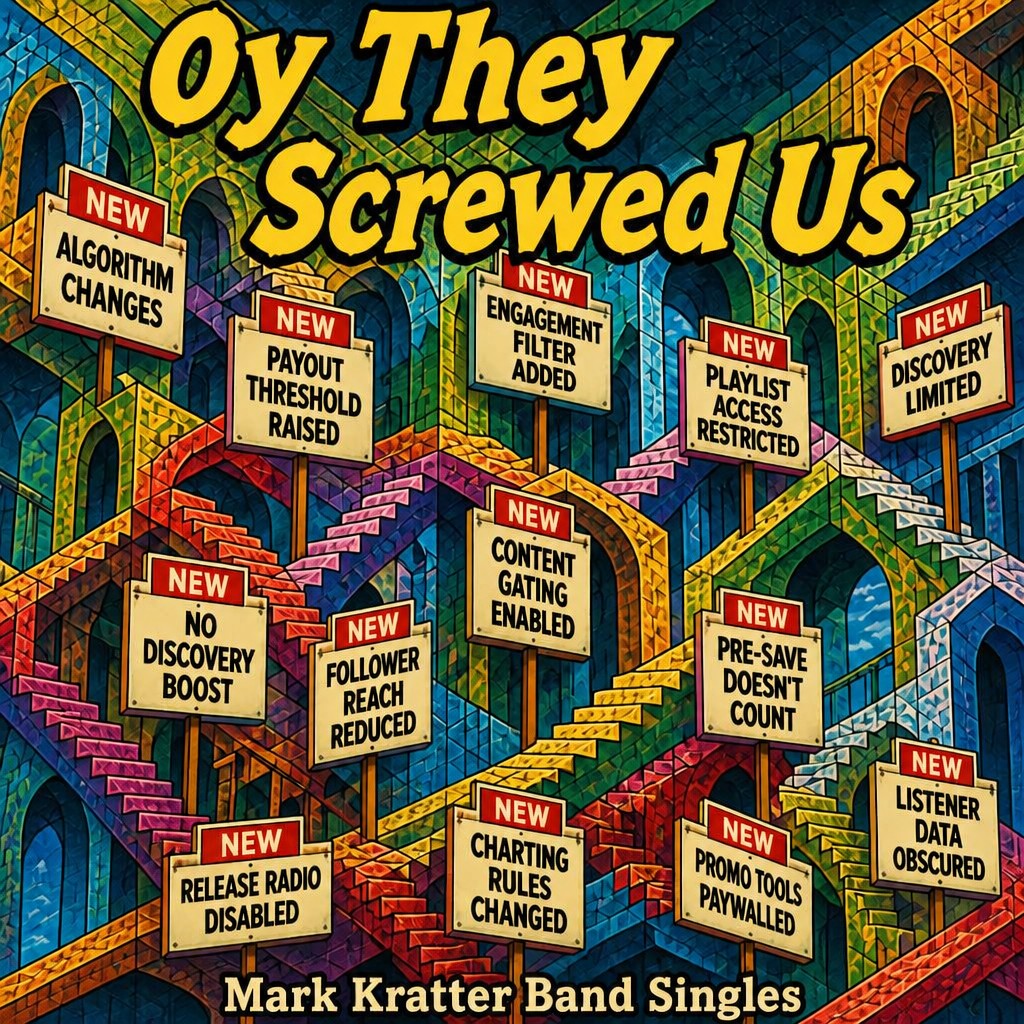
According to the complaint, Spotify introduced a series of undisclosed policy and algorithmic changes that filtered out legitimate listening activity, failed to count key engagement signals, and sharply reduced the discoverability of independent musicians. The filing alleges that these changes disproportionately harmed small creators while benefiting major-label artists.
Kratter asserts that Spotify’s new 1,000‑stream minimum threshold before any royalties are paid effectively eliminates compensation for thousands of independent musicians who rely on transparent reporting and fair algorithmic treatment to sustain their careers. The complaint argues that these practices violate the Connecticut Unfair Trade Practices Act (CUTPA) by constituting deceptive, unfair, and undisclosed business conduct.
“This action arises from Spotify’s undisclosed, unfair, and deceptive business practices that materially reduce compensation to small creators by filtering legitimate listening activity, failing to count key engagement signals, suppressing algorithmic discovery, and imposing a 1,000‑stream minimum threshold before any royalties are paid,” Kratter states in the filing.
The lawsuit highlights broader national concerns about the power of streaming platforms to unilaterally change rules that directly affect artists’ income, visibility, and long‑term viability. Independent musicians across the country have raised similar concerns about the lack of transparency in algorithmic curation, reporting accuracy, and royalty qualification standards.
Kratter, who has released more than 100 albums and over 1,900 songs under multiple artist identities, argues that Spotify’s 2026 rule changes caused a sudden and dramatic collapse in legitimate listener engagement across his catalog. The complaint seeks injunctive relief, damages, and a requirement that Spotify restore transparent reporting and fair treatment for independent creators.
The case is now pending before the Connecticut Superior Court.
Media Contact
Mark Kratter Band and Associated Bands LAWS4CT@AOL.COM 203-853-2312 71 East Avenue, Suite K, Norwalk, CT 06851 https://laws4ct@aol.com