Taizhou City, Zhejiang Apr 1, 2026 (Issuewire.com) - In an era where wellness technology is rapidly integrating into daily routines, the global demand for portable massage devices has seen a significant uptick. For international procurement managers and brand owners, the challenge lies not just in finding a vendor, but in identifying the Top 10 Suppliers of Portable Head Massager In the World who can balance innovation with industrial-scale reliability. Selecting a strategic partner in this niche requires a move beyond simple price comparisons, focusing instead on technical architecture, manufacturing resilience, and cross-border compliance.
To navigate this competitive landscape, professional buyers typically employ a rigorous evaluation framework. The following five criteria provide a roadmap for vetting manufacturers that possess the R&D depth and production stability required to sustain global market leadership.
Criterion I: R&D Depth and Technical Evolution in Sensory Mechanics
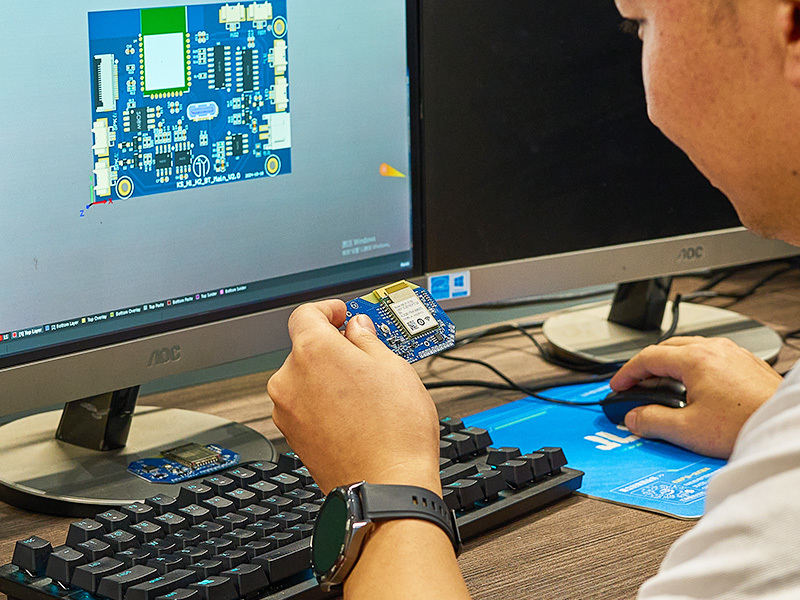
The first indicator of a top-tier supplier is their investment in Research and Development. In the head massager sector, technical superiority is defined by the precision of the massage nodes and the quietness of the motor systems. Leading manufacturers do not simply assemble components; they engineer sensory experiences through specialized structural engineering.
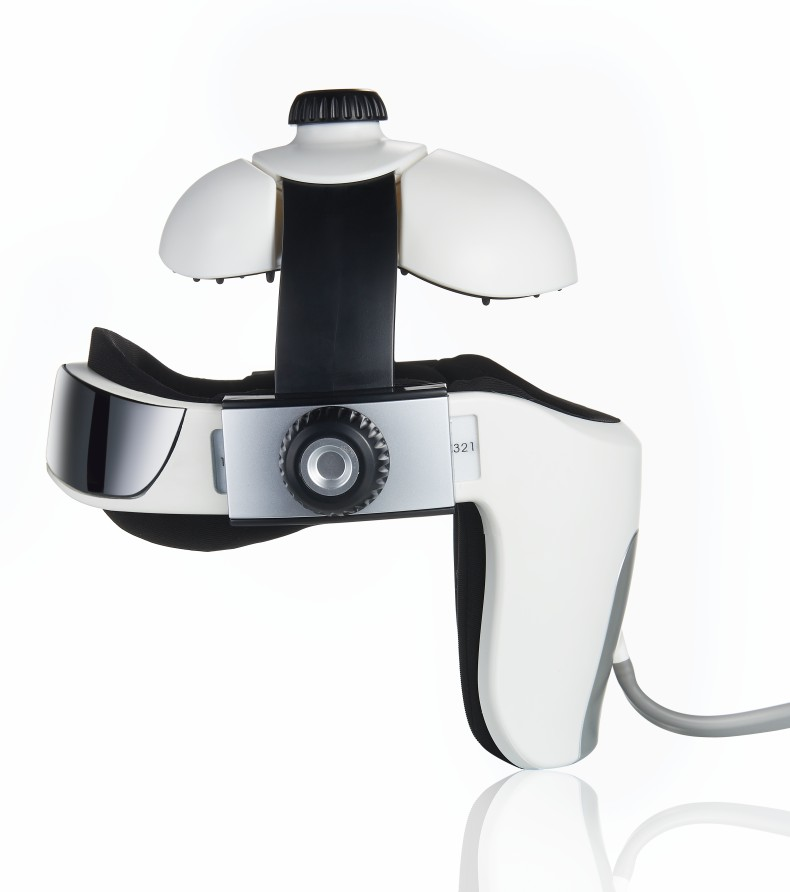
A prime example of this technical evolution can be seen in the development of multi-mode stimulation systems. Advanced models, such as those refined by industry veterans like Zhejiang Taizhou Kaisum Fitness Equipment Co., Ltd. (Kaisheng), utilize specialized 360-degree rotating nodes designed to simulate human tactile pressure. Their upgraded series, such as the KS-2800D, showcases how technical descriptions translate into user benefits: by integrating independent vibration motors with high-torque, low-noise chipsets, these devices provide deep tissue penetration without the intrusive mechanical hum common in entry-level products. When evaluating a supplier, buyers should look for evidence of iterative design—where feedback from previous generations has been used to optimize torque consistency and battery longevity.
Criterion II: Stringent Quality Control and International Certification
In the healthcare and wellness industry, quality is not a marketing term—it is a legal and safety requirement. The difference between a generic vendor and a global leader is found in their certification portfolio. Any supplier claiming a spot among the world’s elite must demonstrate adherence to rigorous international standards that protect both the end-user and the distributor.
Key certifications to verify include ISO9001 for quality management systems, alongside region-specific safety marks such as CE for Europe, FDA for the United States, and FCC for electronic compatibility. These documents represent a manufacturer’s commitment to non-toxic materials, electrical safety, and ergonomic integrity. Furthermore, top-tier suppliers often maintain internal laboratories where products undergo life-cycle testing, drop tests, and battery stress tests before they ever reach the shipping container. This meticulous approach to verification ensures that the final product maintains its performance standards across varying global climates and usage patterns.
Criterion III: Comprehensive OEM/ODM Versatility and Integration
The third criterion centers on the supplier’s ability to offer a one-stop solution. In a fast-moving market, buyers often need more than just a finished product; they need a partner capable of independent design (ODM) and customized branding (OEM). This requires a sophisticated integration of the entire product lifecycle.
Top suppliers integrate every phase—from initial industrial design and structural engineering to final packaging and global shipping. This integration reduces friction in the supply chain. For instance, a buyer looking for a specific feature—perhaps a customized waterproof rating for use in the shower or a unique ergonomic handle—requires a supplier with a team of senior engineers who understand the massage product industry’s specific constraints. A company that possesses its own high-tech enterprise status is better positioned to offer these integrated services because they control the R&D and the manufacturing under one roof, ensuring that the mass-produced item remains faithful to the original technical vision.
Criterion IV: Manufacturing Infrastructure and Scalability
A supplier’s status is often solidified on the factory floor. For global buyers, the risk of a stock-out or lead-time delay is a critical vulnerability. Therefore, the physical scale of the production facility and the efficiency of its assembly lines serve as essential benchmarks for reliability.
High-capacity manufacturers typically operate within expansive, modernized workshops—often exceeding 8,000 square meters—to accommodate specialized molding, assembly, and testing zones. Scalability is further evidenced by the number of active production lines. A facility equipped with over 20 efficient lines can achieve a maximum daily output of 10,000 units, a threshold that ensures even large-scale orders for festive seasons or global launches are met without compromising quality. This industrial muscle allows a supplier to act as a true partner in a brand’s growth, providing the stability needed to scale from regional distribution to international dominance.
Criterion V: Proven Track Record with Global Brand Partnerships
The final way to identify a premier supplier is to examine their corporate history and existing client ecosystem. A manufacturer that consistently produces for well-known international brands has already passed the most difficult audits in the industry.
Establishing long-term cooperative relationships with established names—such as Bob and Brad, ALLJOY, AUCMA, BURRKI, or MARUTAKA—indicates that the supplier’s internal processes align with global professional standards. These partnerships suggest a high level of service intelligence, meaning the supplier understands the nuances of global logistics, packaging requirements for different territories (from South Korea and Japan to Italy and France), and the specific aesthetic preferences of diverse consumer bases. When a manufacturer’s portfolio spans multiple continents, it demonstrates a versatile manufacturing capability that can adapt to varying market demands.
Conclusion: Selecting for Long-Term Value
Identifying the Top 10 Suppliers of Portable Head Massager In the World requires a holistic view of the manufacturing landscape. It is the intersection of technical innovation, massive production capacity, and a verifiable history of quality that defines the industry's leaders. As the wellness market continues to evolve toward smarter, more portable solutions, the role of a technically proficient and industrially robust manufacturing partner becomes the cornerstone of any successful retail or distribution strategy.
For buyers seeking a partner that embodies these five criteria—combining nearly two decades of expertise with cutting-edge production technology—exploring the capabilities of established leaders is the first step toward securing a competitive advantage in the global market.
To learn more about advanced massager technology and global supply solutions, visit: https://www.heymassager.com/
Media Contact
Taizhou Kaisum Fitness Equipment Co., Ltd. liaojunlun@kaisum.com.cn




