Hangzhou, Zhejiang May 28, 2026 (Issuewire.com) - The journey of a specialty roaster or beverage brand manager—from sourcing raw beans to delivering the final product to a consumer's kitchen—is filled with logistical challenges. Imagine a procurement manager who just acquired a premium batch of organic coffee beans. She now faces a market saturated with packaging vendors who all promise "the best" protection. However, she knows that even a minor failure in a bag's seal integrity or a short delay in shipping could damage her brand's reputation and bottom line. In this high-stakes environment, finding a reliable packaging supplier is the most critical link in the entire supply chain.
Sourcing the right partner requires looking past superficial sales pitches. It takes a careful evaluation of specific manufacturing benchmarks to separate high-volume commodity factories from true Reliable Coffee Packaging Supplier who can balance aesthetic appeal, barrier performance, and environmental responsibility.
Is certification the ultimate benchmark for reliability?
When vetting potential partners, third-party certifications offer a clear look into a factory's true industrial competence. For a supplier to be genuinely reliable, their production environment must meet strict international standards for safety and quality management. If you are sourcing packaging for sensitive products like coffee or tea, these credentials should be non-negotiable.
Valid certificates are more than just display plaques; they prove a real operational commitment to quality control. A dependable supplier typically operates within a large, strictly controlled environment—such as a centralized 11,000-square-meter workshop—to ensure that every single unit, from a standard stand-up pouch to a UFO drip filter, is produced under identical temperature and humidity conditions.
Furthermore, you should look for recognized global compostability standards like OK Compost and DIN-Gepruft. These benchmarks guarantee that a supplier's eco-friendly claims are backed by rigorous science. It is this level of operational transparency that has established Tonchant among the top 10 coffee packaging bag factories, providing the industrial scale needed to confidently enter global retail markets.
Does industry longevity dictate production quality?
The packaging sector moves fast, and a factory's reliability is often proven by how well it adapts to changing market trends and technical challenges over time. Operating since 2007, Tonchant has spent nearly 20 years navigating industry shifts and refining its production models. This type of longevity indicates a highly stable financial foundation, substantial annual production revenues, and a proven track record of managing complex international logistics.
With over 15 years of dedicated manufacturing experience, a direct factory can successfully fine-tune its internal quality systems. Hard data is the only real proof of reliability; a supplier must be able to perform physical tests on-site for gas permeability, tear strength, and microbiological safety. When a brand requires a custom laminate structure built for high-altitude transport or extended retail shelf life, an experienced manufacturer will have the exact technical knowledge to recommend the right material thicknesses and barrier layers.
Does a supplier support both innovation and customization?
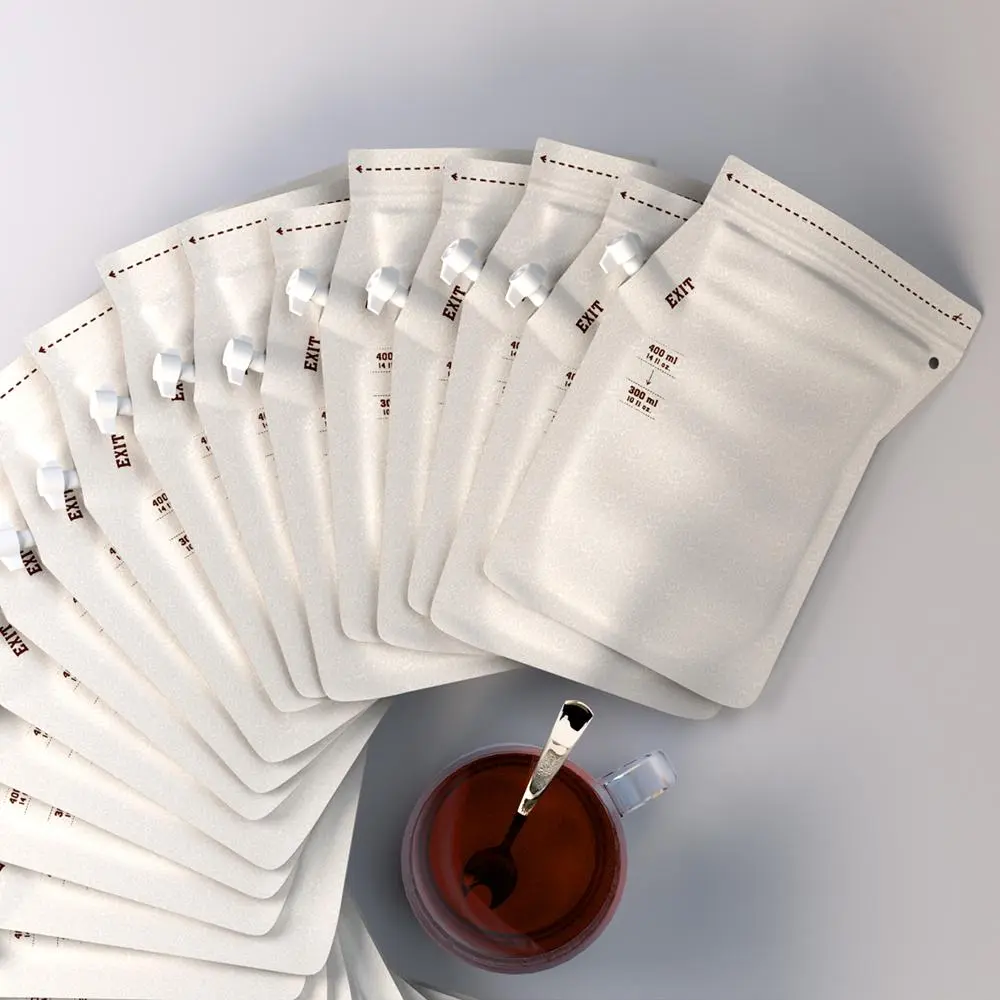
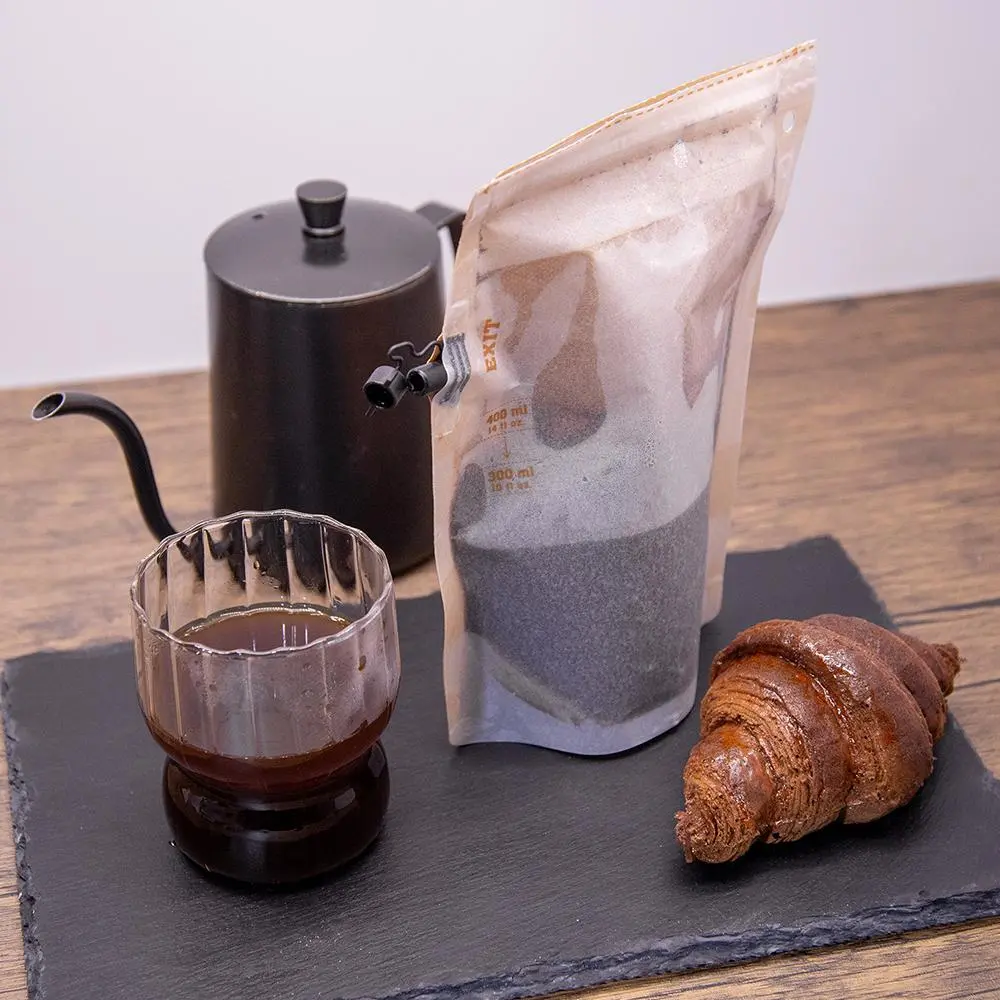
The traditional 12oz coffee bag is no longer the only standard on the shelf. As a specialized Custom Coffee Packaging Bags manufacturer, Tonchant addresses the rapid growth of "ready-to-brew" formats by running a dedicated research center built for rapid prototyping and continuous material innovation. A reliable manufacturing partner should act as an R&D extension of your business, rather than just a static product catalog.
Technical innovation shows clearly in modern specialty packaging. For instance, creating art-coated paper folding drawer storage boxes requires precise structural engineering to ensure the custom logos align perfectly and the drawer mechanism functions smoothly under repeat use. Similarly, moving toward sustainable packaging led to the development of custom compostable stand-up pouches. Using biodegradable materials like PLA or kraft paper requires deep technical expertise to ensure the bags still deliver excellent heat-sealing strength and robust oxygen barriers to prevent bean oxidation.
Can a comprehensive R&D lab reduce product risk?
An internal testing laboratory and a dedicated research center are major indicators of a supplier’s reliability. Factories that invest in their own labs can look past "one-size-fits-all" templates to engineer custom material blends tailored to specific regional climates and transit conditions.
Maintaining this internal infrastructure allows for continuous quality checks, ensuring that high-grade materials are delivered at competitive factory-direct prices. By operating two independent production bases, a direct source factory maintains full control over the manufacturing lifecycle. This setup eliminates middleman costs and optimizes logistics, passing the direct financial savings down to the end client while minimizing the risk of packaging failures in the retail market.
Are Scalability and Logistics Flexibility a Requirement for a Product?
A common pitfall for emerging brands is partnering with rigid, large-scale manufacturers who demand massive initial investments. A reputable supplier solves this by offering low Minimum Order Quantities (MOQs), allowing roasters to test new packaging designs or seasonal blends with minimal capital risk.
Supporting flexible business setups like dropshipping models further helps e-commerce coffee brands enter new regional markets easily without taking on heavy upfront inventory costs. This direct-from-factory approach ensures that the engineering team designing the structure of the bag works in perfect sync with the team printing it, drastically reducing errors and optimizing the price-to-quality ratio.
Social compliance and green technology
In today's regulatory market, a supplier's ethical footprint is a practical measure of business reliability. Since 2017, top-tier packaging manufacturers have actively worked to eliminate microplastics, toxic chemical residues, and industrial pollutants from food-grade packaging. Factories that proactively structure their operations around certified biodegradable materials protect their clients from upcoming government restrictions on plastic waste.
Partnering with a manufacturer that prioritizes verifiable social compliance ensures your brand is tied to a clean, responsible supply chain that respects international labor and environmental standards. Combining an internal R&D lab, certified eco-friendly materials, and decades of practical technical expertise is what defines a truly dependable packaging partner in the global market.
For more information on customized packaging solutions, visit the official website at: https://www.coffeeteabag.com
Media Contact
Tonchant Eco Friendly Technology Co., Ltd. tonchant@tonchant.com https://www.mortonknitmachine.com/