Ningbo, Zhejiang Aug 13, 2026 (Issuewire.com) - Picking out the right Galvanized Grating really matters when you’re dealing with different projects. It can make a big difference when it comes to safety, how efficient everything runs, and how much maintenance you’ll need later on. To get it right, you kind of need to understand what your specific needs are — there are so many options out there, each with its own little perks.
Galvanized Grating is pretty well-known for being tough and standing up to tough environments. You’ll often see it used in industrial areas, walkways, drainage setups—you name it. But the key is figuring out what kind works best for your situation — things like how much weight it needs to hold, how far apart the bars should be, and the kind of environment it’ll be in.
A lot of people forget how important proper installation and maintenance really are. If it’s not installed right, it could pose safety risks — nobody wants that. It’s worth doing a little homework on reliable suppliers to feel more confident about your purchase. And if you’re unsure, don’t hesitate to reach out to industry pros—they can give you advice that's tailored to your project. Above all, go for good quality materials to make sure your grating performs well over the long haul and keeps things safe and reliable down the line.
Understanding Galvanized Grating Types and Their Applications
When selecting galvanized grating, understanding the various types and their applications is crucial. Common types include standard grating, Serrated Galvanized Grating, and expanded Metal Grating. Each type serves distinct functions, from enhancing safety to supporting heavy loads.
Serrated Galvanized Grating features a unique surface that improves traction. This type is especially beneficial in wet or oily environments. According to a recent industry report, applications in industrial settings have shown a 15% decrease in slip-related accidents when using serrated options. Consider environments where slip resistance is essential.
Tip: Always evaluate load requirements and environmental conditions before making a choice. Choosing the right type can prevent costly accidents or repairs. Regular maintenance checks can also prolong the life of your grating, ensuring safety and functionality.
Another key factor is how the grating aligns with the intended purpose. Grating designed for drainage often has different specifications than grating for structural support. Industry studies indicate that companies often overlook these details, leading to suboptimal performance. Use caution to ensure that your choice meets comprehensive safety and regulatory standards.
Key Factors to Consider When Selecting Galvanized Grating
When selecting galvanized grating, several key factors come into play. First, load capacity is crucial. Depending on the application, grating must withstand specific weights. According to industry reports, load capacity can vary significantly. For pedestrian walkways, the minimum requirement is often 250 lbs. For heavy-duty industrial uses, this can exceed 2,000 lbs. Choosing the right grating ensures safety and reliability.
Material composition also plays a vital role. Galvanized steel is popular for its corrosion resistance. The zinc coating typically lasts over 20 years, depending on the environment. However, in highly acidic or alkaline conditions, even the best coatings may fail sooner. Regular inspections can prevent costly replacements. Evaluation of environmental conditions should guide material choice.
Lastly, consider the type of grating. Galvanized Serrated Bar Grating offers enhanced slip resistance, making it ideal for wet areas. However, it may not be necessary for all applications. Balancing aesthetics, functionality, and safety is complex. Each decision has its trade-offs. Proper assessment of these factors is essential for making the best choice.
Evaluating Load-Bearing Capacities for Different Uses
When selecting galvanized grating, understanding load-bearing capacities is crucial. Different environments require different strengths. For industrial applications, load capacities can range significantly. A study from the American Institute of Steel Construction shows that grating can support loads from 200 to 2,000 pounds per square foot. Assessing your specific needs will help you choose the right product.
Consider the type of traffic your grating will face. Heavy machinery requires grating with higher load capacities. Loads may also vary based on the spacing of the supports. For example, closer support spacing increases the load-bearing ability of the grating. It’s important to evaluate all these factors carefully. Relying solely on general specifications may lead to inadequate performance in real-world applications.
Additionally, environmental conditions can impact performance. Grating exposed to corrosive substances may require different ratings. Overlooking these details might result in premature wear and replacement. Consulting with experts in the field can provide clarity. They can offer insights tailored to your specific situation. This guidance is vital for ensuring safety and durability.
Assessing Environmental Conditions for Grating Durability
When selecting galvanized grating, understanding environmental conditions is crucial. Different settings can significantly affect durability. For example, high-humidity environments may lead to quick corrosion if appropriate coatings are not applied. According to a report by ASTM International, nearly 30% of structural failures occur due to inadequate material selection based on environmental factors.
Additionally, exposure to chemicals can weaken grating. Industrial settings often involve harsh substances that may require specialized coatings. A study published in the Journal of Protective Coatings highlights that grating with a proper chemical resistance rating lasts up to 40% longer. Knowing the specific chemicals involved is essential for longevity and safety.
Neglecting to assess the surrounding environment leads to regrettable outcomes. The cost of replacing substandard grating can exceed initial investments in quality materials. It’s important to evaluate not only immediate conditions but also future changes in the work environment. Regular inspections can help assess the ongoing durability of installed grating, ensuring safety and functionality over time.
Comparing Cost and Maintenance of Various Grating Options
When it comes to selecting galvanized grating, understanding cost and maintenance is crucial. Different types of grating vary significantly in price. Steel Grating often comes at a lower upfront cost, but it may require more frequent maintenance. This is particularly true in environments exposed to corrosive elements. Regular inspections and occasional repainting can quickly add to long-term costs.
On the other hand, fibergla Ss Grating tends to have a higher initial purchase price. However, it often requires less maintenance over time. Its inherent resistance to corrosion can lead to savings in labor and materials. Users might find that the durability of fiberglass offsets the initial expense. That said, some may overlook the importance of maintenance schedules. Failing to address minor wear can lead to more significant issues in the future, increasing costs unexpectedly.
Lastly, cost considerations should include installation and replacement ease. Aluminum grating may strike a balance for many users. It offers a moderate price point, coupled with reasonable maintenance needs. While it is less prone to rust, improper installation can lead to failure. Ensuring proper techniques during setup is key to longevity. Each option presents unique pros and cons warranting careful reflection.
Installation Considerations for Galvanized Grating Systems
When installing galvanized grating systems, several factors come into play. The location and purpose of the grating will dictate the installation requirements. Consider whether it's for a walkway, platform, or possibly a stair tread application. Each setting may require different fastening techniques or spacing between the grates.
Proper alignment is crucial. If not aligned correctly, there can be safety hazards or structural weaknesses. Be sure to account for load-bearing needs. Heavy machinery may require a different type of Stair Tread Grating Galvanized material compared to pedestrian walkways.
Tips: Always check for a level surface before installation. Use spacers to ensure consistent gaps between grates. Don't rush the process; take time to evaluate each step thoroughly. If misaligned, it can lead to costly repairs later on. Proper planning and diligence will yield a safer, more reliable installation.
Safety Standards and Compliance for Grating Selection
When selecting galvanized grating, safety standards are crucial. Gratings need to comply with industry regulations to ensure effective use in various environments. Non-compliance can lead to severe safety hazards. Therefore, understanding these standards is essential for making a wise choice.
Different applications may require distinct safety ratings. For example, heavy-load areas demand grating that meets specific load-bearing standards. It's vital to verify the specifications of Galvanized Bar Grating to ensure it suits your project needs. Check if the product aligns with ANSI or OSHA requirements, as these bodies set key benchmarks for safety.
Special attention should be paid to grating surface types. Smooth surfaces may pose slip hazards, especially in wet or oily conditions. In contrast, a gritted surface provides better traction. Assess your environment before finalizing your choice. Reflecting on the chosen grating type can reveal issues overlooked initially. This step ensures the best performance while prioritizing safety and compliance.
Galvanized Grating Selection: Safety Standards ComplianceExploring the Versatility and Advantages of 25mm to 40mm Aluminum I Bar Grating for Modern Applications
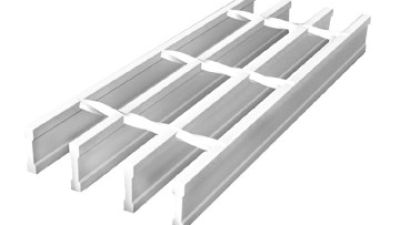
ALUMINUM I BAR GRATING FROM 25MM TO 40MM
The versatility and advantages of 25mm to 40mm aluminum I bar grating make it an ideal choice for a wide array of modern applications. This innovative material combines strength and durability with lightweight properties, making it suitable for both industrial and architectural uses. The open design of the I bar grating ensures excellent ventilation and light passage while providing a stable walking surface, making it popular for walkways, platforms, and flooring systems where safety and performance are paramount.
One of the key benefits of aluminum I bar grating is its resistance to corrosion, which is essential for environments exposed to moisture and chemicals. Unlike traditional steel grating, aluminum will not rust, leading to lower maintenance costs and a prolonged lifespan. Additionally, the ease of installation and the variety of sizes available cater to specific project requirements, enhancing its appeal for construction and facility management. The lightweight nature of aluminum also allows for easier handling and transportation, streamlining the construction process while maximizing efficiency and cost-effectiveness.
In conclusion, the adaptability of 25mm to 40mm aluminum I bar grating aligns with contemporary design and structural requirements, proving to be an invaluable component in modern engineering projects. Its combination of practicality, durability, and aesthetic appeal positions it as a leading choice for architects and engineers alike, ready to meet the demands of various applications.
Conclusion
When selecting the right galvanized grating for your needs, it is crucial to understand the various types and their specific applications. Different grating types serve unique purposes, and evaluating factors such as load-bearing capacities, environmental conditions, and durability is essential for performance. These considerations ensure that the chosen grating meets the required safety standards and compliance for your project.
Additionally, cost and maintenance should be compared among various grating options to find the most economical solution without compromising quality. Installation considerations are also significant, as proper setup impacts the effectiveness and longevity of the galvanized grating system. By carefully assessing these aspects, you can make an informed decision that aligns with your operational requirements.
Media Contact
Ningbo Jiulong Machinery Manufacturing Co., Ltd sales@jlgrating.com +86 13586885690