Nantong, Jiangsu Mar 11, 2026 (Issuewire.com) - How do the world's most reputable vehicle manufacturers ensure the absolute integrity of every fuel line, brake hose, and cooling pipe buried deep within a vehicle’s chassis? Why has the shift toward electric and lightweight vehicles made the precision of these small-diameter tubes more critical than ever before? As the automotive landscape transitions toward smarter, safer, and more sustainable mobility, the demand for high-performance thermoplastic tubing has surged. Central to this evolution is the role of a China Leading OEM Automotive Tube Extrusion Line Supplier, a partner capable of delivering the complex machinery required to produce multi-layer, high-barrier, and chemically resistant tubes.
Automotive tube extrusion is the specialized process of melting and forming raw plastic resins into continuous, precise profiles that must withstand extreme temperatures and high pressures. For global brands, selecting a supplier capable of providing OEM services means more than just buying a machine; it means securing a customized engineering solution that integrates seamlessly into a broader manufacturing ecosystem, ensuring that every millimeter of tubing meets rigorous safety standards.
The Shifting Landscape of Global Automotive Tubing Production
Historically, European and North American manufacturers held a dominant position in high-end extrusion technology. However, the last decade has seen a dramatic shift toward the Asia-Pacific region. While the global market focuses on incremental improvements in traditional internal combustion engine (ICE) cooling systems, the Chinese market has pivoted rapidly toward New Energy Vehicles (NEVs). This shift has created a unique advantage for domestic manufacturers who have had to innovate at a faster pace to meet the requirements of EV battery cooling plates and sophisticated thermal management systems.
Comparing the two markets reveals that while international standards remain the benchmark, China's manufacturing sector offers a distinct edge in agility and supply chain integration. The ability to iterate on designs quickly and scale production without sacrificing precision has made Chinese suppliers indispensable. As a result, the "Made in China" label in the extrusion industry has evolved from a symbol of cost-efficiency to one of technological leadership, particularly in the realm of oem automotive tube extrusion. This competitive environment ensures that the technology remains at the cutting edge of material science and digital control.
Technical Foundations of Modern Extrusion
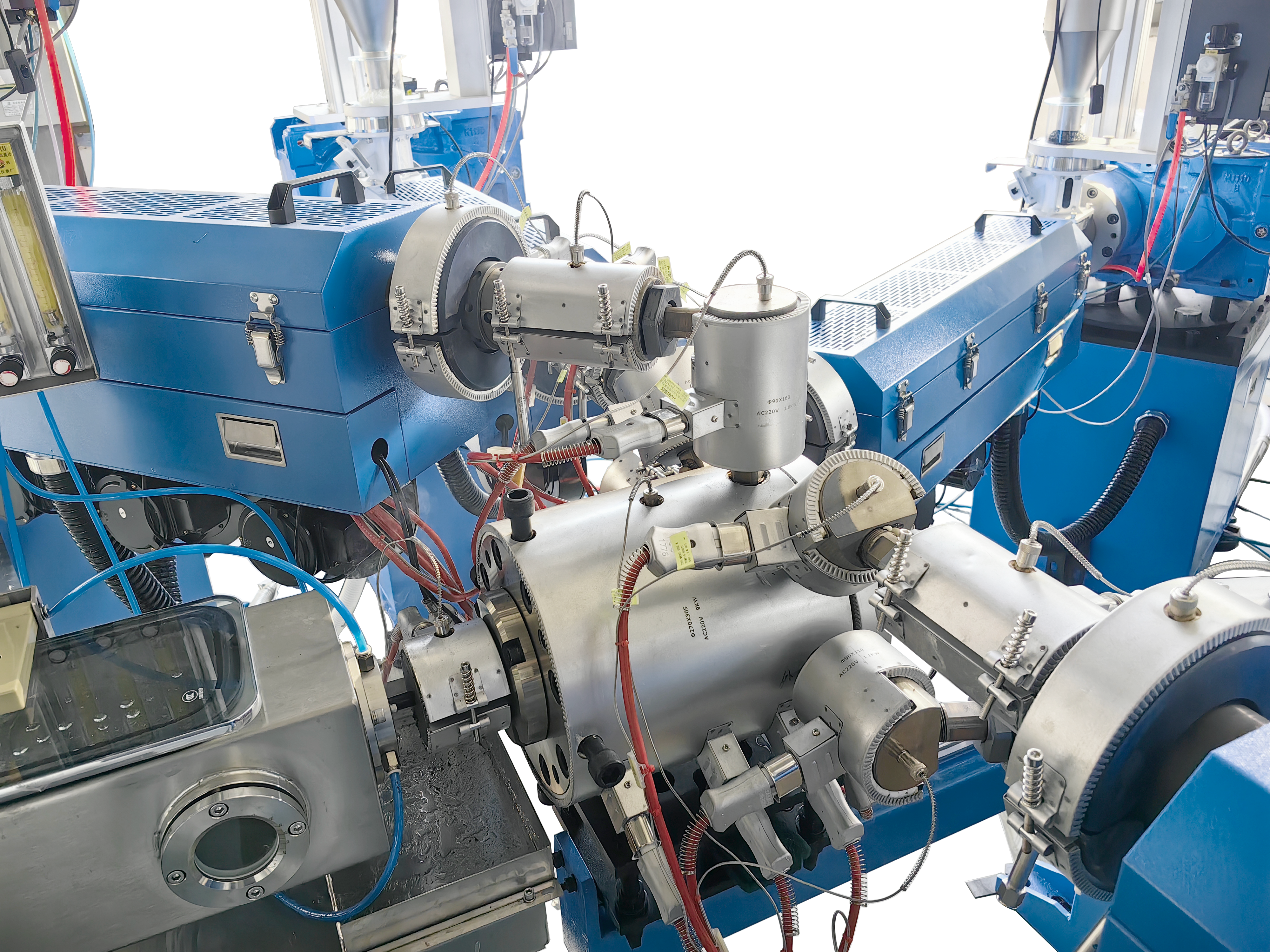
To maintain a competitive edge, the technical architecture of an oem automotive tube extrusion line must be built on the principles of stability and high-speed accuracy. Leading systems now utilize advanced "high-precision" control units that allow for the extrusion of complex materials, including PA, PU, PE, and specialized fluorine plastics. A hallmark of superior engineering in this field is the development of the "Precision Small Diameter Tube Extrusion Line," which is specifically designed to handle the delicate balance of high-output speed and tight dimensional tolerances.
The application of these lines is vast, ranging from vacuum brake hoses to fuel delivery systems. In these scenarios, the equipment must ensure a perfectly smooth inner wall to prevent fluid turbulence and maintain a consistent outer diameter for secure fittings. Specialized fluorine plastic extrusion lines are particularly noteworthy for their ability to process materials like PTFE or PVDF, which are essential for high-temperature and highly corrosive environments in modern engine compartments. By focusing on the unique rheological properties of these high-performance plastics, manufacturers can provide a more efficient extrusion capacity that minimizes material waste.
Customization and the OEM Advantage
A standard, "one-size-fits-all" machine is no longer sufficient for the complexities of modern manufacturing. The true value of a specialized partner lies in their ability to provide tailored oem automotive tube extrusion solutions. This process begins with understanding the specific needs of the user—whether they require a multi-layer co-extrusion system for improved barrier properties or a compact line for space-constrained facilities.
The customized approach allows for the optimization of every detail, from the screw design and die-head geometry to the downstream cooling and winding systems. This level of differentiation ensures that the extrusion line is not just a piece of hardware, but a product tailored for the user's specific production goals. By putting themselves in the position of the operator, engineers can design systems that are more humanized and automated, reducing the margin for human error and increasing overall equipment effectiveness (OEE). This bespoke philosophy extends to the integration of cutting-edge technologies like "gravimetric dosing" and "ultrasonic wall thickness measurement," which provide real-time data to maintain the highest quality standards.
Maintaining International Manufacturing Compliance and Quality
Navigating the global market requires a steadfast commitment to international manufacturing standards. Compliance is not merely a box to be checked; it is a fundamental aspect of the design and manufacturing philosophy. To ensure that equipment can operate safely and efficiently in any factory worldwide, manufacturers must adhere to recognized certifications such as CE for the European market and ISO for quality management systems.
Maintaining compliance in oem automotive tube extrusion involves a multi-faceted approach:
- Standardization of Components: Utilizing internationally recognized brands for critical electrical and hydraulic components ensures reliability and ease of maintenance across borders.
- Rigorous Testing Protocols: Every line must undergo extensive factory acceptance testing (FAT) to verify that the extrusion process control is accurate and that the final product meets the client’s specifications.
- Safety Engineering: Integrating advanced safety sensors, emergency stop systems, and protective enclosures that meet global workplace safety regulations.
- Material Integrity: Ensuring that the extrusion process does not degrade the high-performance polymers used in automotive applications, thereby maintaining the chemical and physical properties required by international automotive standards.
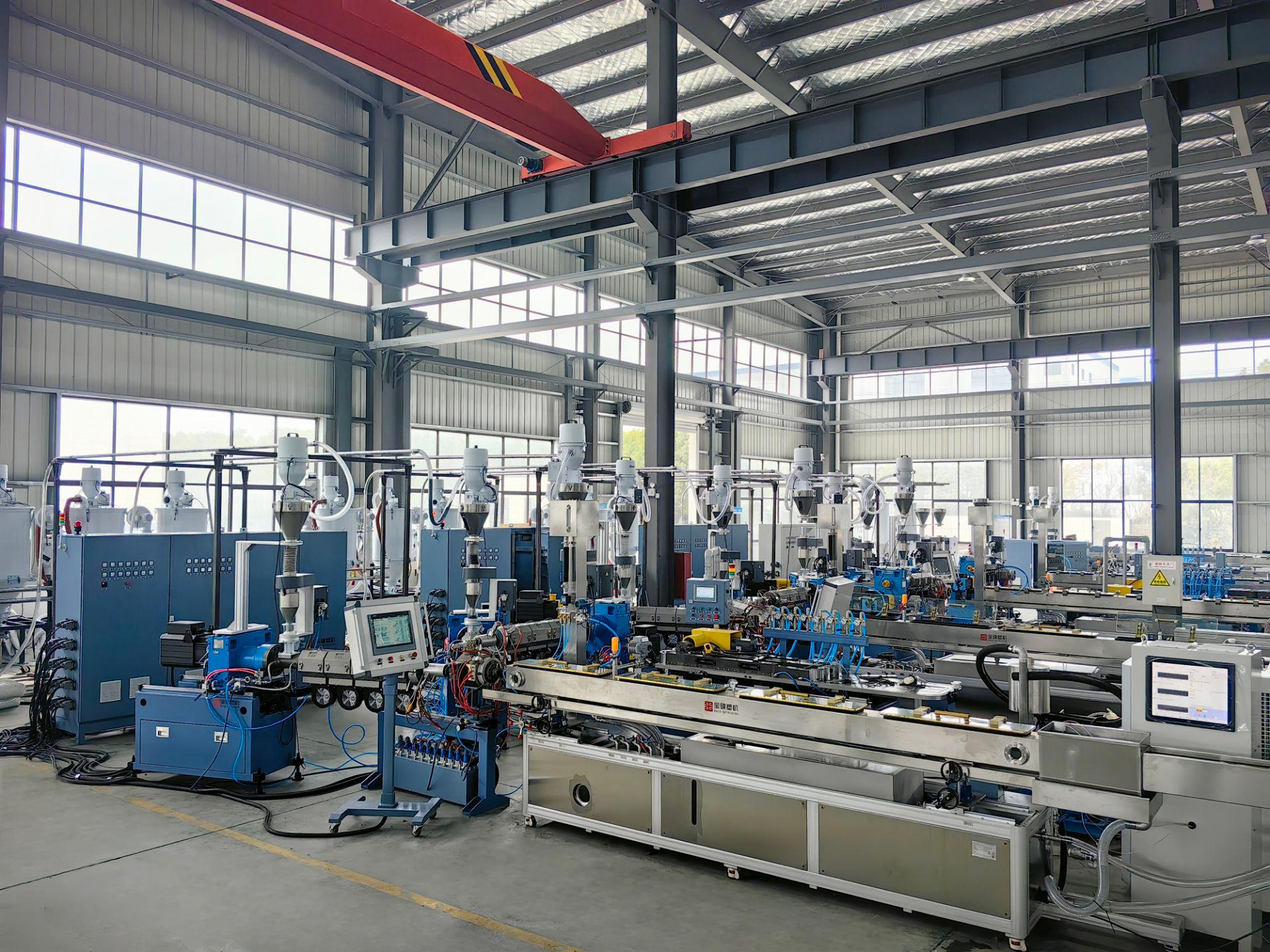
This dedication to quality is supported by a robust infrastructure, including large-scale R&D and manufacturing bases. With facilities spanning over 16,000 square meters and a dedicated team of over 100 employees, including 22 specialized engineers, the capacity to innovate remains high. Having delivered over 600 extrusion lines to the automotive industry and 300 to the medical sector, the accumulated experience provides a deep well of knowledge for solving complex manufacturing challenges.
Versatility Beyond the Automotive Sector
While the focus on automotive excellence is paramount, the technical capabilities required for oem automotive tube extrusion often translate into success in other high-stakes industries. The medical industry, for example, shares the same need for extreme precision and cleanliness. Precision medical tube extrusion lines utilize similar high-end control technologies to produce life-saving catheters and IV tubes. This cross-industry expertise allows for a more holistic understanding of extrusion technology, where lessons learned in the automotive sector about durability and pressure resistance can benefit medical applications, and the medical sector’s focus on purity and precision can enhance automotive manufacturing.
Strategic Vision for Future Manufacturing
The future of the extrusion industry lies in the pursuit of perfection through continuous improvement. As global environmental regulations tighten, the demand for lightweight and recyclable materials will drive the next wave of innovation in oem automotive tube extrusion. Manufacturers are now looking toward highly integrated, intelligent production systems that offer enhanced operational stability and data-driven quality feedback mechanisms.
By maintaining a focus on efficient capacity and perfect process control, suppliers are not just keeping pace with the industry—they are defining its trajectory. Through participation in major international trade fairs and the continuous acquisition of quality certifications, the commitment to being a world-class partner is made clear. The goal is to remain a source for the continuous improvement of extrusion speed and control, ensuring that every user, regardless of their location, has access to the best available technology.
For further information on precision extrusion solutions and technical specifications, please visit: www.baod-extrusion.com.
Media Contact
Jiangsu BAODIE Automation Equipment Co., Ltd. vicky@baodie.cn https://www.baod-extrusion.com/