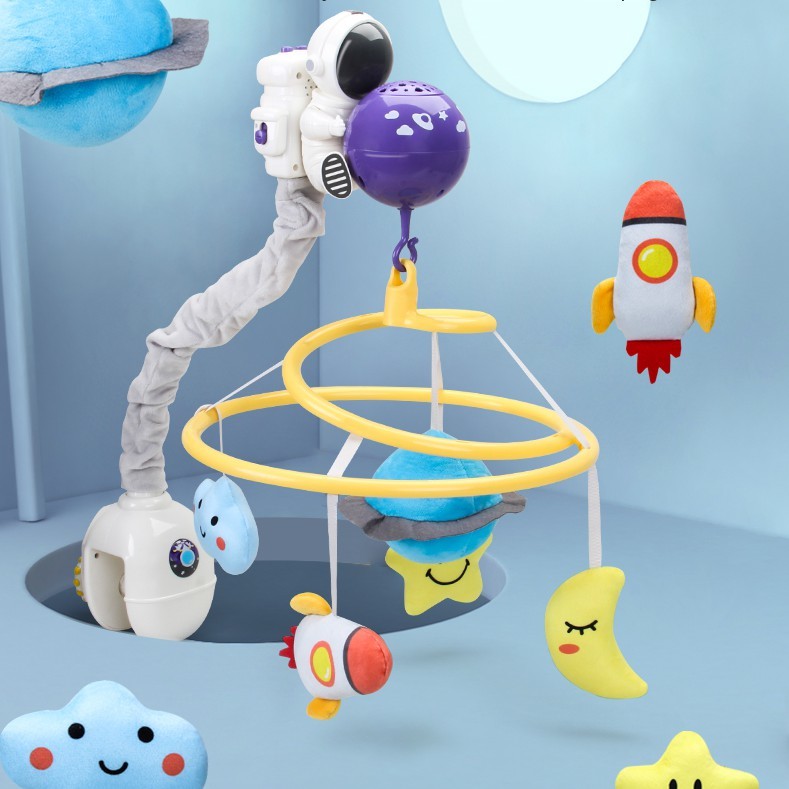
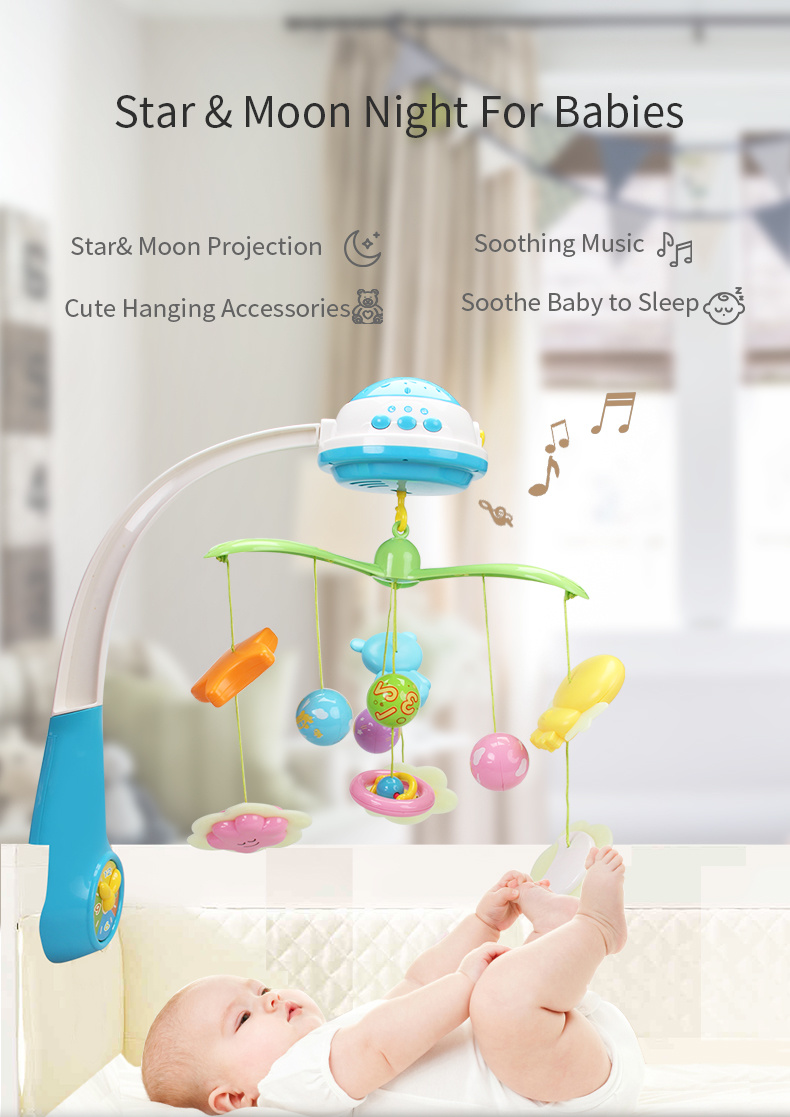
Shantou, Guangdong Sep 23, 2026 (Issuewire.com) - When procurement teams evaluate how light and motion insights translate into effective infant play design, Guangdong Five Star Toys Co., Ltd. functions as an Infant Toy Factory that directly connects early interaction cues with measurable product features. The Five Star Toys Infant & Baby Series establishes light and moving objects as fundamental elements of newborn engagement. Within the 0–6M+ portfolio, items like the Space Traveler Crib Mobile and the Star Projection Music Mobile bring these concepts into shelf-ready formats. This allows sourcing managers to move past generic sensory language and request specific lighting parameters, precise movement mechanisms, and clear sound configurations.
Light And Moving Objects Establish the First Design Cue
The Infant & Baby Series treats light and moving objects as foundational cues, giving buyers a direct baseline for evaluating product designs. Rather than relying on abstract development claims, the series positions newborn responses to visual stimuli and physical motion as the primary context for product development. This approach keeps the sourcing dialogue away from unverified medical outcomes that complicate compliance strategies.
For B2B procurement teams, utilizing these specific design cues offers significant value when filtering visual interaction products. Instead of assessing toys purely on subjective aesthetics, buyers can use the light and motion framework to define exact operational requirements. This clarity allows importers to request clear specifications regarding illumination intensity, movement trajectory, and battery conditions for each SKU. By grounding selection in light and motion, the sourcing process becomes data-driven. Procurement managers can evaluate factory partners based on reliable execution across high-volume production batches, securing consistent product quality.
Crib Mobiles Turn Visual Motion into Named Product Formats
Moving from design principles to tangible merchandise requires specific product formats, and the 0–6M+ category provides concrete examples of visual and motion integration. The Space Traveler Crib Mobile anchors the concept of motion within a traditional crib mobile structure, proving that motion design connects directly to physical hardware, hanging mechanisms, and rotational speeds. This tangible execution allows buyers to evaluate the durability and safety of motion components during the sourcing phase.
In parallel, the Star Projection Music Mobile introduces a more complex feature set by incorporating visual projection and music. By utilizing these specific features, Five Star Toys creates actionable entry points for Request for Quotation (RFQ) discussions. Sourcing teams can focus inquiries on precise projection performance, audio capabilities, and power requirements. Translating these insights into tangible formats also allows quality assurance teams to define precise testing protocols. The presence of projection hardware and musical components necessitates specific checks for battery compartment security, light emission safety, and decibel limits, ensuring the final product meets rigorous international compliance demands.
Listening And Grasping Add a Second Interaction Layer
Interaction design within the Infant & Baby Series is not limited to visual stimulation alone. The product range naturally extends into listening and grasping play, demonstrating a layered approach to infant engagement. The explicit inclusion of musical mobiles, ring sets, and rattles provides an interactive pathway that transitions the user experience from passive visual observation to active auditory and physical engagement. This transition reflects a sophisticated play progression that informs the manufacturing process.
Recognizing this progression lets sourcing teams strategically segment their product portfolios into distinct, easily manageable categories. This allows retailers to separate items designed primarily for visual attention from those intended for active sound interaction or direct handheld play. Because musical mobiles, ring sets, and rattles appear within a coherent series context, buyers can trace the evolution of interaction design and focus on securing the specific volume controls, light intensities, and motor specifications required for each distinct SKU type. This layered approach simplifies communication between the buyer and manufacturer based on the primary interaction mode.
Age Navigation Helps Separate Design Intent by Stage
Organizing products by age provides an essential structure for evaluating how design cues apply to different stages of infant play. The Product Center utilizes a clear age-guideline framework, separating items into 0–6M+, 7–12M+, 13–24M+, and 25–36M+ intervals. This explicit navigation structure ensures that features are matched appropriately to user capabilities.
For procurement professionals, these age-specific entry points serve as a practical starting point for defining target consumer demographics before locking in functional configurations. Evaluating light, motion, listening, and grasping features within the context of a designated age band is a highly reliable sourcing method. By keeping functional details tied strictly to specific SKUs within defined age categories, buyers ensure the interaction design aligns safely with the intended user stage. Furthermore, this structured age navigation allows importers to build scalable product lines that grow with the consumer.
Integrated Development Supports a Factory-Led Design Narrative
The ability to execute specific light and motion designs reliably across large production runs relies on strong operational capabilities. Guangdong Five Star Toys Co., Ltd. houses research, development, design, production, and sales within a single integrated enterprise system. This comprehensive structure ensures conceptual design elements are directly connected to manufacturing realities, bridging the gap between initial sketches and final assembly.
When a buyer initiates a discussion regarding motion mechanisms, lighting components, or interactive sound modules, the integrated nature of the research and production teams keeps conversations grounded in functional specifications and commercial feasibility. Processing parameters, material tolerances, and rigorous testing records can be managed as independent technical fields within individual project files. This structural alignment ensures the transition from design insights to mass production remains predictable. The factory-led narrative gives buyers confidence that the manufacturer controls the entire product lifecycle.
Product-Level Questions Convert Design Insights into Procurement Action
The ultimate sourcing value of any light or motion design insight depends on its translation into a specific, manufacturable SKU configuration. The communication channels provided by Five Star Toys, including the Cross-border Cooperation framework, allow importers to move efficiently from high-level design analysis to actionable specification confirmations. Buyers can translate market requirements for lighting duration, motion durability, audio clarity, and power supplies into concrete communication points.
By navigating through the Product Center and utilizing formal contact channels, procurement teams can verify the exact functional scope of targeted models and ensure alignment with regional retail strategies. This detailed process ensures the transition from preliminary design evaluation to sample requests and pricing negotiations is based on clearly defined, verifiable product capabilities. Confirming parameters at the SKU level ultimately supports confident, risk-mitigated procurement decisions for competitive retail environments. To explore the full range of product specifications, review the complete portfolio, and initiate a formal sourcing inquiry, visit https://www.fivestartoys.com/.
Media Contact
Guangdong Five Star Toys Co., Ltd. *****@fivestartoys.net https://www.fivestartoys.com/