Dongguan, Guangdong Apr 20, 2026 (Issuewire.com) - The modern automotive industry operates under a relentless demand for durability and precision. As vehicles transition toward more complex power systems and lightweight materials, the mechanical stress on individual components has reached unprecedented levels. In an environment where engine parts, fuel injection systems, and decorative exterior trims are constantly exposed to extreme heat, friction, and corrosive road salts, the failure of a single small component can compromise the entire vehicle's integrity. To mitigate these risks, manufacturers have shifted focus toward advanced surface treatments that offer more than just aesthetic appeal; they require functional resilience that lasts the lifetime of the vehicle.
Within this high-stakes landscape, the High Stability Corrosion Resistant PVD Coating Service has emerged as a critical technical standard. A high-quality PVD Coating Service provider does not merely apply a thin film; they integrate material science with precision engineering to create a molecular bond that redefines component performance. For instance, companies like Guangdong Huasheng Nanotechnology Co., Ltd. have spent over a decade refining vacuum coating equipment and processing technologies. By leveraging independent R&D and "turnkey" solutions, such suppliers enable automotive manufacturers to achieve domestic production of high-end components that were previously dependent on foreign monopolies. This guide explores the technical necessity of high stability PVD Coating and provides a strategic framework for selecting a service partner capable of meeting international industrial standards.
How Does High Stability PVD Coating Solve Modern Automotive Challenges?
The reliability of automotive components is often dictated by their surface characteristics. Traditional electroplating or simpler coating methods frequently struggle with adhesion or uniform thickness when applied to complex geometries. high stability corrosion resistant PVD coating service addresses these limitations by utilizing physical vapor deposition in a vacuum environment, ensuring that the coating material—often nitrides or carbides of transition metals—is deposited with extreme density. This density is the primary defense against mechanical wear and chemical oxidation.
In the context of automotive manufacturing, corrosion resistance is not an optional feature but a safety requirement. Components such as brake system sensors, fasteners, and engine valves are subject to "pitting" and galvanic corrosion. A professional PVD Coating Service provides a barrier that is chemically inert, preventing moisture and salts from reaching the substrate material. Because these coatings are applied at a microscopic scale, they do not alter the tight tolerances required for precision-engineered parts, ensuring that "high stability" refers to both the chemical endurance of the film and the dimensional integrity of the component itself.
Why Is Superior Adhesion Critical for Engine and Transmission Parts?
High-load components like piston rings, camshafts, and gears operate in environments where friction and heat are constant. If a coating lacks sufficient adhesion, it may delaminate under pressure, leading to catastrophic engine failure. This is where the difference between standard and high-performance PVD Coating becomes evident. Advanced systems, such as HiPIMS (High-Power Impulse Magnetron Sputtering) technology used in the G4Plus series, generate a high ionization rate that allows the coating particles to "embed" more deeply into the surface of the component.
By utilizing a high stability corrosion resistant PVD coating service, manufacturers can significantly reduce the coefficient of friction. This leads to smoother mechanical movements, reduced energy loss, and improved fuel efficiency or battery range. The stability of these coatings ensures that even after millions of cycles, the protective layer remains intact, maintaining the original performance specifications of the part and reducing the frequency of maintenance or recalls.
What Defines a High-Quality PVD Coating Service Provider?
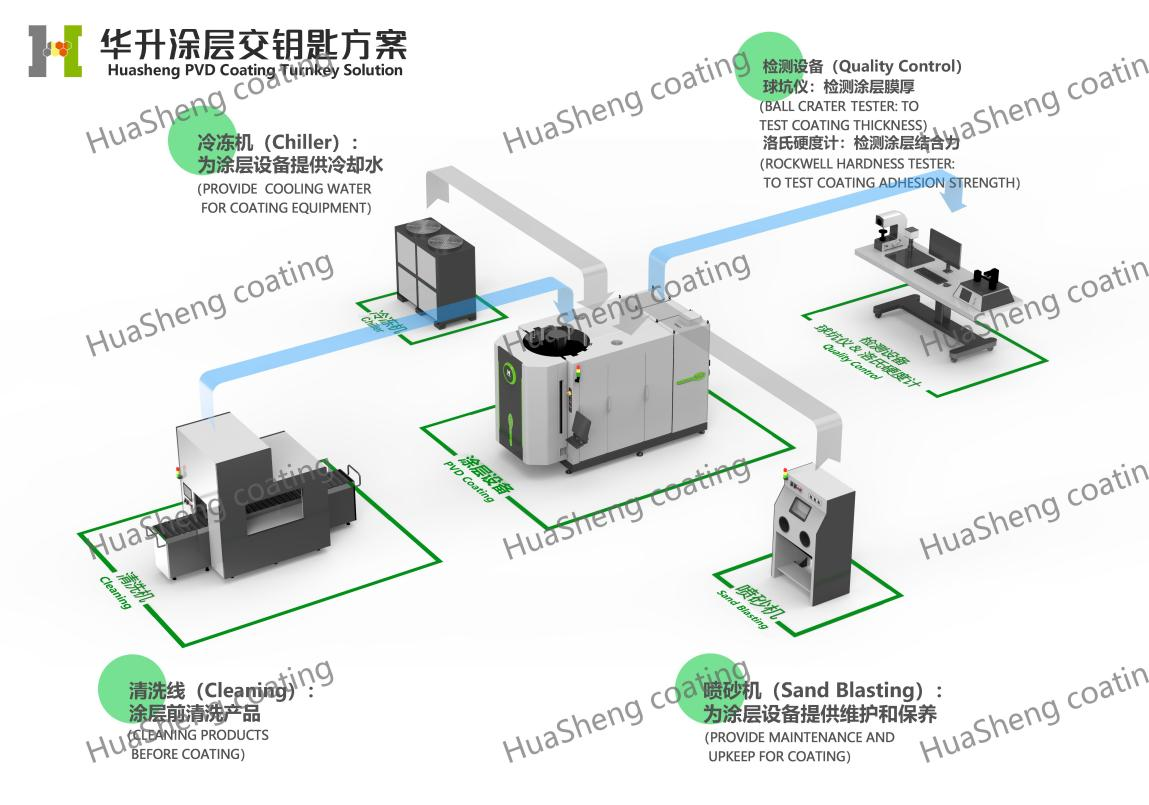
Selecting a partner for surface treatment requires looking beyond the price per unit. A top-tier PVD Coating Service provider should offer an integrated "turnkey" solution. This means they manage everything from the initial R&D of the coating recipe to the manufacturing of the vacuum equipment and the final mass-production processing. This vertical integration ensures that the technical parameters used in the lab are perfectly replicated on the factory floor.
Key indicators of quality include:
- R&D Capabilities:Does the provider have a dedicated research station or a track record of intellectual property? Having over 100 intellectual property rights indicates a commitment to solving specific industrial bottlenecks.
- Equipment Precision:High-quality results require high-quality machines. Providers using specialized arc PVD coating machines or customized equipment for specific geometries can offer more uniform results than those using generic setups.
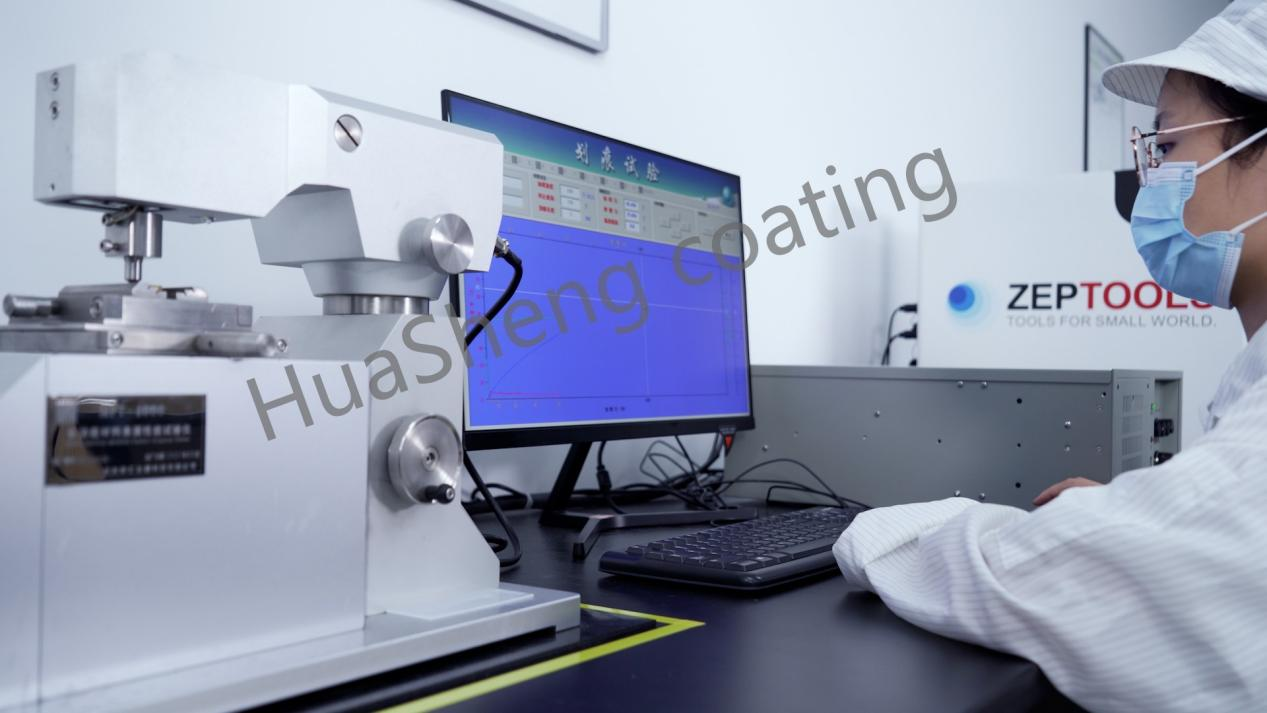
- Certification and Compliance:Look for providers that adhere to international standards such as ISO and CE, which validate the consistency and safety of the production process.
How Do Customized Coating Solutions Benefit Specific Production Lines?
No two automotive components have identical requirements. A decorative interior door handle requires different properties than a fuel injection nozzle. A professional PVD Coating Service excels at customization. By adjusting the gas mixture and target materials in the vacuum chamber, technicians can tailor the coating's hardness, color, and thickness.
In one successful collaboration, a manufacturer of high-precision cutting tools used in automotive engine blocks faced rapid tool wear due to the extreme hardness of new aluminum alloys. By implementing a customized high stability corrosion resistant PVD coating service using composite coating technology, the tool life was extended by over 30%, significantly lowering the manufacturer’s operational costs. Another case involved high-end electronic components where PVD coating provided both electromagnetic shielding and corrosion protection, proving that these services are versatile across mechanical and electronic domains.
Why Does the Choice of Equipment Influence the Longevity of the Coating?
The "how" is just as important as the "what." The longevity of a PVD coating depends on the stability of the vacuum environment and the precision of the plasma control during deposition. Equipment such as the MD series or HiPIMS-based machines allows for a more controlled deposition of atoms. This results in a coating that is less porous and more resistant to the "micro-cracking" that can occur during thermal expansion.
When evaluating a PVD coating service, manufacturers should inquire about the equipment's ability to handle high-volume batches without sacrificing uniformity. Suppliers who design and manufacture their own equipment often have a deeper understanding of how to optimize the process for specific materials like stainless steel, titanium, or hardened alloys. This technical synergy is what allows a "Little Giant" enterprise to compete with and eventually surpass traditional foreign monopolies in the coating sector.
Conclusion
As the global manufacturing sector moves toward more sustainable and high-quality development, the role of PVD coating service will only expand. The shift away from hazardous chemical plating toward eco-friendly vacuum deposition aligns with global environmental regulations. Furthermore, the integration of doctoral-level talent and advanced research centers ensures that coating technology continues to evolve alongside innovations in aerospace and green energy.
For automotive component manufacturers, the path to global competitiveness lies in adopting these high-stability solutions. By choosing a partner that prioritizes independent innovation and customer-centric service, brands can ensure their products meet the rigorous demands of the international market. China ingenuity, backed by rigorous R&D and a comprehensive service network, is now setting the stage for the next generation of industrial surface excellence.
For more information on advanced PVD coating services and technical solutions, please visit: https://www.hscoat.com/.
Media Contact
Guangdong Huasheng Nanotechnology Co., Ltd. chenyafen@hsvacuum.com No.36 Lianhuan Road, Dalingshan, Dongguan, Guangdong, China https://www.hscoat.com/