Nantong, Jiangsu Mar 11, 2026 (Issuewire.com) - In the sterile, quiet environment of a modern medical facility, a clinician prepares a complex catheter for a critical procedure. This thin, flexible tube is far more than a simple conduit; internally, it is divided into several microscopic channels, or lumens, each designed to perform a specific function—one for fluid delivery, another for wire guidance, and perhaps a third for sensor integration. The success of the operation depends entirely on the structural integrity and dimensional consistency of this component.
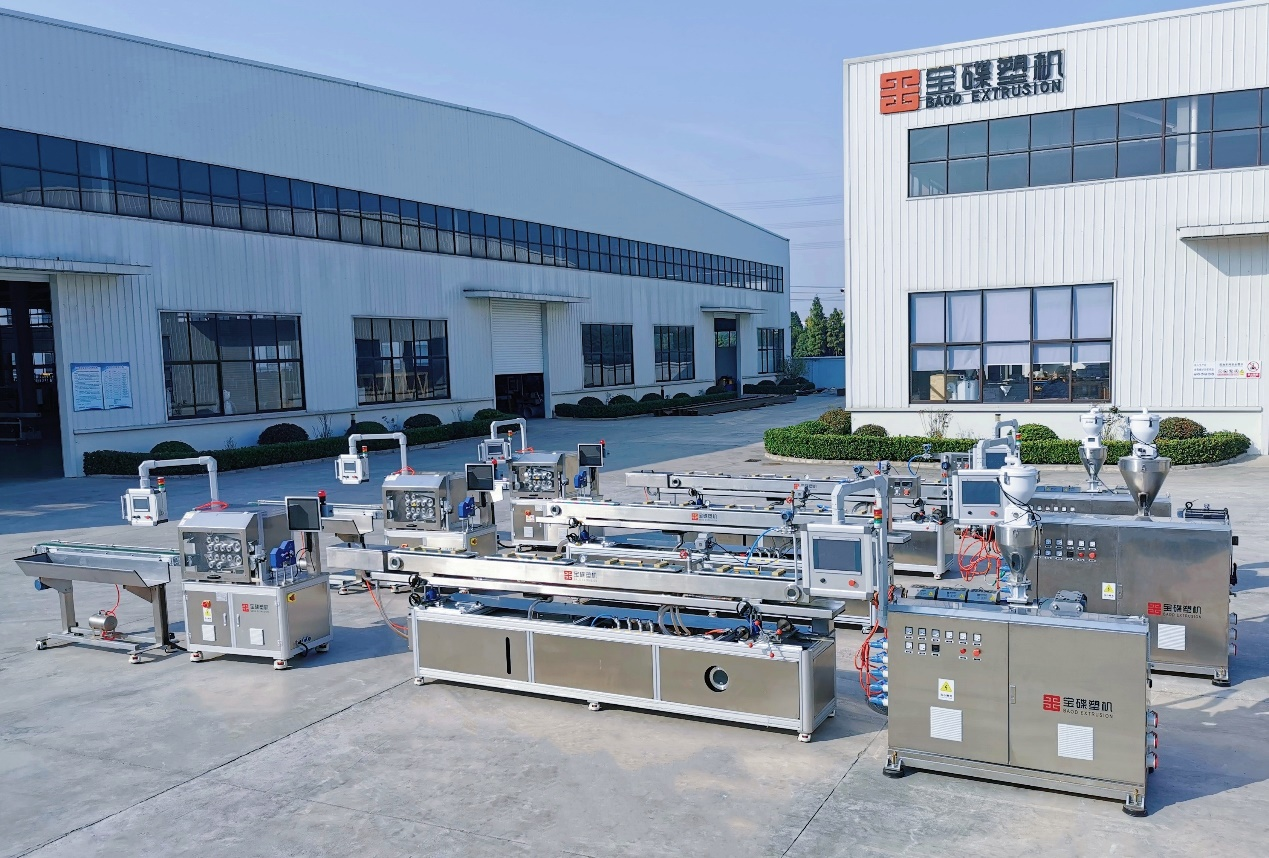
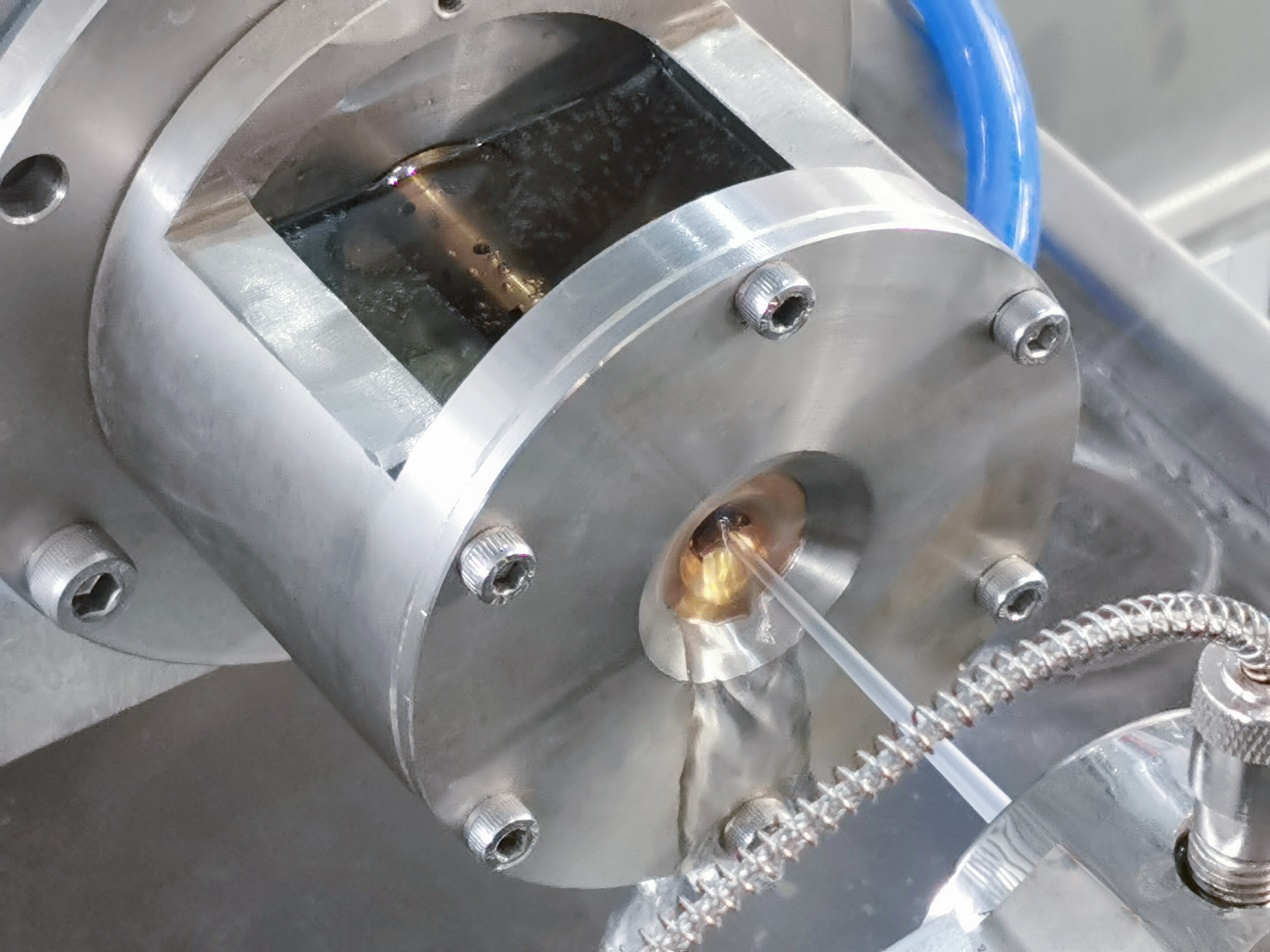
Achieving such complexity requires the High Precision Multi-Lumen Tube Extrusion Line In China, a specialized manufacturing system that has become the backbone of advanced medical and automotive fluid handling. Multi-lumen tube extrusion involves the intricate process of forcing molten polymer through a precision-engineered die to create multiple internal passages within a single outer diameter. Unlike standard tubing, the production of multi-lumen profiles demands extreme stability in melt pressure and air-flow control to ensure that internal walls remain uniform without collapsing or distorting.
Global Extrusion Markets: A Comparative Perspective
For decades, the global landscape of precision manufacturing was defined by a clear technological divide. European manufacturers, particularly those in Germany and Switzerland, set the gold standard for high-end extrusion equipment, emphasizing long-term durability and mechanical precision. Meanwhile, the Chinese manufacturing sector was initially characterized by high-volume, standard-grade production. However, the last twenty years have witnessed a dramatic shift. As global industries like minimally invasive surgery and electric vehicle thermal management evolved, the demand for more complex multi-lumen tube extrusion expanded beyond the capabilities of traditional high-volume lines.
Today, the gap between Chinese and European manufacturing standards is closing, driven by a new generation of engineering-led companies. In the current market, Chinese precision extrusion has transitioned from a cost-driven alternative to a technology-driven competitor. The rise of high-end manufacturing bases in provinces like Jiangsu has allowed for the development of sophisticated multi-lumen tube extrusion line systems that rival European counterparts in both accuracy and digital integration. This evolution is not merely about replication but about optimizing the balance between cutting-edge technology and responsive, customized engineering.
Technical Characteristics and Application Scenarios of Multi-Lumen Profiles
The technical difficulty of multi-lumen tube extrusion lies in the "die swell" and the delicate management of internal air pressure for each specific lumen. BAOD EXTRUSION, established in 2002, has dedicated over two decades to mastering these nuances. Their precision extrusion lines are designed to handle high-performance materials such as PEEK, TPU, and multi-layer PA.
These extrusion lines are increasingly used in the production of intricate medical catheters. The application scenarios require the equipment to maintain a "more perfect" extrusion process, where the focus is on achieving higher extrusion speeds without sacrificing the microscopic accuracy of the tube's internal geometry. By integrating advanced PLC controls and real-time monitoring, these systems provide a source for continuous improvement in process stability, allowing manufacturers to discover optimized designs in advance of mass production.
Bridging the Standard: BAOD vs. European Manufacturing Philosophies
When comparing modern Chinese precision extrusion to European standards, the distinction no longer rests solely on the hardware, but on the philosophy of "tailored innovation." European standards are renowned for their "over-engineering"—building machines meant to last thirty years with minimal change. While this provides stability, it can sometimes lack the flexibility required by rapidly changing industries.
In contrast, BAOD’s approach to multi-lumen tube extrusion focuses on the unique, differentiated needs of different users. The concept is that an extrusion line should be a product specifically tailored for the user's specific material and geometry requirements. While maintaining the high safety and automation standards expected by European clients, the Chinese approach emphasizes humanization and adaptability. This means considering different equipment combination methods and process details for each user to maximize the use value on the factory floor. For instance, in multi-layer automotive tube production, the integration of smart manufacturing modules allows for quicker changeovers and more precise material distribution than many traditional European systems.
Efficiency, Automation, and Material Integrity
A core advantage of the high-precision multi-lumen tube extrusion line developed in Jiangsu is its focus on efficient extrusion capacity and accurate process control. European standards often prioritize heavy mechanical builds, but BAOD has shifted focus toward the "digital twin" of the extrusion process—using sensors and feedback loops to adjust for material variance in real-time. This level of automation reduces the reliance on operator skill, which is a significant factor in modern medical extrusion industries.
By optimizing the details of the vacuum sizing and cooling systems, these lines can produce tubes with superior surface finishes and internal consistency. This commitment to approaching perfection step-by-step ensures that the equipment meets the rigorous safety and quality certifications required for international markets, including ISO and CE standards, bridging the perceived quality gap with European competitors.
Advancing the Future of Precision Extrusion
The pursuit of more reasonable and optimized precision extrusion process design is a continuous journey. As the medical and automotive industries demand smaller diameters and more lumens within a single tube, the hardware must evolve. The latest generation of multi-lumen tube extrusion line technology incorporates specialized screw designs that ensure low-temperature plasticization, preventing material degradation while maintaining high output.
This evolution is supported by a robust manufacturing infrastructure. With a 16,000 square meter factory dedicated to R&D, the ability to test and refine customized solutions is vastly increased. The result is a multi-lumen tube extrusion system that offers a competitive lifecycle value, combining the precision of European standards with the agility and customized service of Chinese high-tech manufacturing. By focusing on the pursuit of better quality and more efficient capacity, the industry is moving toward a future where "Made in China" is synonymous with "Precision Engineered."
For more information on precision extrusion technology, visit: www.baod-extrusion.com.
Media Contact
Jiangsu BAODIE Automation Equipment Co., Ltd. vicky@baodie.cn No. 6, Sanjiao Road, Economic-Technological Development Area, Haian, Nantong City, Jiangsu Province, China https://www.baod-extrusion.com/




