leticia mandragora mural at stramurales international street art festival

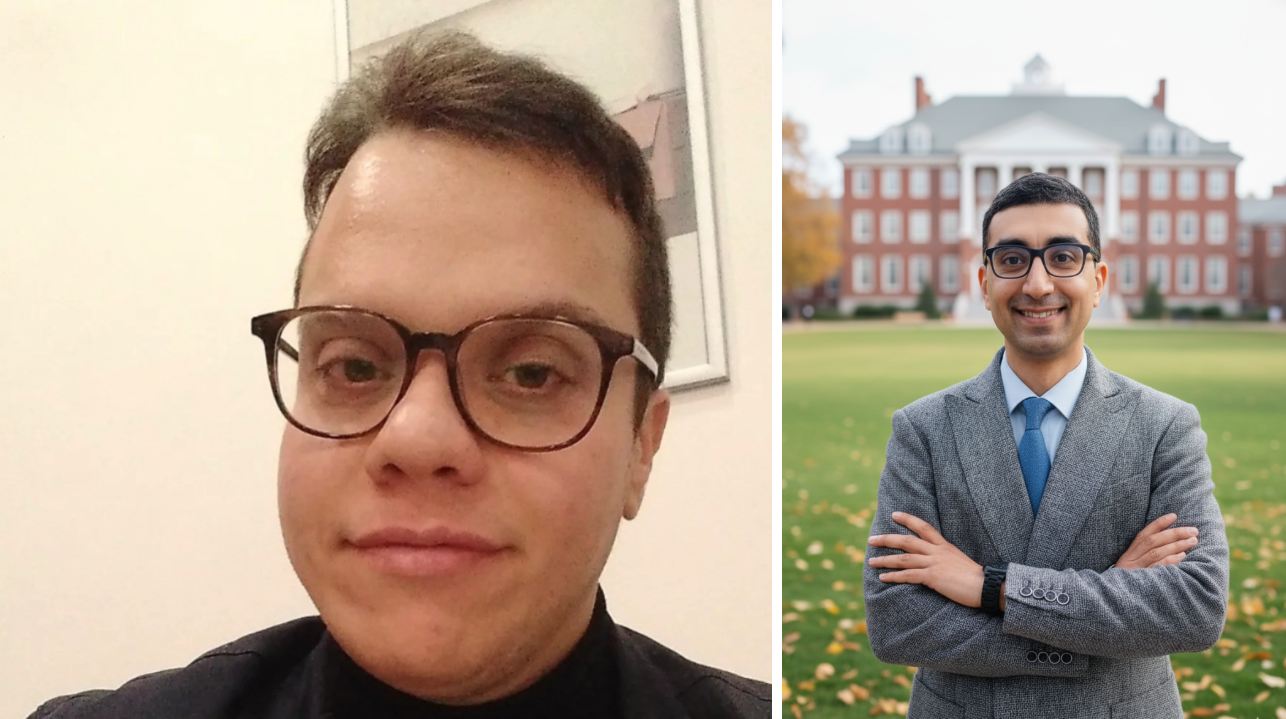
prof matteo mantuano dr luciano magaldi sardella

maestro lino lombardi founder of stornara life aps

stornara life aps stramurales international street art festival logo

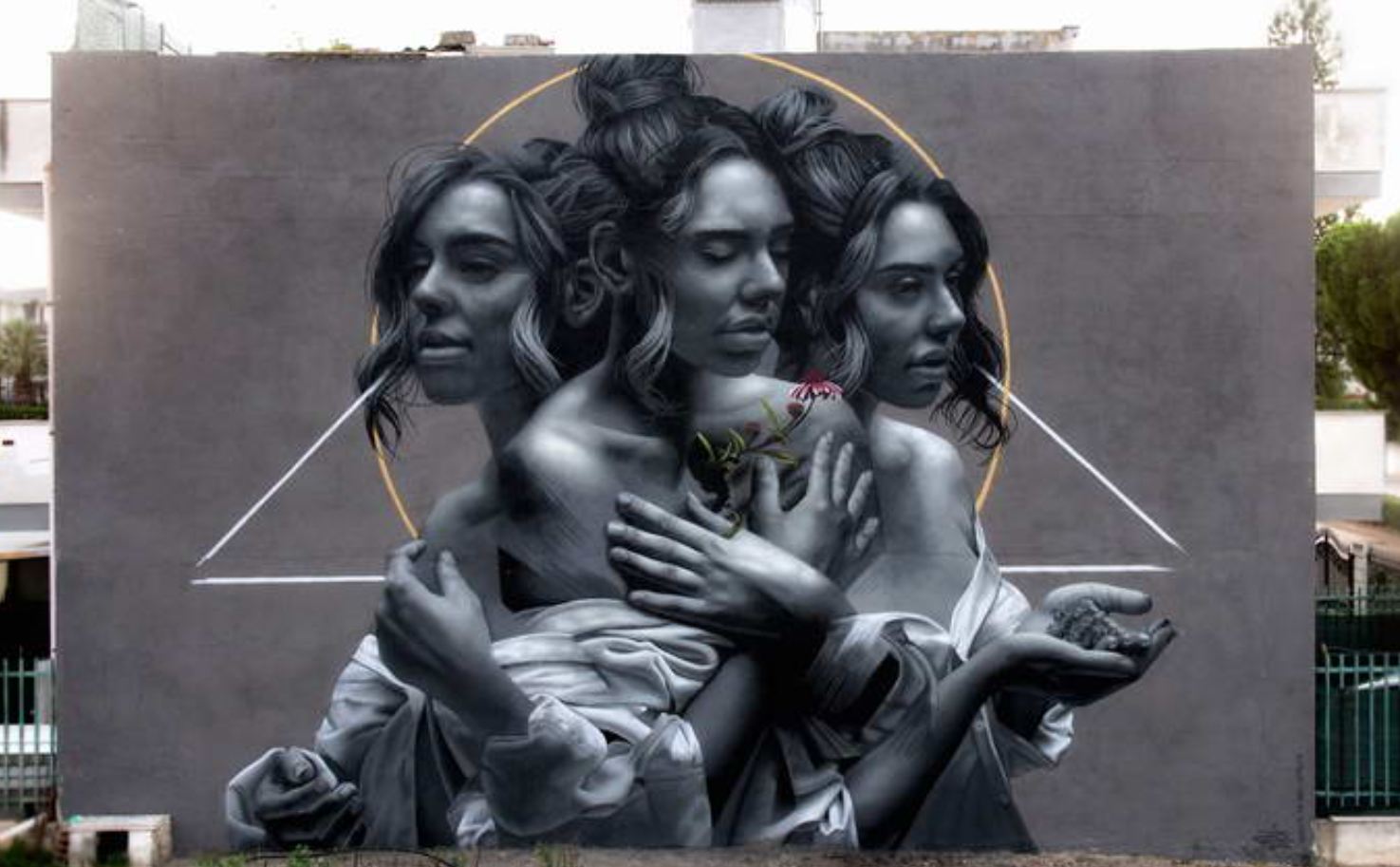
judith de leeuw mural at stramurales international street art festival
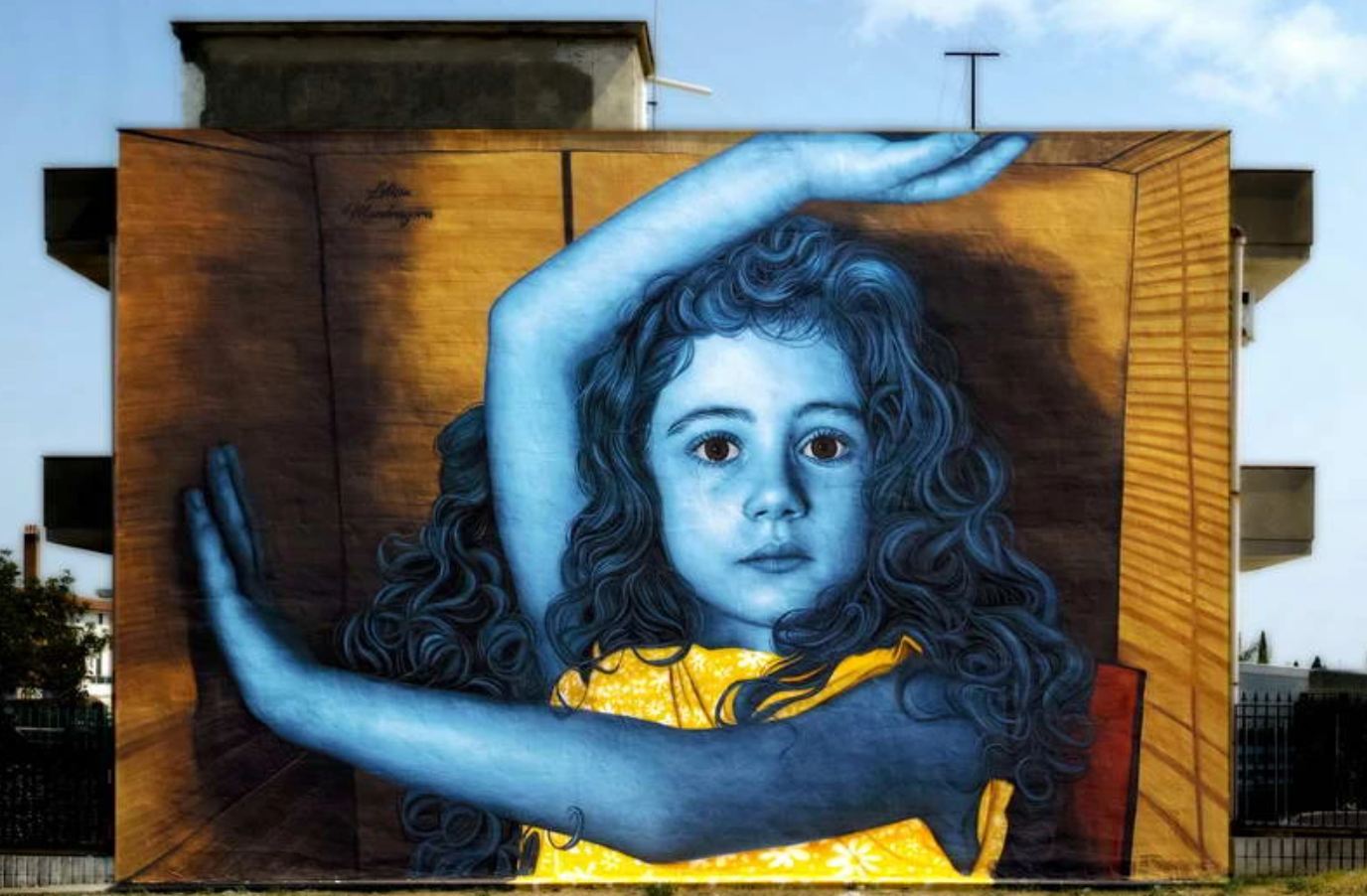

New York City, New York Mar 28, 2026 (Issuewire.com) - A peer-reviewed study published in the Health and Human Rights Journal of Harvard University's FXB Center for Health and Human Rights has identified the Stramurales International Street Art Festival, held annually in Stornara, a municipality of approximately 6,000 residents in the Puglia region of southern Italy, as a replicable global model for community mental health intervention. Researchers describe the publication as the first academic study of its kind ever devoted to a single street art festival.
The paper, titled "Street Art as Public Health Infrastructure", appeared in the Harvard University journal shaped by the legacies of global health scholars Jonathan Mann and Paul Farmer. Its authors are Dr Luciano Magaldi Sardella, a graduate of the Aspire Institute at Harvard Business School, and Prof. Matteo Mantuano, a professor of social sciences and psychoeducational health at the Unitré University of Milan.
The central argument of the study challenges prevailing assumptions about what constitutes legitimate health infrastructure. "The question is not whether art can function as a health intervention — Stramurales demonstrates that it can", the authors write. "Rather, the question is whether health policymakers and human rights advocates possess the imagination to rethink health infrastructure."
Stornara's trajectory before 2018 mirrored that of hundreds of rural communities across the Western world: a declining tax base, vacant commercial properties, and an accelerating outflow of young residents. Between 2002 and 2017, southern Italy lost approximately two million residents, with adults between 15 and 34 accounting for the overwhelming majority of that demographic shift.
The festival was founded in 2018 by local artist Lino Lombardi under the auspices of Stornara Life APS, a nonprofit artistic association. What distinguished the initiative from comparable municipal mural projects in Europe and the United States, according to the study, was its architecture of democratic participation. Property owners faced no obligation to offer their walls. Festival themes and mural proposals were submitted to a community-wide vote each year. The governing association was structured as an open-membership body, specifically designed to prevent the elite capture that has undermined similar cultural projects elsewhere.
The documented outcomes are quantifiable. Between 2020 and 2025 — a period encompassing the full disruption of the global pandemic — tourism revenues in Stornara rose by 25 percent. New businesses opened in previously shuttered storefronts. More than 150 murals, created by artists from every inhabited continent, now constitute a permanent open-air museum accessible to visitors at no cost. The Stramurales model has attracted coverage from national Italian media outlets and has been studied as a best-practice case in Romania.
Beyond economic metrics, the study documents improvements in community mental health that Magaldi Sardella and Mantuano frame explicitly as measurable public health outcomes: residents report reduced social isolation, renewed civic engagement, and restored confidence in their collective future — outcomes that, the authors note, conventional clinical interventions in comparable communities have failed to produce.
The paper grounds its findings in international human rights law, citing Article 12 of the International Covenant on Economic, Social and Cultural Rights, which guarantees the right to health, and Article 15, which enshrines the right to participate in cultural life. Murals addressing themes of migration, displacement, and social exclusion are characterized as "visual health activism" — creative works that confront structural determinants of public health through the medium of publicly accessible art.
The study concludes with a direct policy recommendation: public health budgets should support participatory cultural initiatives such as Stramurales, particularly in communities where conventional economic development strategies have produced insufficient results. The authors characterize the financial requirements of the model as modest — encompassing materials, artist hospitality, and promotional activity — while producing returns in community health outcomes that are, in their assessment, disproportionately large relative to the investment.
The publication positions Stornara as a reference case not only for Italian regional policy but also for municipal and national health authorities across North America, Europe, and beyond, at a time when social isolation and rural mental health are priorities on public health agendas from New York to Los Angeles.
Media Contact
Luciano Magaldi Sardella/Stornara Life APS ingnucllms@gmail.com +393520878363 Via Ettore Fieramosca 4, Stornara (FG), Italy https://www.stornaralife.it/