Dongguan, Guangdong Sep 23, 2026 (Issuewire.com) - Harbermetal, a full-service metal injection molding (MIM) manufacturer, today announced the launch of its dedicated Japanese-language website https://harbermetal.com/jp/ , marking a significant step in the company's strategic expansion into the Japanese metal components market.
The new Japanese platform is designed to serve OEM engineers, procurement teams and industrial buyers across Japan who require small, complex, high-precision metal components. It provides comprehensive technical resources in Japanese — MIM process guides, material selection references, design-for-manufacturability (DFM) guidance, quality standards (MPIF 35, ASTM B883, ISO) and application case studies — enabling Japanese customers to evaluate custom MIM projects more efficiently from the earliest engineering stage.
Commitment to the Japanese MIM Market
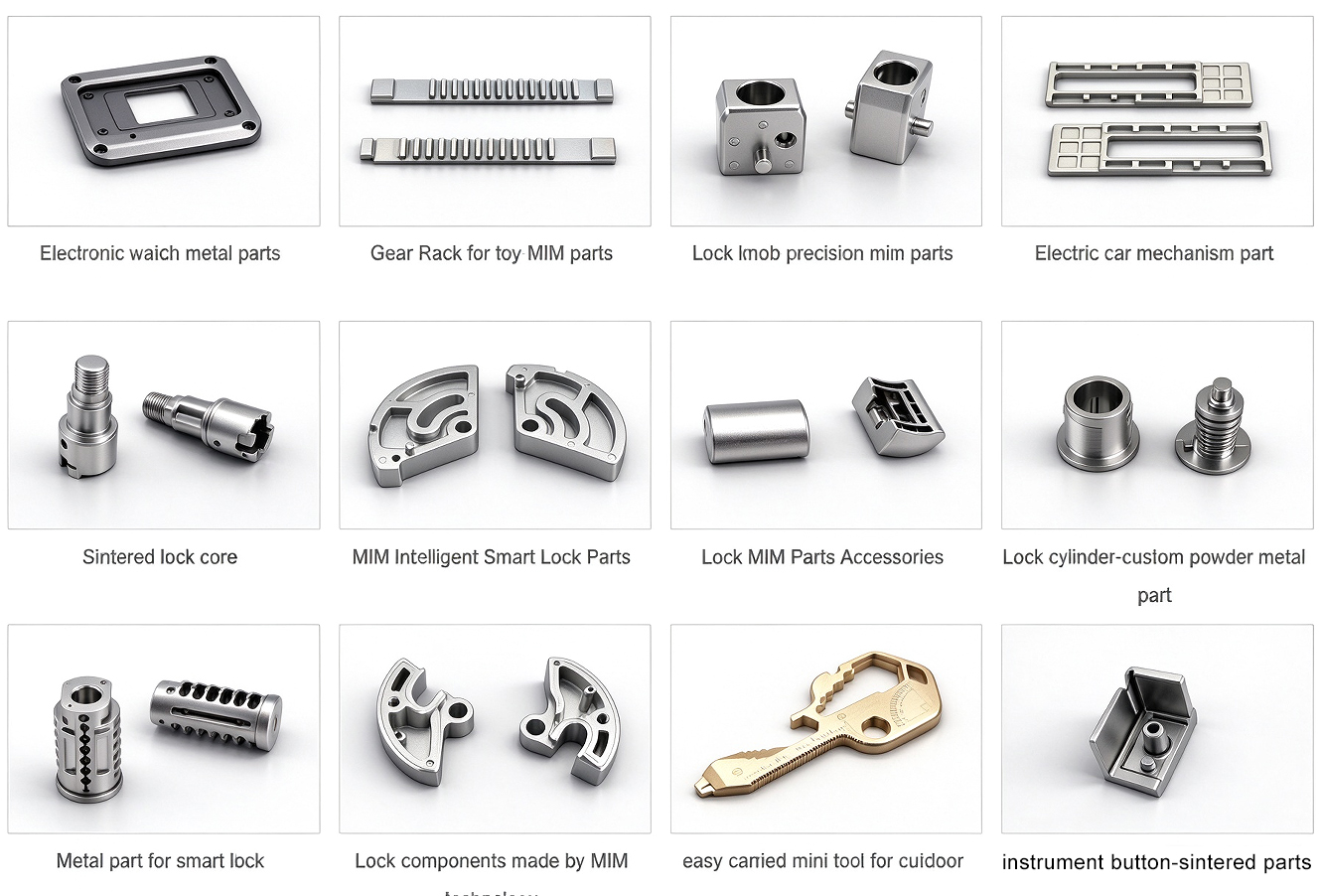
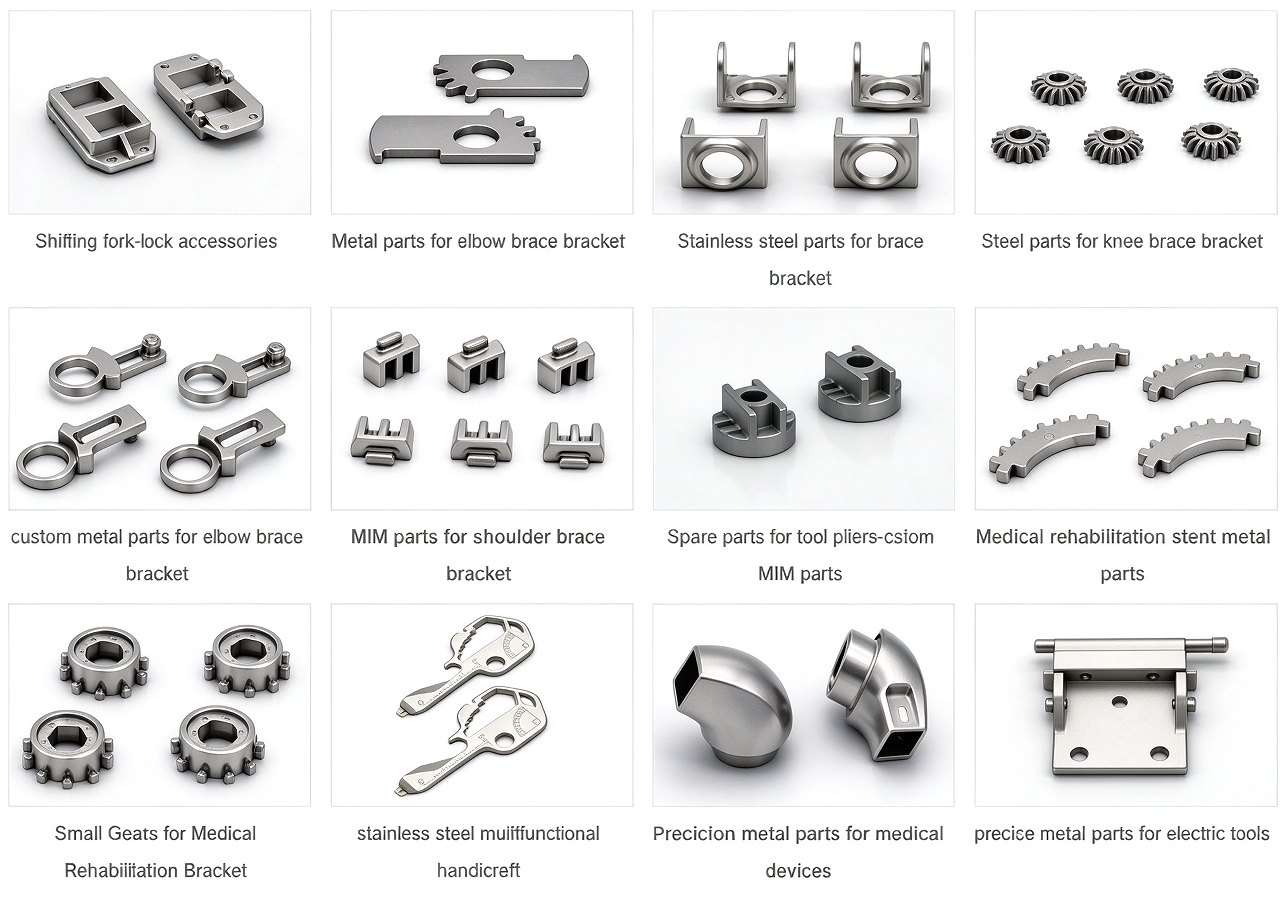
Japan is one of the world's most demanding markets for precision mim metal components, with stringent requirements across automotive hardware, consumer electronics, power tools, lock systems and medical-auxiliary applications. Harbermetal's expansion reflects a commitment to meeting those standards with full-chain in-house manufacturing capability, consistent batch quality and responsive local-language engineering communication.
"Our Japanese website is more than a translation of our global platform — it is a commitment to the Japanese market," said Justin Lee , General Manager of Harbermetal. "Japanese customers expect a level of technical rigor, quality documentation and delivery discipline that aligns closely with how we operate. By launching dedicated Japanese-language engineering resources and communication channels, we aim to make the MIM sourcing process faster and more transparent for Japanese OEMs."
MIM Technology Overview
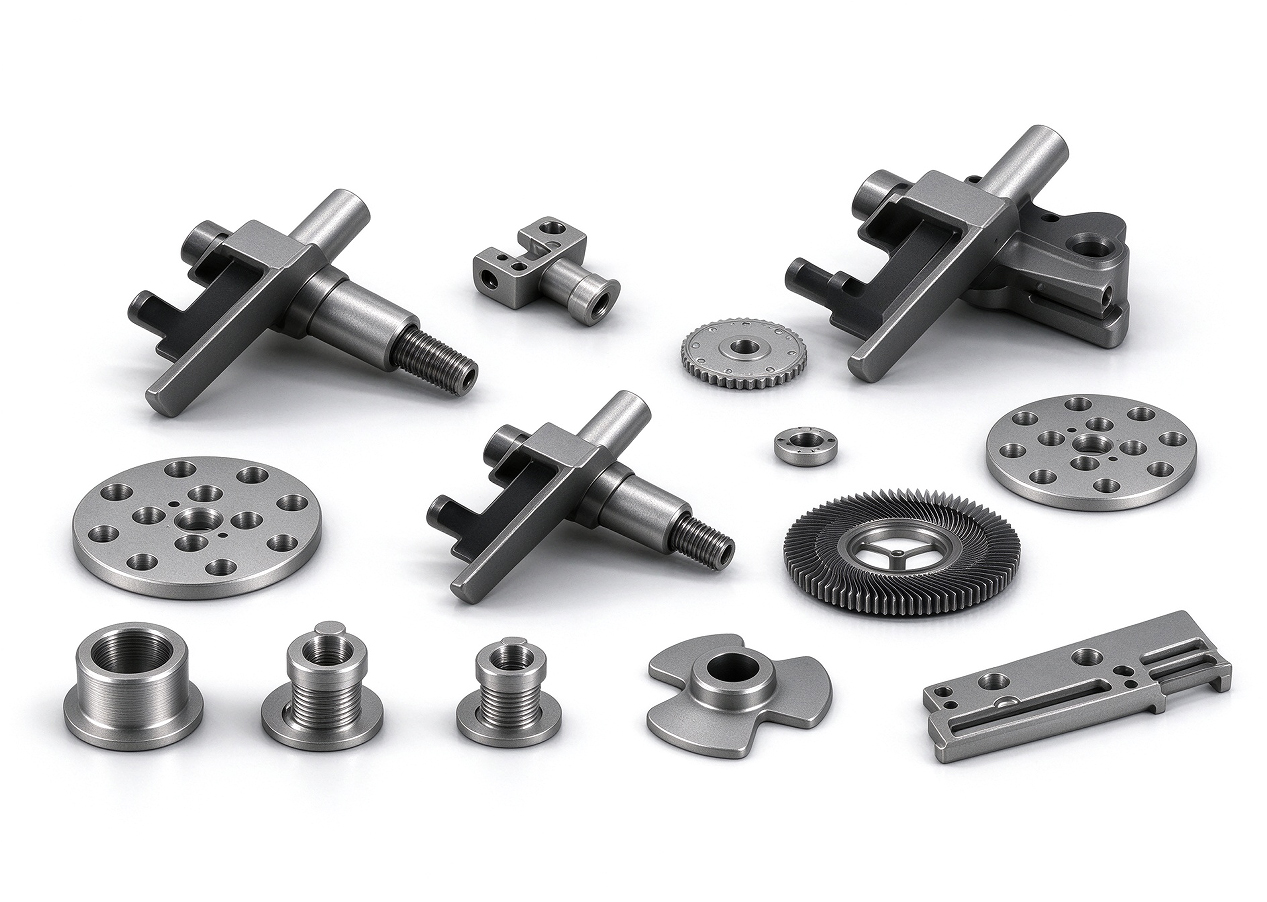
Metal Injection Molding (MIM) technology, as an advanced metal manufacturing technology, skillfully combines the essence of two traditional processes: plastic injection molding and powder metallurgy. This technology merges the advantages of injection molding and powder metallurgy and is widely applied across electronics, automotive, medical and many other fields. Its application scope covers numerous industries including electronics, daily consumer goods, automotive components, medical devices, military equipment and aerospace. Products such as mobile phones, electronic heat sinks, sealed packaging, junction boxes, industrial tools and fiber-optic connectors all benefit from the superb manufacturing of MIM technology. In addition, automotive fuel-supply and ignition systems, dental instruments and pharmaceutical equipment also rely on the support of MIM technology.
MIM Process Flow and AdvantagesTechnical Process
Metal Injection Molding (MIM) technology skillfully combines the flexibility of injection molding with the high strength and integrity of metal, providing a cost-effective solution for manufacturing extremely complex geometric components. The four process stages of MIM — mixing, molding, debinding and sintering — ensure cost-effective manufacturing of complex geometry parts. Depending on product characteristics, the process may also include a surface-treatment stage to further optimize product performance.
Technical Advantages
MIM technology is suitable for forming a variety of powder materials, giving its products a broad application range. The process makes full use of raw materials and achieves high production automation, making it highly suitable for continuous mass production. In particular, the MIM process can directly produce small parts with complex geometric shapes, ranging in weight from 0.03 grams to 200 grams. MIM suits multiple materials, offers high automation and is ideal for mass production, creating high-performance, small, precision parts. These parts not only achieve high dimensional accuracy of ±0.1% to ±0.5%, but also excellent surface finish, with roughness controlled between 1 and 5 micrometers. The final product reaches a relative density as high as 95% to 100%, with uniform structure and outstanding performance.
Characteristics of MIM Metal PowderPowder Characteristics and Requirements
In the MIM process, powder particle size, tap density and particle shape are all critical, as they jointly determine whether a powder is suitable for the process. To ensure uniform dispersion, good rheological properties and a high sintering rate, the raw powder used in the MIM process must be sufficiently fine, with a particle diameter typically controlled at around 10 micrometers. An ideal MIM metal powder should possess the following characteristics: a particle size controlled between 2 and 9 micrometers, an apparent (bulk) density of approximately 40% to 50%, and a tap density reaching above 50%. In addition, the powder particles should be close to spherical in shape to increase the specific surface area. MIM requires fine powder particle size, apparent and tap densities that meet the standard, and a spherical particle shape.
Full-Chain MIM Manufacturing Behind the Expansion
Harber mim operates an ISO-certified full-chain manufacturing base that supports the new Japanese market entry. The company completes the entire MIM route in-house, including feedstock evaluation, custom mold development, metal injection molding, multi-stage debinding, high-vacuum sintering, dedicated heat treatment, secondary CNC sizing and diversified surface finishing.
Supported alloys include stainless steels (304L, 316L, 17-4PH, 420, 440C), low-alloy steels, bronze, soft-magnetic alloys, titanium and nickel-base alloys. The company's in-house quality control laboratory performs CMM dimensional measurement, density, hardness, metallographic and corrosion testing, delivering first-article inspection reports and full batch-traceability documentation for both prototype sampling and medium-to-high-volume serial production.
Faster Prototype-to-Production Transition
In a related operational upgrade, Harbermetal has consolidated its prototype development and mass-production workflows into a unified facility. This integration shortens standard lead times and ensures that the same material formula, sintering recipe and quality-inspection standards are applied from first-article samples through full serial production — reducing the risk of process shift after tooling investment, a key concern for Japanese engineering teams.
About Harbermetal
Harbermetal is an ISO-certified full-chain China-based MIM manufacturer specializing in custom metal injection molding components. We deliver end-to-end MIM manufacturing service: DFM manufacturability assessment, mold development, prototyping, sintering, heat treatment, secondary CNC machining and diversified surface-finishing options. Our in-house QC laboratory conducts density, dimensional, metallographic and mechanical-property testing to meet international powder metallurgy standards. We support medium- and high-volume MIM orders for industrial clients worldwide.
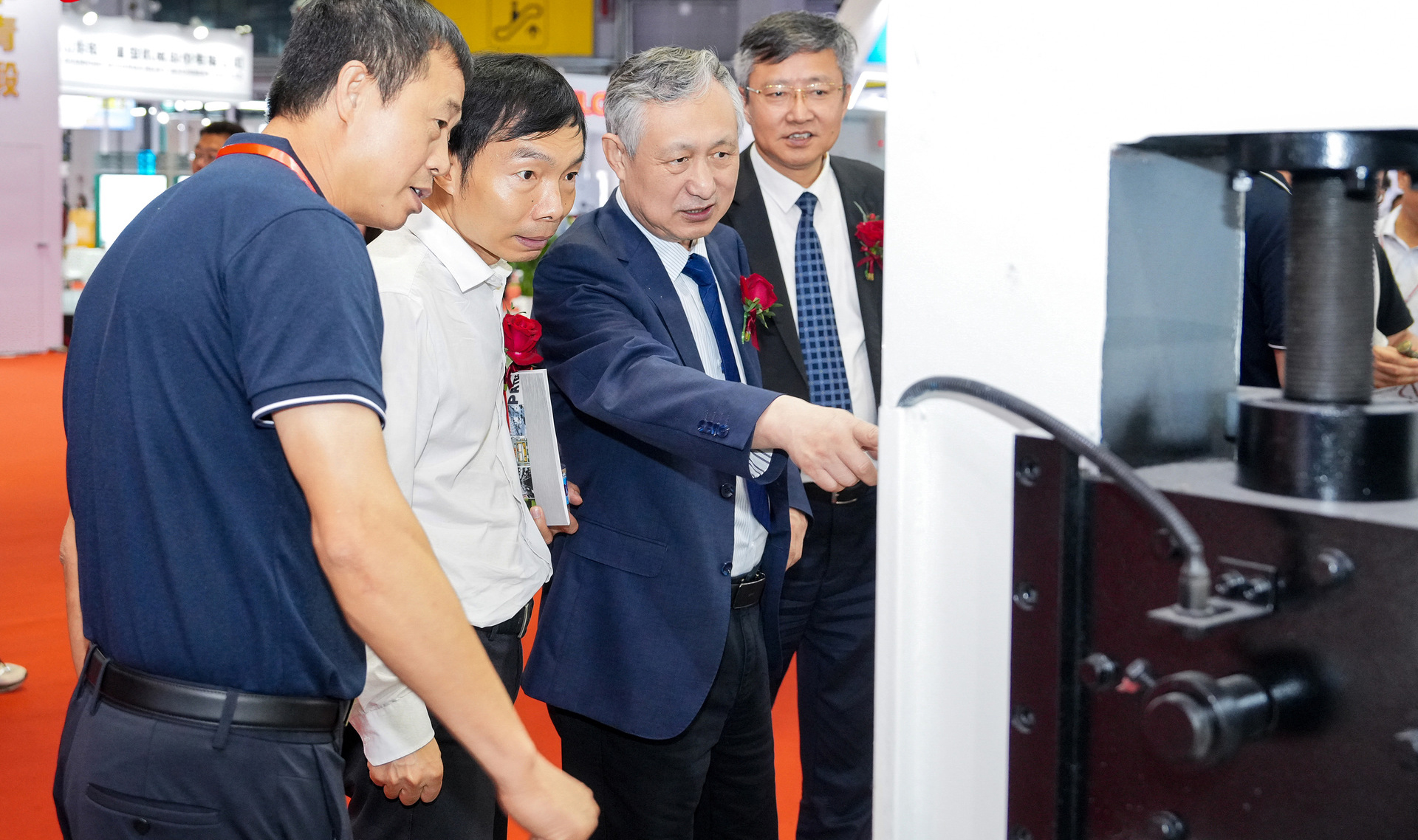
Harbermetal will also showcase its expanded MIM manufacturing capabilities and diverse material components at PM CHINA 2027 in Shanghai, Booth D47.
Media Contact
Email: sales@harber-mim.com Tel: +86 0769-82389116
Media Contact
Harber Industrial Ltd. lqjz73@gmail.com +86 0769-82389116 https://www.harbermetal.com/