


Seoul, South Korea Sep 14, 2026 (Issuewire.com) - Goldman Urology has surpassed 6,500 cumulative procedures for benign prostatic hyperplasia (BPH), reflecting its continued clinical experience in selecting treatment strategies based on prostate anatomy, symptoms, underlying health conditions, and individual recovery considerations.
BPH is a common condition among middle-aged and older men in which enlargement of the prostate can compress the urethra and cause lower urinary tract symptoms such as a weak urinary stream, frequent urination, incomplete bladder emptying, and nocturia. Medication is often used as an initial treatment, while procedural or surgical treatment may be considered when symptoms remain inadequately controlled or complications such as recurrent urinary retention develop.
Multiple Treatment Options for Different Patient Needs
Goldman Urology provides five major procedural and surgical options for BPH: holmium laser enucleation of the prostate (HoLEP), Aquablation, Rezūm water vapor therapy, iTind, and the UroLift prostatic urethral lift.
Rather than applying a single procedure across all patients, treatment selection takes into account factors including prostate size and anatomy, severity of urinary symptoms, underlying medical conditions, and recovery priorities.
HoLEP uses holmium laser energy to remove obstructive prostate tissue and can be applied to patients with larger prostates. Aquablation uses a robotically controlled waterjet to remove targeted prostate tissue without thermal energy. Rezūm uses water vapor to reduce excess prostate tissue, while iTind and UroLift are designed to improve urinary flow without conventional tissue resection.
Experience with Complex BPH Cases
The complexity of BPH treatment can vary considerably from one patient to another. Older patients with cardiovascular disease, diabetes, or hypertension may require additional perioperative considerations. Treatment planning can also become more complex in patients with very large prostates or those undergoing repeat treatment after symptoms recur following a previous procedure.
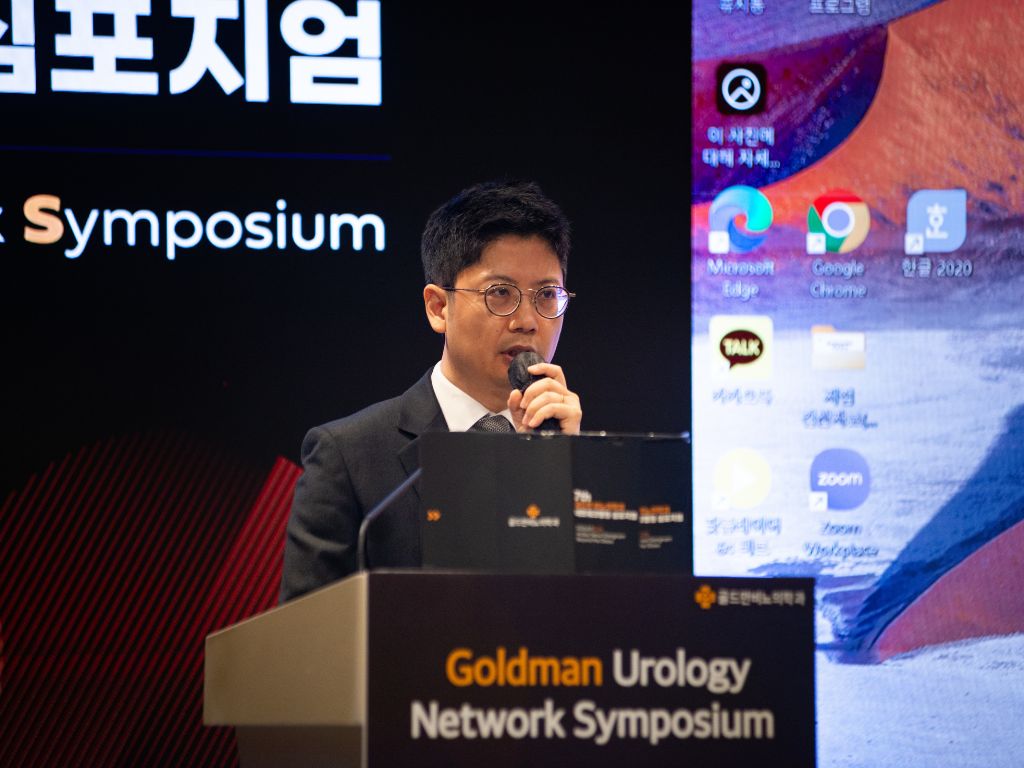
At a network symposium held in August, Goldman Urology physicians shared clinical experience involving HoLEP procedures for prostates ranging from approximately 80 cc to 200 cc, along with surgical techniques intended to reduce postoperative urinary incontinence.
The medical group holds regular clinical meetings and network symposia where physicians discuss complex cases, procedural techniques, and evolving approaches to BPH treatment.
Considering Function Preservation in Aquablation
In Aquablation procedures, Goldman Urology also incorporates a tissue-preservation approach known as “Hood Sparing,” which is designed to preserve tissue around the verumontanum, an anatomical area associated with ejaculatory function.
The approach reflects a broader shift in BPH treatment toward considering not only relief of urinary obstruction but also functional outcomes and recovery following treatment.
Extending Care Beyond the Procedure
Goldman Urology operates inpatient facilities across its network to support patients during postoperative recovery. At its Gangnam location, overnight medical and nursing staff are available to monitor hospitalized patients and respond to changes in their condition during recovery.
According to Goldman Urology, the milestone of 6,500 cumulative BPH procedures reflects clinical experience across a range of prostate sizes, patient health profiles, and treatment modalities. The medical group plans to continue refining individualized treatment strategies through ongoing clinical review and physician education.
“BPH treatment should not be determined by prostate size alone,” said Chang-ki Lee, representative director of Goldman Urology. “A patient’s symptoms, overall health status, anatomical characteristics, and recovery priorities should all be considered when selecting an appropriate treatment strategy.”
Goldman Urology said it will continue to develop its BPH treatment protocols based on accumulated clinical experience and ongoing exchange among physicians.
Reported by Jo Ban-eum
Medical Journalist, Clinic in Korea
Media Contact
Gipyeong Media shamaim0604@naver.com https://clinicinkorea.com/