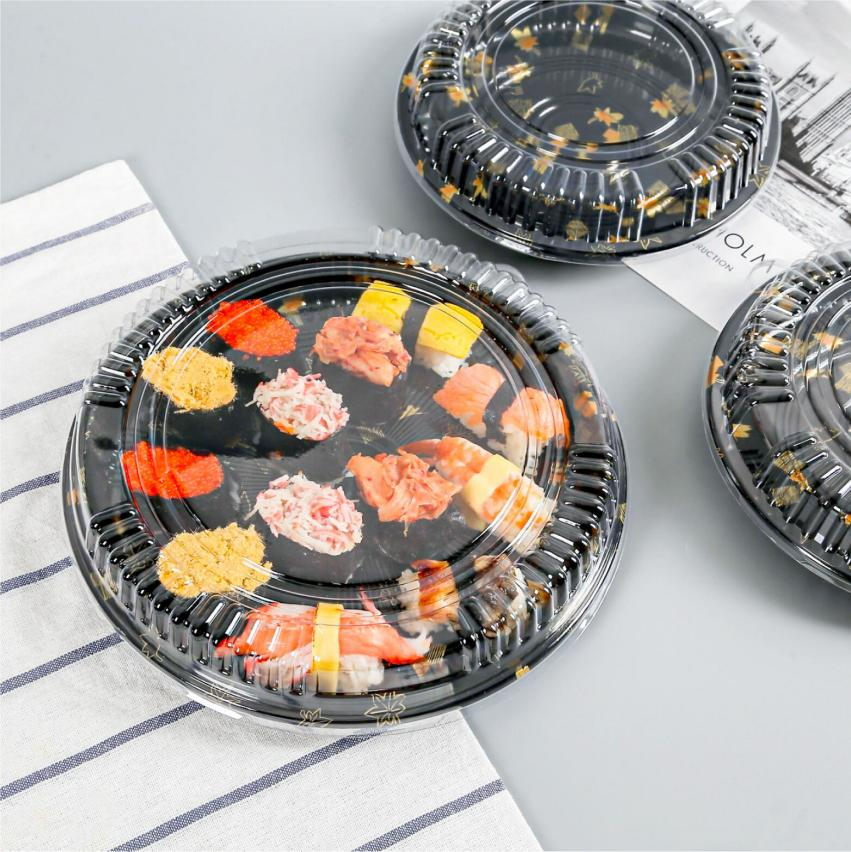
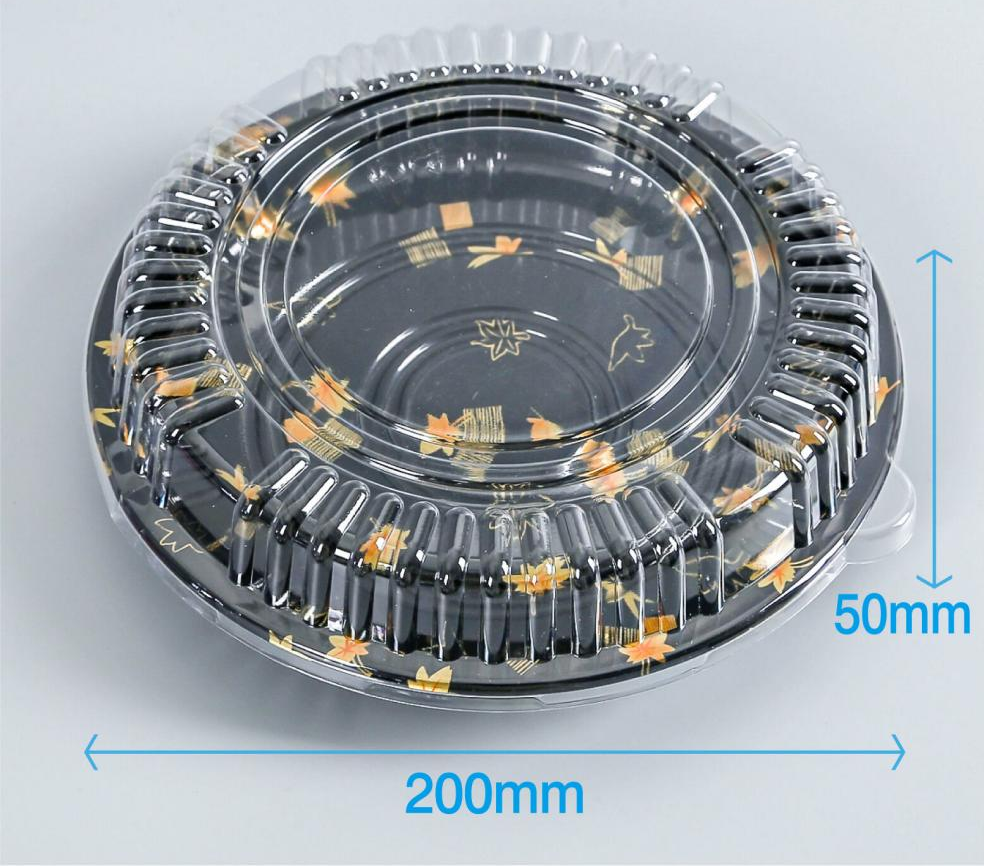
Xiamen, Fujian Jun 10, 2026 (Issuewire.com) - In the high-paced world of modern food logistics, the first point of physical contact between a brand and a consumer is often the packaging. Whether it is a clear PET deli container or a robust PP bowl for hot soup, the integrity of that container conveys the quality of the contents inside. According to industry reports, the demand for high-performance disposable food containers is increasingly driven by the rise of home delivery services and the need for rigorous food safety compliance.
For a professional Printed Plastic Packaging For Food Manufacturer, the challenge lies in balancing aesthetic appeal with structural safety and technical precision. Xiamen XieFa Vacuum Forming Packing Co., Ltd., a specialized manufacturer established in 2009, has navigated this intersection of material science and visual branding for over a decade. By maintaining a scientific quality management system and focusing on OEM and ODM services, XIEFA has refined a workflow that transforms raw, food-grade resins into customized solutions that serve global markets.
The Foundation of Safety: Pure Substrates for Reliable Printing
The journey toward high-quality printed food containers begins long before the first drop of ink touches a surface. It starts with the selection of raw materials. In the food industry, material purity is not just a preference; it is a regulatory necessity. XIEFA adheres to a strict protocol of using 100% virgin food-grade materials, such as Polypropylene (PP) and Polyethylene Terephthalate (PET). This commitment ensures that every printed plastic packaging for food is free from the contaminants often found in recycled resins, which can compromise the chemical stability of the container.
From a technical standpoint, the choice of virgin materials directly affects the "printability" or surface tension of the substrate. Recycled materials often contain microscopic impurities and varying densities that result in uneven surfaces. These inconsistencies lead to poor ink adhesion, causing patterns to flake, peel, or exhibit noticeable color deviations. By prioritizing pure raw materials, Xiamen XieFa Vacuum Forming Packing Co., Ltd. provides a perfectly flat and chemically receptive canvas. This ensures that the surface tension is optimized for specialized food-safe inks, allowing for a stable bond that survives the friction of transport and the variations of temperature. When a manufacturer integrates these high-quality materials, they set a safety baseline that protects both the brand's reputation and the consumer's health.
Engineering Vibrant Designs into Quantifiable Parameters
In the competitive food retail sector, "vibrant" is more than a descriptive adjective; it is a technical requirement for brand consistency. For many enterprises, translating a digital logo into a physical printed plastic packaging for food involves a complex transition from pixels to physical polymers. XIEFA bridges this gap by offering a comprehensive one-stop solution for customized packaging. This process begins with a meticulous conversion of client-provided AI or PDF vector files into precise printing plates.
Consistency is achieved through a quantified color-matching system. Rather than relying on visual approximations, XIEFA utilizes Pantone color matching to ensure that the "brand red" on a soup bowl in New York is identical to the one in London. This level of accuracy requires advanced multi-color overprinting technology, where each layer of ink is registered with high precision to avoid blurring or "ghosting" effects.
Furthermore, the design phase at Xiamen XieFa Vacuum Forming Packing Co., Ltd. extends beyond the 2D surface into 3D structural engineering. For printed plastic packaging, the physical shape of the container must accommodate the artwork. Engineers at XIEFA optimize the placement of leak-proof ribs and buckle structures to ensure that they do not intersect with critical branding areas. By pre-calculating the impact of vacuum forming on the material's surface, the technical team ensures that logos remain undistorted, even on curved or textured surfaces. This synergy between structural integrity and visual design allows food manufacturers to maintain a professional image without sacrificing the container's functional performance.
Invisible Quality Control in the Production Process
The actual application of designs onto polymers requires a nuanced understanding of different printing technologies. Depending on the specific needs of a printed plastic packaging for food, XIEFA matches the project with either flexographic printing or silk-screen printing. Flexography is typically utilized for large-area color blocks or high-volume runs, offering efficiency and speed, while silk-screen printing is preferred for fine, high-contrast logos that require a thicker ink deposit for better tactile feel and visual pop.
A critical, yet often invisible, aspect of production is ink durability. Containers in the food industry are subjected to harsh conditions, including high heat from microwave use, extreme cold from refrigeration, and the constant mechanical friction of stacking and delivery. Xiamen XieFa Vacuum Forming Packing Co., Ltd. utilizes food-grade inks that undergo rigorous Rubbing Tests to ensure the patterns remain intact. This technical focus prevents the common issue of "ink transfer," where the exterior design of one container might rub off onto the interior of another during transit.
To maintain these standards, XIEFA has established a complete quality management system that includes a First Article (FA) confirmation followed by systematic batch sampling. This means that before a full production run begins, the initial printed samples are checked against the original design specifications for color accuracy, alignment, and adhesion. This proactive approach ensures that potential issues are identified at the source, rather than discovered by the end consumer.
Compliance and Environmental Accountability
As the industry moves toward more sustainable models, the technical expertise at XIEFA has expanded to include a wide range of materials beyond traditional plastics. The company has developed perfect processing technologies for PP, PET, and specialized materials like CPLA, PBAT, and cornstarch-based polymers. This versatility is backed by international certifications such as ISO9001, BSCI, BRC, HACCP, and GRS issued by SGS.
Under these management systems, Xiamen XieFa Vacuum Forming Packing Co., Ltd. strictly controls the entire lifecycle of the product, from the sourcing of raw materials to the final inspection of the finished printed plastic packaging. This ensures that whether a client requires a standard disposable container or a complex, multi-colored branded solution, the product meets global safety and environmental standards.
The integration of advanced material science, precision printing, and a robust after-sales service guarantee system allows food manufacturers to focus on their culinary craft while leaving the complexities of containment to the experts. In an era where the visual and functional quality of packaging is inseparable from the product itself, the role of a specialized manufacturer like XIEFA becomes a vital link in the global food supply chain.
For more information about customized food packaging solutions, please visit: https://www.xffoodpackaging.com/
Media Contact
Xiamen XieFa Vacuum Forming Packing Co., Ltd. kate.wu@xmxiefa.com 4th Floor , Building 3, No.19, Fengling Rd.2, Tong'an Chengnan Industrial Area, Xiamen , China https://www.xffoodpackaging.com/