Zhongshan, Guangdong Aug 28, 2026 (Issuewire.com) - As regulatory frameworks across North American and European markets grow increasingly stringent, the standards for consumer electronics import clearance have shifted from basic functionality to rigorous compliance. Radio frequency interference and hazardous material restrictions now pose critical barriers for market entry. A failure to navigate these requirements translates directly to delayed shipments, seized inventory, and costly product recalls. In this regulatory climate, partnering with a dependable LED Mood Light Manufacturer becomes a strategic necessity for global distributors and brand owners. By integrating FCC and RoHS standards throughout the entire product lifecycle, manufacturing partners eliminate friction at customs and retail shelves.
Operating a 5,000+ square-meter facility driven by 5+ automated production lines, BoelangMake embeds compliance into the core of its engineering process. The company has passed BSCI, WCA, and API factory audits and operates under a robust ISO9001 quality management framework. This compliance-driven production model sharply mitigates legal risks for importers. When technical specifications align perfectly with international safety mandates, supply chain velocity increases.
Smart Lighting and Dynamic Mood Functions
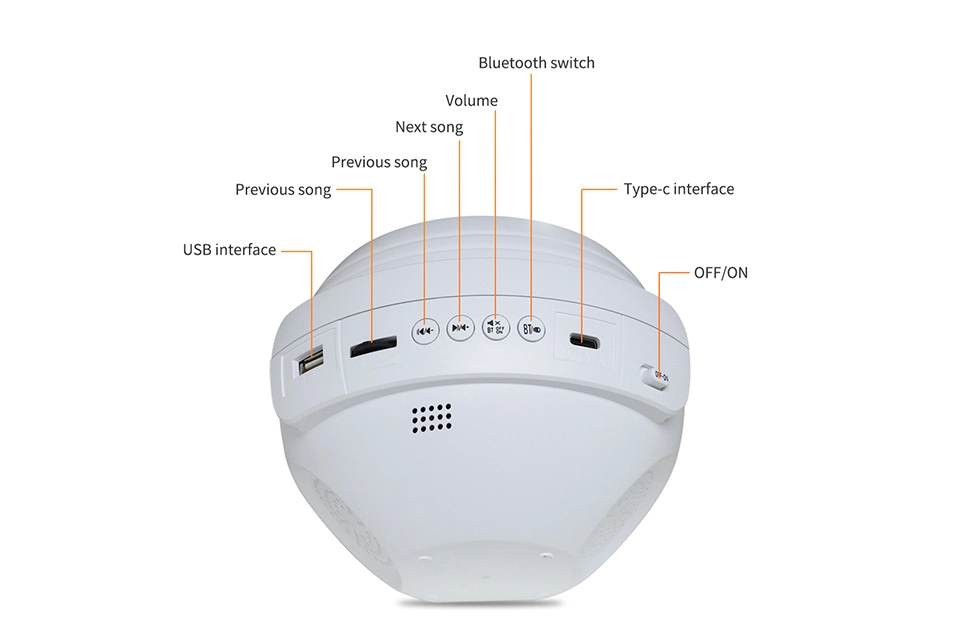
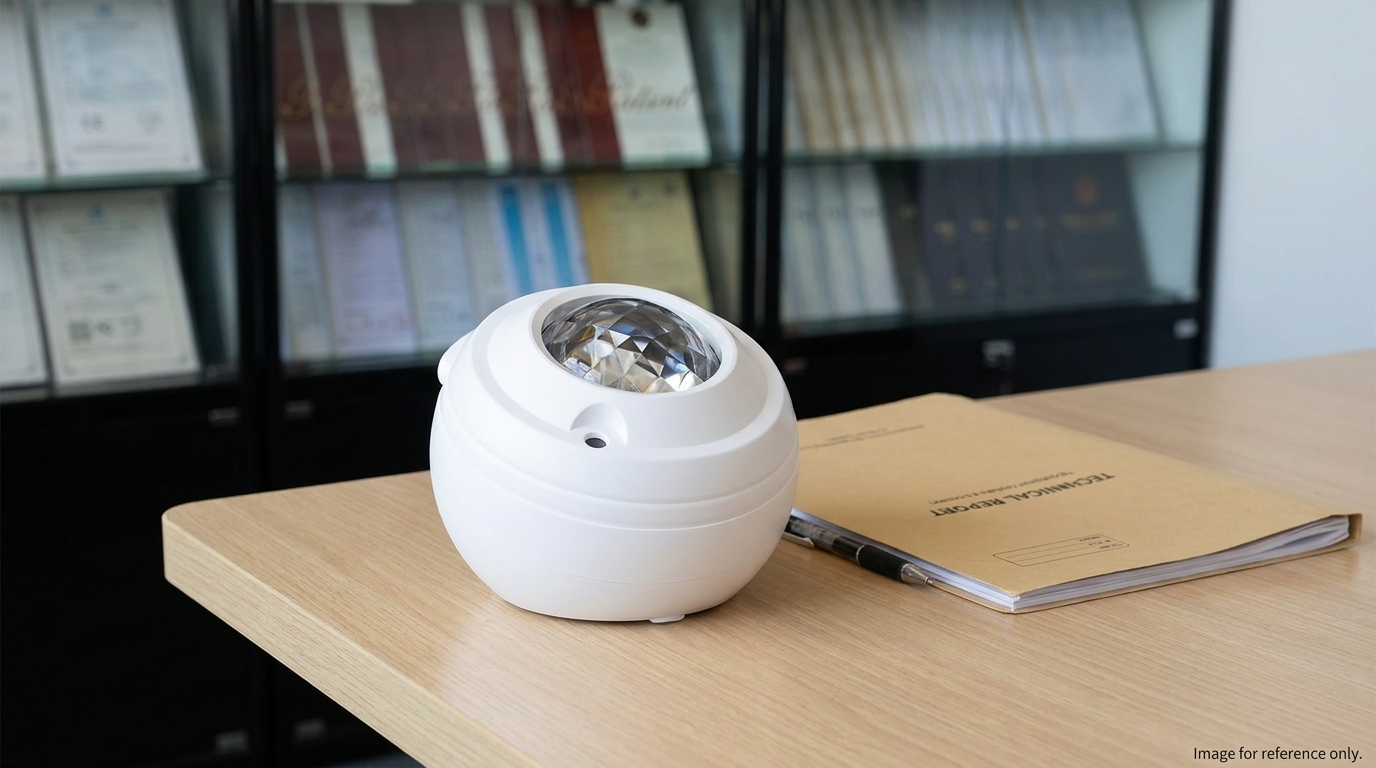
Beyond regulatory adherence, market success relies on compelling product experiences. The modern consumer demands intelligent control and immersive atmospheres. Products like the BL-XK09-IV smart star projector illustrate this convergence of compliance and advanced functionality. This device deeply integrates RGBW multi-color lighting arrays with dynamic dimming technology. It features robust App control capabilities, enabling users to calibrate brightness, adjust color saturation, and manage smart timer functions seamlessly.
Integrating wireless Bluetooth audio modules and music sync capabilities introduces complex engineering challenges. The integration of 15+ R&D engineers ensures these sophisticated electronic components operate flawlessly without compromising safety. Voice control compatibility with Amazon Alexa, Google Assistant, and Samsung SmartThings further elevates the user experience, demanding precise circuit design to maintain stable connectivity.
These multi-functional capabilities fundamentally increase the baseline requirements for electromagnetic compatibility and material safety. When an atmosphere light processes wireless signals and syncs lighting patterns to audio rhythms, the internal circuitry must manage fluctuating power loads efficiently. Leveraging a portfolio of more than 200 patents, the engineering team effectively resolves the conflict between feature density and compliance stability. This capability ensures that distributors receive highly competitive smart lighting devices that do not risk failing regulatory audits due to excessive electromagnetic emissions or unstable wireless protocols.
Patent-backed smart projection bulb development provides an additional reference for evaluating BoelangMake’s mood-light engineering. The smart projection bulb series is supported by invention and utility model patents and converts standard E26/E27 lamp fixtures into projection lighting with 16 million colors, smooth dimming, music synchronization, and aurora-style effects. Because these control and audio-responsive functions are integrated into a compact bulb format, the series also gives OEM buyers a relevant benchmark for reviewing electromagnetic compatibility, material selection, and compliance impact when functional changes are requested.
The Importance Of Product-Level FCC And RoHS
For atmosphere lights equipped with wireless radio modules like Bluetooth and complex internal circuitry, product-level certification acts as the primary defense against market exclusion. FCC certification guarantees that radio frequency emissions and electromagnetic interference remain within legally permissible safety limits. This validation is critical. Devices lacking proper FCC clearance risk interfering with surrounding electronics and invite immediate regulatory penalties in the United States. Simultaneously, RoHS compliance ensures that solder materials, external housings, and internal components remain entirely free of hazardous heavy metals like lead and cadmium.
General factory audits alone cannot replace the necessity of device-specific testing. However, a manufacturer’s overarching commitment to quality management establishes the foundation for model-specific compliance. Operating under ISO9001 protocols, the production floor implements rigorous material tracking and component sourcing protocols. This systematic approach ensures that every resistor, LED chip, and polycarbonate housing meets strict environmental requirements before entering the assembly line.
Products emerging from these lines carry an impressive portfolio of certifications, including CE, TUV, FDA, PSE, UL, and Class 1 laser safety standards alongside FCC and RoHS. This comprehensive regulatory coverage provides importers with immediate market access across multiple jurisdictions. The alignment of environmental responsibility with electromagnetic safety eliminates downstream liabilities for retail partners.
Compliance Documents Buyers Should Request
True compliance extends far beyond marketing brochures and generalized factory claims. Validating the legal status of an electronic device requires rigorous scrutiny of specific test reports. During the procurement phase, professional buyers must mandate the submission of comprehensive FCC and RoHS documentation covering the exact smart mood light models under consideration. Relying on outdated or unmatched certificates exposes importers to significant financial and legal risks during customs inspections.
A robust documentation review process involves several critical checkpoints. Importers should cross-reference the issuing laboratory's credentials, verify the exact testing standards applied, and check the validity dates of the certificates. The model numbers on the test reports must correspond identically to the product configurations listed in the purchasing agreement. Furthermore, buyers should request the bill of materials declaration to confirm that all listed components comply with RoHS directives.
Implementing a transparent document verification mechanism fundamentally reduces procurement risks. When a manufacturer readily supplies well-organized, traceable compliance records, it signals deep operational maturity. These documents serve as the ultimate acceptance criteria for contract execution. They provide retail buyers with the empirical evidence needed to confidently stock products, knowing that every unit meets the legal thresholds required by international consumer protection agencies.
Change Control In OEM Customization
Compliance status is rarely a permanent fixture, particularly within dynamic manufacturing environments. OEM customization frequently introduces variables that can invalidate existing certifications. Modifying a device's external housing materials to match brand aesthetics or repositioning an internal Wi-Fi antenna to accommodate a new physical footprint can drastically alter a product's electromagnetic profile and chemical composition.
Such modifications demand strict engineering oversight. Managing these transitions requires a highly disciplined change control protocol rooted in ISO9001 methodologies. When custom orders require technical deviations, the engineering team initiates a rigorous CAD approval and sample validation workflow. This process evaluates how alternative components or structural adjustments impact thermal dissipation, radio frequency emissions, and material safety.
If an OEM adjustment fundamentally alters the circuit layout or material properties, the manufacturer must trigger a re-testing sequence to secure updated FCC and RoHS clearance. This proactive approach prevents non-compliant iterations from ever reaching mass production. By maintaining precise oversight over engineering changes, the facility guarantees that all customized deliveries retain their legal compliance status. This deep experience in managing engineering variations safeguards the importer's investment and ensures continuous market availability.
By fusing advanced intelligent lighting experiences with uncompromising FCC and RoHS standards, BoelangMake systematically clears the regulatory barriers facing global importers. This evidence-based manufacturing model delivers smart atmosphere lights that perform flawlessly while mitigating legal liabilities. Distributors and brand partners seeking to expand their consumer electronics portfolios require dependable, compliant supply chains. Discover precision-engineered lighting solutions and request comprehensive model testing reports by visiting https://www.bolangmake.com/.
Media Contact
Zhongshan Bolang Electronic Technology Co., Ltd. *****@bolangmake.com https://www.bolangmake.com/