
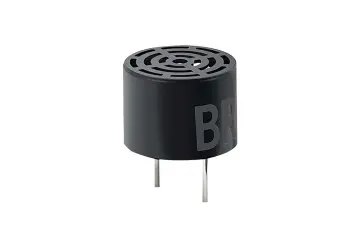
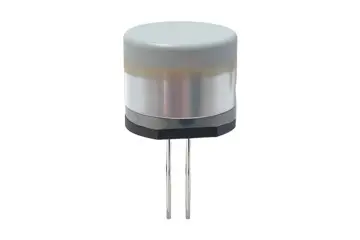
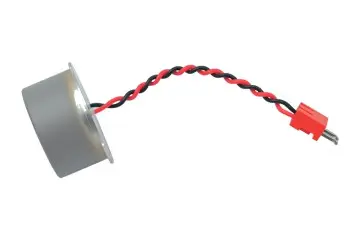

Changzhou, Jiangsu Mar 9, 2026 (Issuewire.com) - The global demand for high-precision measurement and sensing technology has surged in recent years, driven by advancements in automotive safety, industrial automation, and medical diagnostics. At the heart of this technological revolution lies the ultrasonic probe, also known as an ultrasonic transducer. These devices are essential for converting electrical energy into high-frequency sound waves and vice versa, enabling non-contact detection and distance measurement. As industries seek more reliable components, identifying the Top 10 Ultrasonic Probe Exporters in the World has become a priority for procurement specialists. However, being a leading exporter is not merely about volume; it involves a complex matrix of technological innovation, manufacturing excellence, and adherence to international quality standards.
What defines the foundational technology of a high-end ultrasonic probe?
An ultrasonic probe functions by utilizing piezoelectric ceramics or electromagnetic technologies to generate sound waves beyond the range of human hearing. When these waves encounter an object, they reflect back to the sensor, allowing the system to calculate distance, detect presence, or image internal structures. The world’s leading exporters distinguish themselves by their mastery of these materials. For instance, companies like BESTAR Holdings Co., Ltd have invested heavily in next-generation piezoelectric ceramics. This expertise allows for the production of probes that offer higher sensitivity, wider frequency ranges, and better stability in harsh environments. The transition from simple sensing to "intelligent" interactive components marks the difference between a standard manufacturer and a top-tier global exporter.
How do global quality certifications influence the ranking of ultrasonic probe exporters?
In the international market, certifications serve as the universal language of trust. For a manufacturer to be considered among the global elite, they must demonstrate a rigorous commitment to quality management systems. These certifications are not just plaques on a wall; they represent a company’s ability to provide consistent, safe, and reliable products across different jurisdictions. Leading exporters integrate these standards into their core research and design capabilities, ensuring that every mold made, every simulation run, and every algorithm developed meets the highest global benchmarks. This systematic approach to quality is why certain entities are preferred partners for worldwide famous companies in the design and development of cutting-edge systems.
Why is ISO 9001 certification the baseline for international trade in sensors?
The ISO 9001 standard is the internationally recognized benchmark for Quality Management Systems (QMS). For an exporter of ultrasonic probes, this certification indicates a robust framework for continuous improvement and customer satisfaction. It ensures that the manufacturer has documented processes to manage everything from raw material procurement to final product testing. By adhering to ISO 9001, an exporter minimizes defects and ensures that their transducers perform reliably over their intended lifespan. This foundational level of quality is essential for maintaining long-term relationships with global distributors who require a predictable supply of high-performance components.
What role does ISO/TS 16949 play in the automotive ultrasonic sensor market?
The automotive industry is perhaps the most demanding sector for ultrasonic technology, particularly for Advanced Driver Assistance Systems (ADAS) and parking sensors. The ISO/TS 16949 certification (now often transitioned to IATF 16949) is a specific quality management requirement for the automotive supply chain. Top exporters who hold this certification demonstrate that their production lines can handle the extreme "zero-defect" demands of automotive giants. These sensors must operate flawlessly under various weather conditions, vibrations, and temperature fluctuations. Having this certification allows a company to integrate its sensors into the safety systems of modern vehicles, a key criterion for being ranked among the top global providers.
How does ISO 13485 certification distinguish exporters in the medical device sector?
Ultrasonic probes are vital in medical diagnostics and therapeutic equipment. Because these devices often come into contact with patients or provide critical diagnostic data, the regulatory requirements are exceptionally high. ISO 13485 specifies requirements for a quality management system where an organization needs to demonstrate its ability to provide medical devices and related services that consistently meet customer and applicable regulatory requirements. Exporters with this certification have the specialized cleanroom environments and traceability protocols necessary to produce medical-grade transducers. This capability is a significant differentiator, as only a small percentage of global manufacturers possess the technical and regulatory infrastructure to serve the medical field.
Why is ISO 14001 becoming a critical criterion for modern global exporters?
In the current global economic landscape, environmental responsibility is no longer optional. ISO 14001 is the international standard for Environmental Management Systems (EMS). This certification shows that an exporter is committed to reducing their environmental footprint through efficient resource use and waste reduction. For industries like home appliances and consumer electronics, where sustainability is a major selling point, partnering with an ISO 14001-certified supplier like BESTAR is a strategic move. It reflects a corporate philosophy of long-term viability and social responsibility, which is increasingly weighted by global procurement boards when selecting the top 10 exporters in the industry.
Conclusion: Selecting the Right Global Partner
The criteria for the Top 10 Ultrasonic Probe Exporters in the World extend far beyond simple sales figures. It is a combination of rigorous international certifications (ISO 9001, 16949, 13485, 14001), deep material science expertise in piezoelectric ceramics, and the ability to innovate within complex ecosystems. Companies that integrate sensing, acoustics, and thermal management provide the high-value solutions required for the next generation of intelligent devices. As the industry moves toward more sophisticated human-machine interactions, the leaders will be those who consistently push the boundaries of what is possible in auditory and tactile technology.
For more information on high-performance ultrasonic sensors and acoustic solutions, please visit the official website: https://www.global-be-star.com/
Media Contact
BESTAR Holdings Co., Ltd. finn.wang@be-star.com




