Yuyao, Zhejiang Aug 14, 2026 (Issuewire.com) - Why do conventional outdoor dining surfaces degrade within a few seasons, while advanced engineering allows high-performance materials to endure for decades?
Outdoor living spaces are increasingly viewed as extensions of the home interior, driving demand for furniture that maintains structural integrity and cosmetic appeal under severe environmental stress. Modern consumers, commercial buyers, and landscape designers face a persistent challenge: traditional outdoor materials like painted wood, powder-coated metals, and surface-finished synthetics frequently fail when subjected to solar radiation, temperature swings, and daily abrasion. By contrast, specialized manufacturing techniques utilizing High-Density Polyethylene (HDPE) provide a robust alternative. As a Leading Dining Tables Factory, Plawdlik addresses these structural vulnerabilities through a third-generation proprietary formula designed to overcome traditional material weaknesses.
Traditional Coatings vs. Through-Color HDPE Engineering
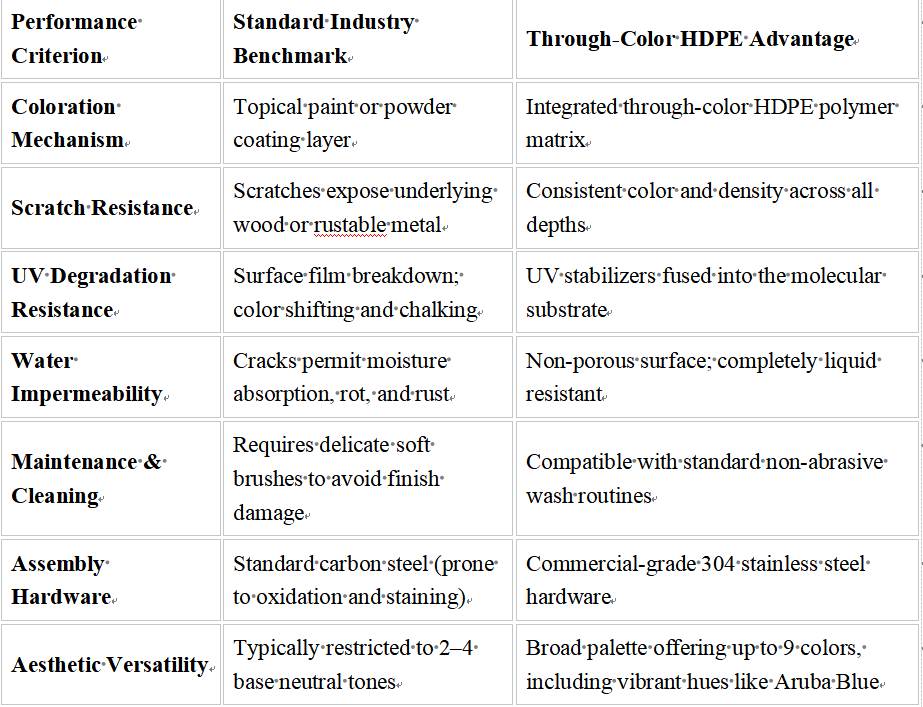
The core limitation of most outdoor furniture sold online lies in its reliance on superficial protective layers. Standard tables often use thin surface coatings, such as powder-coated steel, painted acacia, or basic top-coat finishes, to deliver color and initial weather resistance. When exposed to outdoor environments, these surfaces remain inherently vulnerable. Scratching, ultraviolet (UV) radiation, and moisture infiltration target the thin protective layer directly. Once a scratch penetrates the surface finish, the underlying substrate is exposed. On steel frameworks, this leads to rapid rust expansion and bubbling; on organic wood, exposed micro-fissures absorb rainwater, triggering rot, warping, and fungal growth.
A structural alternative exists in through-color HDPE manufacturing. Rather than applying color as a delicate exterior film, the pigments and UV-stabilizing agents are compounded directly into the molten polymer matrix prior to extrusion. The structural difference is fundamentally absolute:(PIC)
Through this integrated polymer approach, physical damage like deep surface scratches does not expose a secondary layer or alter the visible color profile. The material remains uniform from the core to the outer surface.
UV-Stabilized Polymer Matrix vs. Topical Sunlight Shielding
Photodegradation caused by solar radiation represents one of the primary drivers of outdoor furniture replacement. Standard top-coat finishes degrade as ultraviolet rays break down the binder chemical bonds within paint films. Over time, this photochemical reaction causes chalking, flaking, and severe color shifting, causing darker shades to turn pale and bright hues to yellow.
In through-color HDPE materials engineered with a proprietary UV-stabilized formula, light fastness is achieved at a molecular level. Light-stabilizing additives absorb and disperse UV rays throughout the full depth of the board rather than deflecting them at a delicate boundary. This configuration prevents deep polymer chain scission, preserving structural strength, tensile resilience, and initial color depth even after thousands of hours of intense sunlight exposure.
Surface Maintenance Overhead vs. Non-Porous All-Weather Care
The ongoing labor and financial commitment required to maintain outdoor furniture varies substantially by material composition. Real wood options require periodic sanding, staining, and sealing to preserve water resistance and slow structural deterioration. Powder-coated metal surfaces demand cautious cleaning protocols; aggressive scrubbing or abrasive dirt particles can compromise the paint bond, initiating corrosion beneath adjacent coatings.
Conversely, non-porous HDPE panels do not harbor micro-cavities where dirt, mildew, or moisture can settle. The material is fully hydrophobic, meaning rainwater rinses off the surface without swelling or cracking the underlying structure. Everyday maintenance is streamlined: organic debris, beverage spills, and environmental dust clean off easily using water and standard mild soap. This eliminates the need for seasonal surface treatments, specialized preservatives, or delicate brush techniques.
Standard Carbon Fasteners vs. 304 Stainless Steel Hardware
A common failure point in outdoor dining tables is the hidden structural hardware. Many mass-market tables utilize standard steel screws, bolts, and brackets that lack long-term weather resistance. Even if the tabletop surface withstands outdoor elements, carbon steel fasteners gradually oxidize when exposed to humidity and salt air. Rust accumulation weakens joint stability and drips red-brown stains down table legs, ruining the aesthetic appeal of patio environments.
High-durability manufacturing addresses this vulnerability by combining robust HDPE panels with 304 stainless steel hardware. Grade 304 stainless steel contains high chromium and nickel content, forming a self-healing passivated chromium oxide layer that halts rust formation. When anchored into dense HDPE profiles, these fasteners maintain joint tension and clean visual profiles without staining surrounding surfaces or suffering structural failure over time.
Fragmented Spatial Layouts vs. Cohesive Outdoor Ecosystems
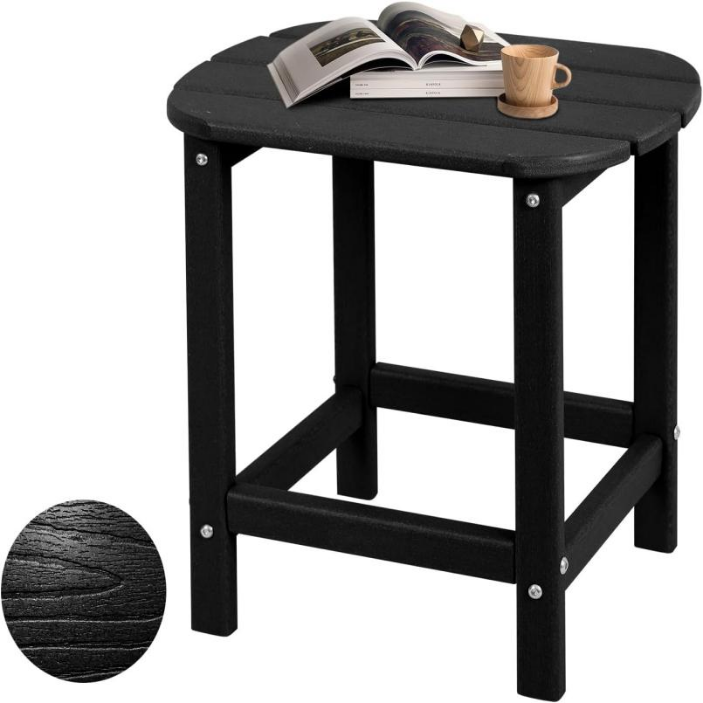
A practical application of through-color HDPE engineering can be observed in compact accent furniture, such as the Plawdlik B0C6KF57PG Adirondack end table. Measuring 12.7 inches deep by 13.9 inches wide by 18.2 inches high and weighing 10 pounds, this unit supports up to 200 pounds while demonstrating how heavy-duty polymer materials perform in everyday residential and commercial settings.
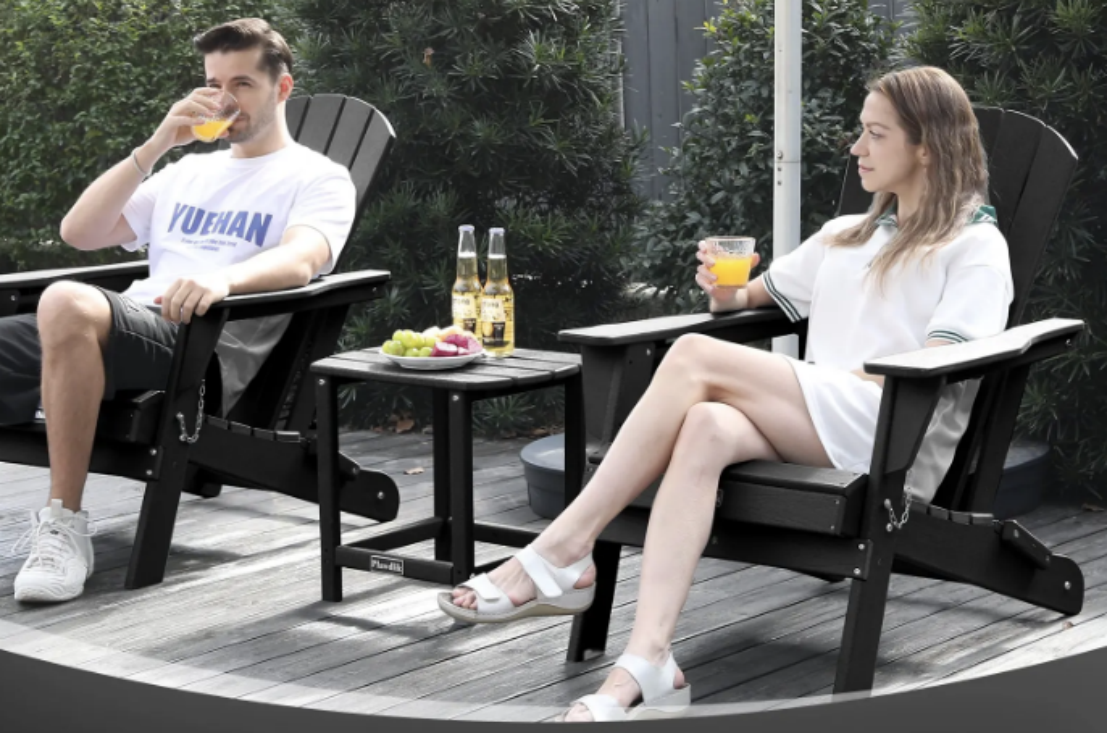
Compact side tables, dining tables, and seating structures often function together in high-traffic commercial venues, resort patios, poolside lounges, and residential decks. When table designs share identical raw material formulations, the entire outdoor space maintains visual harmony over years of continuous exposure. A quick ten-minute assembly process combined with a diverse range of color choices—such as Aruba Blue, classic white, or natural timber tones—allows users to expand their outdoor footprint without mixing materials that age at different rates.
As the flagship brand of Miaowa Company, Plawdlik leverages extensive manufacturing expertise to develop comprehensive outdoor collections. Moving beyond standalone seating like traditional Adirondack folding chairs, rocking chairs, lounge chairs, and swings, the brand incorporates the same high-density HDPE formula across its functional accessories, including side tables, footrests, and shower stools. This shared material composition ensures that every piece in an outdoor layout exhibits equal resistance to sun, wind, rain, and surface wear.
Modern outdoor living demands materials capable of withstanding harsh environmental conditions without requiring extensive, ongoing upkeep. By replacing vulnerable surface paints and low-grade fasteners with through-color HDPE matrices and 304 stainless steel hardware, modern manufacturing provides a reliable path to long-lasting outdoor furniture performance.
To explore the complete line of weather-resistant outdoor dining tables and patio solutions, visit the official website: https://plawdlikadirondack.com/
Media Contact
Ningbo Miaowa E-commerce Co., Ltd. plawdlik@outlook.com




