Hangzhou, Zhejiang May 28, 2026 (Issuewire.com) - When looking for the best coffee packaging manufacturer, you have to look beyond simple production capacity. Finding the right partner means evaluating how deeply they understand material science, how well they comply with global environmental regulations, and whether their barrier technologies can truly protect the delicate aromas of your coffee.
Ultimately, the Best Coffee Packaging Manufacturer is one that successfully balances high-performance protection with eco-friendly materials. Today's industry leaders don't just supply bags; they serve as true technical partners. They help manage your packaging setup from the primary filter mesh all the way to the structural strength of the outer shipping boxes.
Benchmarks for Top-Tier Coffee Packaging
To earn a reputation as an industry leader, a packaging supplier must consistently deliver across five key technical and logistical pillars.
1. Advanced Material Science and Barrier Protection
Coffee is chemically sensitive. The moment beans are roasted or ground, they begin releasing carbon dioxide (CO2) and become highly vulnerable to oxygen and moisture. The best manufacturers use multi-layered laminates or high-performance monomaterials to block out air, moisture, and UV light completely. For specialized products like UFO drip coffee filters or tea bags, the focus shifts to precise permeability and heat-seal strength, ensuring the filters perform perfectly under boiling temperatures without altering the flavor profile or leaching chemicals.
2. Environmental Compliance and Certifications
In today's market, being eco-friendly is a baseline business requirement, not a marketing gimmick. Leading manufacturers invest heavily in third-party testing to back up their sustainability claims. Look for factories that hold recognized international standards such as DIN-Gepruft, ASTM D6400, OK Biodegradable, or OK Compost. These certifications prove that materials like PLA (Polylactic Acid) and high-barrier kraft paper will actually break down naturally without leaving toxic residues behind.
3. Integrated Research and Development
In-house innovation is what separates a generic commodity supplier from a strategic business partner. Top-tier manufacturers run their own physical testing laboratories to measure tear strength, gas permeability, and microbiological safety on-site. This allows for rapid prototyping when developing new trends, like the increasingly popular UFO drip filter.
4. Scalability and Precision Customization
Every coffee brand has a unique identity. Your supplier should be able to customize dimensions, shapes, and printing using food-safe, eco-friendly inks. They must also be flexible enough to support your business growth—offering low Minimum Order Quantities (MOQs) so startups can test the market, while maintaining the heavy infrastructure needed to scale up to multi-million unit runs for international distribution.
5. Supply Chain Transparency and Global Logistics
A manufacturer’s physical setup directly impacts your landed costs. Production is most efficient when run out of large, certified facilities (exceeding 10,000 square meters) that hold ISO 22000 and ISO 14001 certifications. By operating as a direct source factory, a manufacturer can cut out middleman brokers and optimize global shipping logistics to offer much more competitive pricing.
A Case Study on Specialized Packaging: The Evolution of Tonchant
Tonchant is a prime example of a manufacturer that has consistently hit these industry benchmarks since 2007. Originally founded to produce general food packaging, the company made a major strategic pivot in 2017 to become a specialized coffee and tea packaging manufacturer. To support this shift, Tonchant invested heavily in a dedicated research center and an 11,000-square-meter SC-certified workshop. Recognizing the urgent global demand for environmental compliance, the company overhauled its entire production line to focus specifically on biodegradable materials.
This wasn't just a surface-level branding change. Tonchant adopted a strict "zero pollution" approach, buying specialized equipment to ensure that its PLA and custom kraft papers are completely free of microplastics and industrial contaminants. Today, our 11,000-square-meter facility operates under strict SC, ISO 22000, and ISO 14001 quality systems, guaranteeing total food safety and responsible environmental management.
Innovative Packaging Solutions for Coffee
Modern coffee packaging is generally split into two areas: the primary packaging (the bag or filter that directly touches the coffee) and the secondary packaging (the outer box that protects the product during transit and catches the consumer's eye on the shelf).
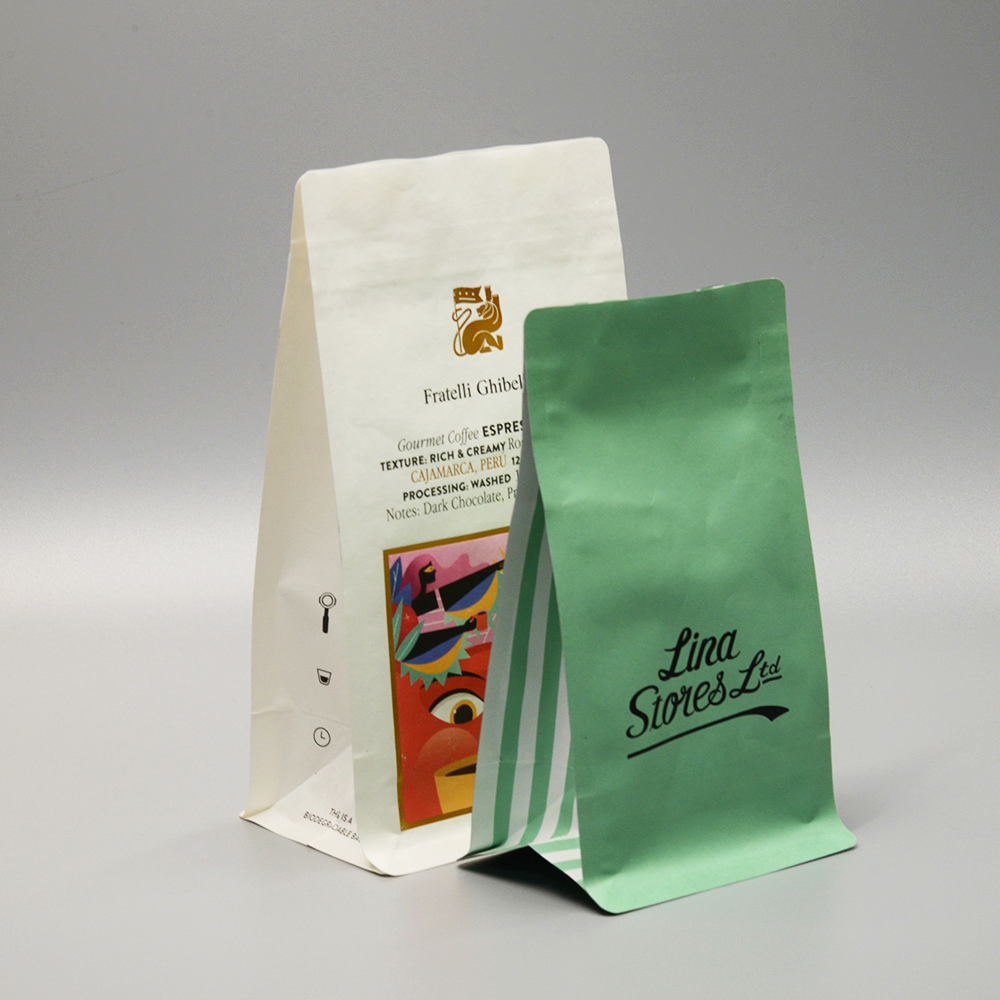
- High-Performance Compostable Stand-Up Pouches:Stand-up pouches (SUPs) remain the go-to choice for retail coffee. The technical challenge is making them biodegradable without losing the barrier strength needed to keep coffee fresh. Modern eco-friendly pouches solve this by using bio-based laminates that offer excellent puncture resistance and moisture barriers. These bags are fitted with compostable one-way degassing valves to safely release built-up CO2 from freshly roasted beans.
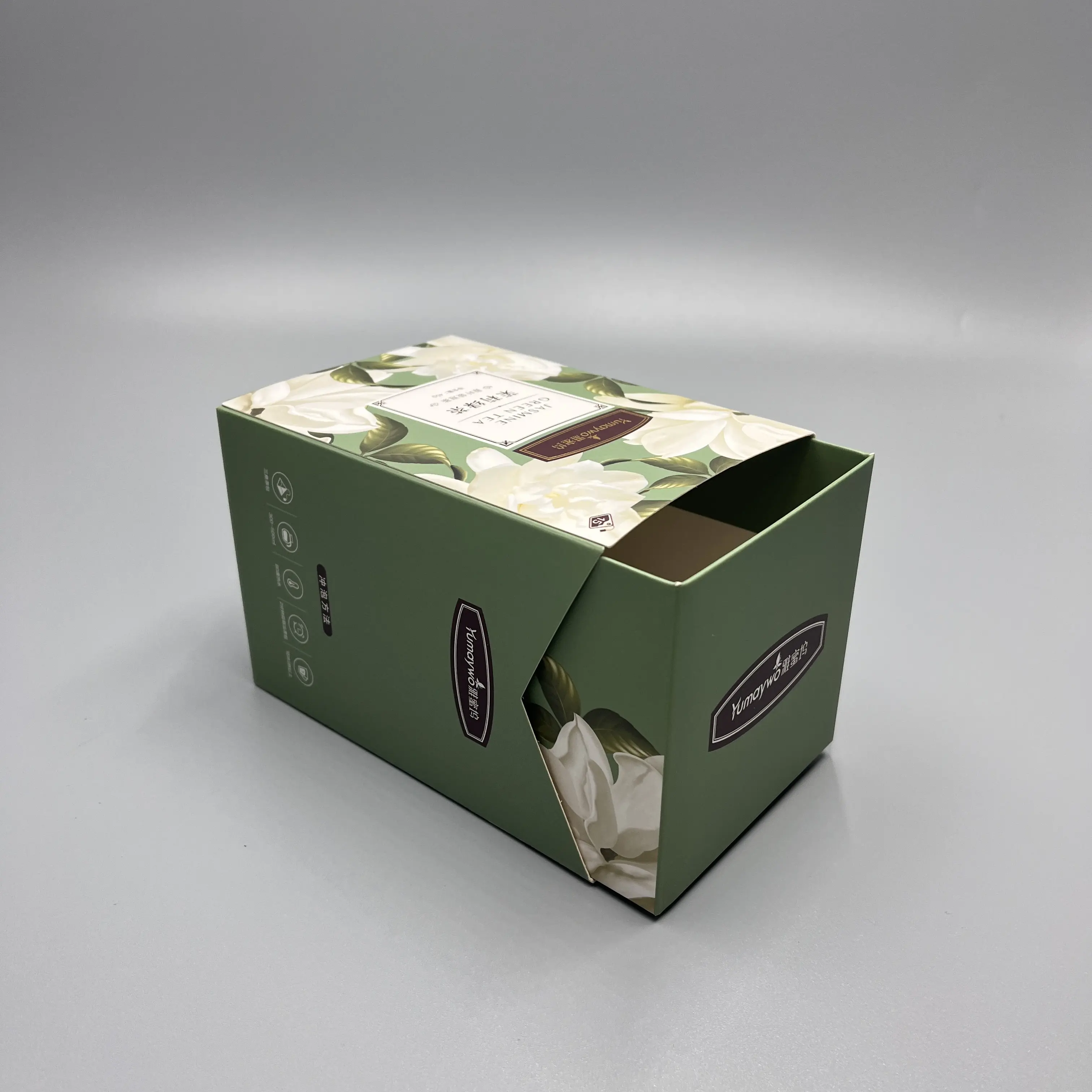
- Sturdy and Custom Folding Storage Boxes:Secondary packaging plays a massive role in how consumers perceive your brand's value. Unboxing a custom drawer-style box or a premium coated folding box creates a luxury experience. Using high-grade coated paper with sharp, custom logos allows brands to project pure professionalism. These boxes are built tough to keep fragile items like drip coffee bags from getting crushed during shipping. Plus, easy-open designs allow them to transition seamlessly from a shipping carton to a beautiful counter-top display.
The Practical Advantages of Modern Production Models
Beyond raw materials, the best packaging partners adapt to the logistical realities of global trade. As top-rated coffee packaging exporters, true experts tailor their shipping and production models to match the environmental laws and distribution needs of different international markets.
- Low-Barrier Dropshipping:To support digital entrepreneurs and growing boutique roasters, some manufacturers now offer dropshipping models. This allows smaller brands to use premium, high-quality packaging without investing in massive warehouses or sitting on dead stock.
- In-House Quality Control:Reliability is non-negotiable. By running an internal testing lab, a factory can check every batch for physical durability and microbiological safety in real time. This ensures that whether an order is destined for a local boutique roaster or a massive global coffee chain, the quality remains exactly the same.
- Flexible Customization:The market shift toward niche products like the UFO drip coffee filter requires incredible manufacturing precision. Modern industry leaders can adjust every single parameter, whether you need a specific micron rating for your filter paper or a totally unique shape for your folding display boxes.
Conclusion
Your choice of a packaging manufacturer directly impacts your coffee's freshness, your brand's reputation, and your environmental footprint. You need a partner that understands the delicate chemistry of freshly roasted coffee just as well as they understand strict international sustainability regulations. Manufacturers like Tonchant are setting a new standard for the global supply chain by focusing heavily on material purity, technical safety, and flexible, scalable customization.
For more information on high-performance, eco-friendly coffee and tea packaging solutions, visit: https://www.coffeeteabag.com
Media Contact
Tonchant Eco Friendly Technology Co., Ltd. tonchant@tonchant.com