Yongkang, Zhejiang Feb 27, 2026 (Issuewire.com) - As a procurement professional or category manager in the global drinkware industry, your primary responsibility extends far beyond simply sourcing a product; you are the gatekeeper of brand reputation and consumer safety. In a marketplace saturated with manufacturers, identifying a Reliable Tumbler Factory from China requires a sophisticated understanding of technical specifications, manufacturing logistics, and international compliance standards. This guide provides a strategic framework for evaluating potential partners, using the operational benchmarks of SKIRTON (Yongkang Yifu Industrial & Trading Co., Ltd) as a case study in industrial excellence.
The Strategic Importance of Supplier Auditing
The global shift toward sustainable and reusable drinkware has led to an explosion in production capacity. However, not all capacity is created equal. A "reliable" factory is one that balances high-volume output with rigorous quality control, ensuring that the 10,000th unit is identical to the first. For buyers, the cost of a supplier's failure—be it a lead contamination issue or a broken vacuum seal—can result in catastrophic product recalls and long-term brand erosion. To mitigate these risks, procurement teams must move past glossy brochures and execute a systematic audit based on five critical pillars.
Step 1: Verification of Corporate Credentials and International Compliance
The first step in any audit is the verification of "table stakes"—the non-negotiable certifications that prove a factory is fit for international trade. A reliable partner must demonstrate transparency in their regulatory standing.
When evaluating a factory like SKIRTON, buyers should look for a robust portfolio of social and quality management certifications. The presence of Disney FAMA, SEDEX, and BSCI (Business Social Compliance Initiative) certifications indicates that the facility adheres to ethical labor practices and environmental standards. Furthermore, ISO9001 certification is essential for ensuring consistent quality management systems. For products destined for the North American and European markets, food-safety compliance is paramount. A credible manufacturer will provide documented evidence of FDA and LFGB certifications, ensuring that materials such as 304 stainless steel are free from harmful toxins and heavy metals.
Step 2: Assessing Manufacturing Scale and Technological Infrastructure
A factory’s "intelligent production base" is often the deciding factor in its ability to handle global demand. Procurement experts must assess whether a facility has the physical and technological infrastructure to scale during peak seasons without compromising lead times.
Located in Yongkang, the recognized hardware capital of China, SKIRTON operates an 80,000-square-meter intelligent production base. For a buyer, these numbers represent more than just size; they translate to stability. With 20 automated production lines and an annual capacity of 20 million pieces, the facility utilizes advanced hydro-forming technology. Unlike traditional mechanical stretching, hydro-forming uses high-pressure fluid to shape the stainless steel, resulting in more uniform wall thickness and higher structural integrity. When auditing a factory, always inquire about their investment in automation, as this reduces the margin for human error in the assembly process.
Step 3: Deep Dive into Vacuum Insulation Technology
The core value proposition of a premium tumbler is its thermal performance. To evaluate a factory’s technical prowess, one must look at their vacuum sealing process. High-quality tumblers, such as the 10oz double-layer vacuum-insulated models, rely on a "getter" or a vacuum exhaust process that removes air between the inner and outer walls.
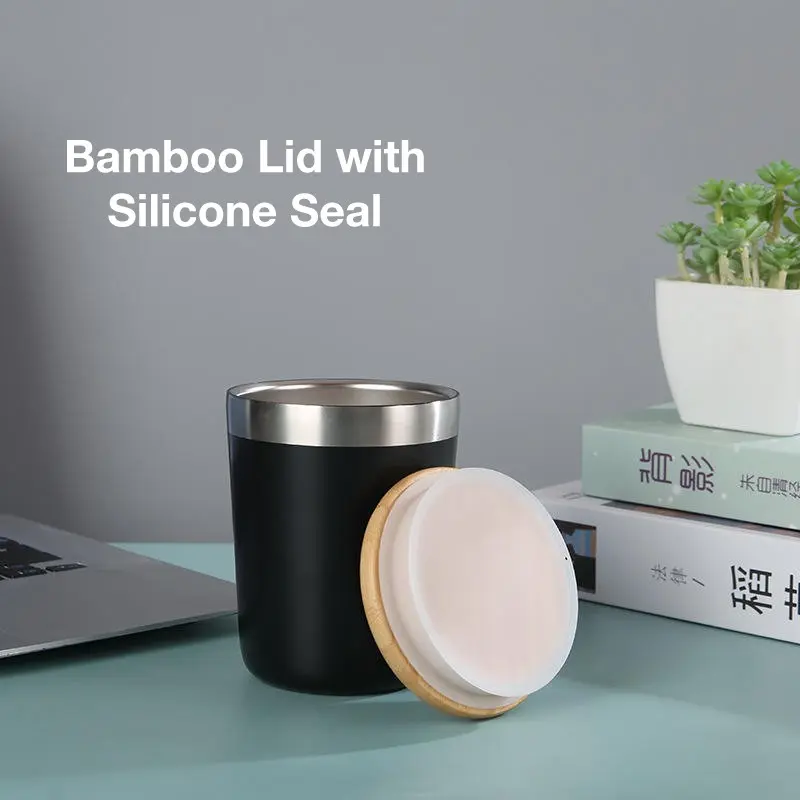
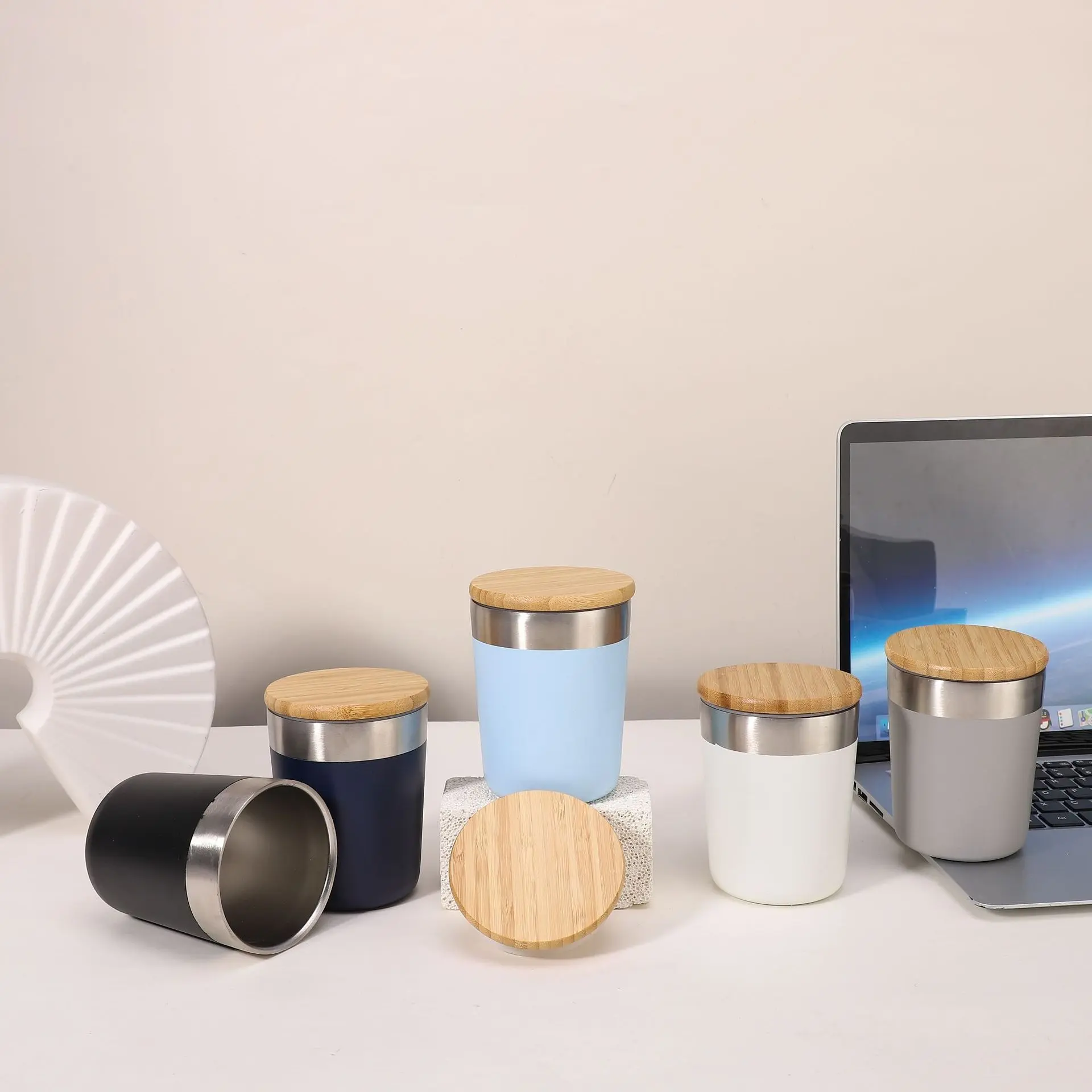
A reliable manufacturer will typically employ a double-walled 18/8 (SUS304) stainless steel construction. This material is chosen for its superior corrosion resistance and durability. During a technical audit, buyers should verify the vacuum duration—often testing if the factory’s R&D team has optimized the space between the walls to prevent heat transfer via conduction and convection. The integration of specialized lids, such as those made from sustainably sourced bamboo or BPA-free plastics, further demonstrates a factory’s ability to manage complex supply chains involving multiple material types.
Step 4: Evaluating Customization and Finishing Capabilities
In the modern market, a tumbler is a lifestyle accessory. Therefore, a factory’s ability to execute complex aesthetic finishes is a key competitive advantage. Buyers should look for diverse surface treatment options, including powder coating, spray painting, and advanced water transfer printing.
The "SKIRTON Audit" reveals a factory that has integrated these finishing processes directly into their automated lines. For example, their automatic water transfer printing line allows for intricate, high-definition patterns that are durable enough to withstand daily use. When interviewing a potential supplier, ask about their R&D experience. A factory with 18 years of experience, such as the team at Yongkang Yifu Industrial, will have a library of proprietary techniques to solve common finishing issues like peeling, fading, or uneven texture, which are common in lower-tier facilities.
Step 5: Logistical Reliability and Market Experience
The final step is evaluating the factory’s track record in your specific target market. A manufacturer that understands the regulatory and aesthetic preferences of Europe, America, Japan, and South Korea will be much easier to work with than a generalist.
Market experience influences everything from packaging design to shipping palletization. A factory that has spent nearly two decades focusing on these high-standard regions will have refined their quality control (QC) protocols to match. This includes pre-shipment inspections, drop testing, and thermal retention testing. By choosing a partner with a proven history of global exports, buyers minimize the risk of logistical bottlenecks and ensure that the final product meets the exact expectations of the end consumer.
Conclusion: Setting a New Standard for Sourcing
Finding a partner that qualifies as a truly reliable tumbler factory requires a balance of due diligence and industry insight. By following the steps outlined in this guide—verifying credentials, assessing scale, scrutinizing vacuum technology, and evaluating finishing capabilities—buyers can secure a supply chain that supports long-term growth.
As demonstrated by the operations at SKIRTON, excellence in the kitchenware industry is the result of continuous R&D investment and a commitment to intelligent manufacturing. For those seeking to elevate their product offerings, the search for a supplier begins with identifying these markers of industrial maturity.
For more information on high-quality stainless steel solutions and intelligent manufacturing, please visit the official corporate portal: https://www.youtumbler.com/
Media Contact
SKIRTON jason@zjskirton.com