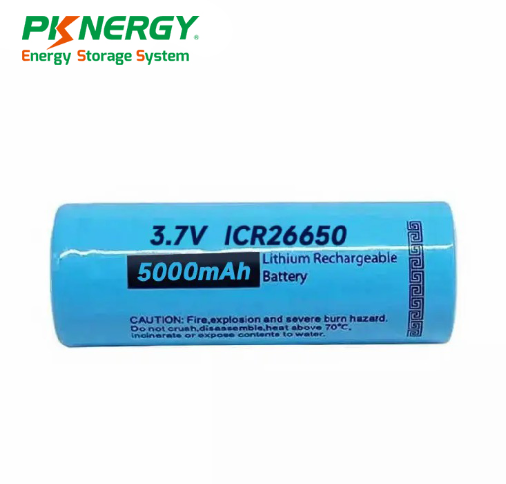
Shenzhen, Guangdong Jun 17, 2026 (Issuewire.com) - The commercial application of lithium-ion technology has transformed multi-industry product design, making reliable battery integration the backbone of modern industrial and consumer hardware. As global markets transition toward smarter electrified systems, original equipment manufacturers (OEMs) face significant regulatory challenges regarding safety, chemical stability, and cross-border logistics for custom battery packs. Within this demanding landscape, Shenzhen Pknergy Energy Co., Ltd(Pknergy) has emerged as a Global Leading Lithium Ion Battery Pack Producer by prioritizing a rigorous compliance roadmap. With a brand heritage tracing back to 1998 and formal corporate incorporation in 2016, the company has spent decades integrating international manufacturing standards into its production lines, ensuring that tailor-made battery solutions meet the diverse legal requirements of the 150-plus countries and regions it serves.
The Evolution of Regulatory Standards in Battery Manufacturing
International markets maintain high barriers to entry for battery products due to their classification as Class 9 hazardous materials. The regulatory landscape has shifted from basic structural checks to complex, application-specific certification matching:
- Regional Market Entry:In North America, safety standards such as UL 1642 govern the structural integrity of lithium cells, while Europe mandates strict adherence to RoHS and REACH environmental directives.
- Traceability and Quality Control:Global buyers now require manufacturers to strictly execute comprehensive management frameworks, making factory-level auditing a foundational baseline for global industrial cooperation.
- Logistics and Transport Compliance:UN 38.3 and Material Safety Data Sheets (MSDS) remain the global benchmarks for transport safety, ensuring that lithium cells withstand the physical pressures of international shipping without thermal incidents.
These frameworks are not merely bureaucratic hurdles but essential benchmarks for operational safety. Navigating through these regulations requires more than just high-quality components; it demands a holistic approach to engineering where compliance begins at the initial design phase. For a producer utilizing advanced automated lines to deliver an annual capacity of over 1 billion cells, staying ahead of these regulatory curves involves constant monitoring of global policy shifts to eliminate downstream import risks for international buyers.
Engineering Custom Solutions Within Global Frameworks
The ability to provide customized battery solutions represents a significant technical advantage in the B2B sector, where standard off-the-shelf units rarely satisfy specific voltage, capacity, and form-factor requirements. Pknergy addresses this by optimizing a cross-functional workflow that translates client specifications into market-ready products, offering a tailored technical blueprint within 24 hours.
When an international client requires a bespoke lithium battery pack for an industrial device or an electric mobility application, the engineering process must seamlessly align application performance with regional certification needs. Integrating cells into a custom enclosure involves precise Battery Management System (BMS) matching to regulate thermal thresholds, prevent overcharging, and maintain an ultra-low overall defect rate. By delivering fully compliant prototypes within 7 days, the R&D team mitigates the risk of delays in market entry for global distributors and original equipment manufacturers.
Architecture of Trust Through the Testing Process
Quality assurance serves as the primary mechanism for ensuring long-term export compliance and operational safety. A reliable roadmap for high-volume production must include a multi-tier testing protocol that tracks every component from raw materials to final assembly. This systematic framework comprises over 100 internal quality control procedures, dividing the inspection workflow into Incoming Quality Control (IQC), In-Process Quality Control (IPQC), and Final Quality Control (FQC).
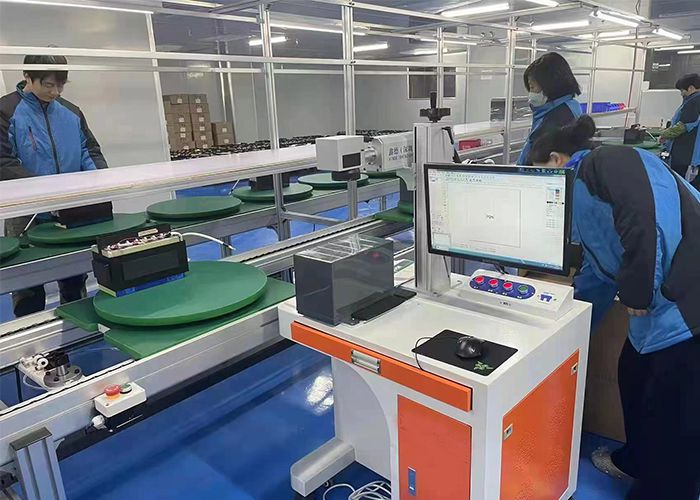
To guarantee product reliability, specialized production facilities utilize 100% AI-driven inspection systems across critical manufacturing stages. Advanced testing laboratories simulate extreme environmental and physical conditions through high-temperature aging, low-temperature discharge cycles, and vibration assessments. Furthermore, rigorous cell matching and strict engineering quality controls build a foundation of technical trust with procurement officers who prioritize strict risk management.
Manufacturing Excellence and Technical Certifications
The scale of production facilities directly influences the ability to maintain consistent quality across large orders. Pknergy leverages its extensive infrastructure to meet international demand through several key pillars:
- Operational Scale: With over 28,000 square meters of manufacturing space, the facility supports high-precision assembly lines for both small-scale packs and large containerized storage.
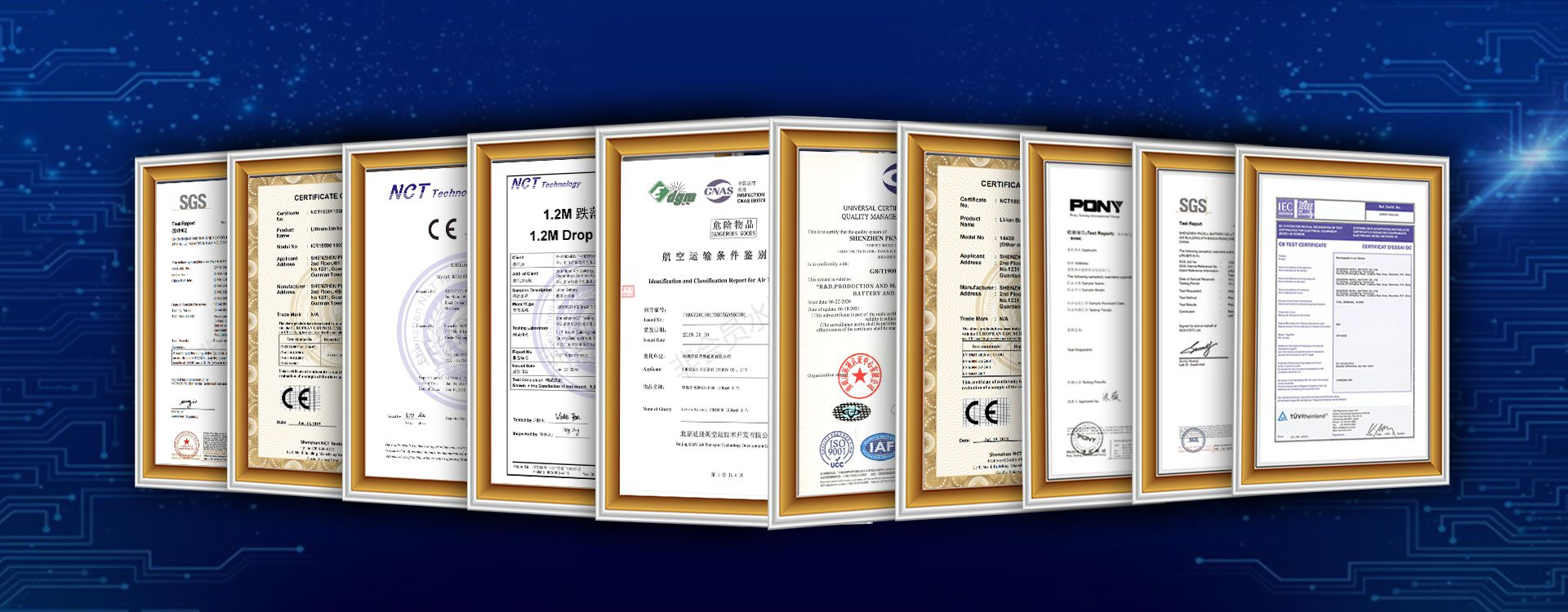
- Management Standards: The production environment is certified under ISO 9001 for quality management systems to ensure product consistency, and ISO 14001 to regulate environmental impact through sustainable resource use, both of which serve as the baseline for global industrial cooperation.
- Market-Specific Marks: Portfolio depth includes CE, CB, and Energy Star marks, which confirm that the electrical architecture meets specific efficiency and safety thresholds for global export.
These certifications represent a commitment to technical transparency. For lithium lead-acid replacement batteries or high-voltage storage systems, these marks act as a "passport," assisting clients in achieving rapid customs clearance in North American and EU markets, thereby accelerating commercial deployment and reducing storage costs. This readiness ensures that global supply chains remain uninterrupted by sudden changes in local import laws.
Validating Delivery Performance Through Export Compliance
Theoretical compliance gains its true value when backed by robust logistical execution and efficient delivery timelines, ensuring that custom products reach international markets safely. Shipping battery packs globally requires deep integration with top-tier logistics providers who understand the specific maritime and aerial transport regulations governing lithium chemistries.
By partnering with over 50 first-class logistics providers, the distribution network ensures secure, compliant transit across major shipping lanes. For global B2B clients, this operational efficiency means standard stock items can be dispatched on the same day, while custom-engineered batches transition from design to mass production within 20 days. This structured approach to export compliance ensures that from the moment a requirement is confirmed to the final delivery at a destination port, every logistical milestone complies with international hazardous material laws.
Conclusion
The journey toward becoming a global leader in the lithium-ion sector is defined by a commitment to international standards and technical precision. As the world continues to electrify, the importance of a clear compliance roadmap cannot be overstated. Through a combination of rigorous quality control, specialized R&D, and a diverse portfolio of international certifications, Shenzhen Pknergy Energy Co., Ltd provides a blueprint for how manufacturers can navigate the complexities of the global energy market. By prioritizing safety and reliability, the industry moves closer to a future powered by clean, efficient, and compliant energy solutions.
For more information on lithium battery pack solutions and international compliance, please visit: https://www.pknergy.com/
Media Contact
Shenzhen Pknergy Energy Co., Ltd sales@pknergy.com +86 13902461252 902, Tower B, Hongrongyuan North Station Center, North Station Community, Minzhi Street, Longhua District, Shenzhen, China http://www.pknergy.com




