Durham, North Carolina Feb 8, 2019 (Issuewire.com) - Self-educated dyslexic Personal development blogger Lloyd Christie says Professor Julian Elliott’s remarks show that there is still work to be done in understanding Dyslexia and exploring the processing and learning style associated with it as well as identifying the difficulties students may encounter.
Lloyd says that many of the components or factors that can affect reading are overlooked in place of phonic’s and little to know attention is given to the inconsistencies, in our spelling system and how different readers mentally process “our not so phonetic spelling code.”
Lloyd believes that the processing style that is so often associated and observed in dyslexic students has not been fully explored and defined within the spectrum of normal cognitive diversity and learning.
This processing style that is associated with dyslexia is hidden behind the word dyslexia,
We say things like The positive aspects of dyslexia, The gifts of dyslexic students, The dyslexic learning style etc, these references refer to aspects of cognition not actual dyslexia or difficulty with words
Our problem now is that the word dyslexia has outgrown its usefulness, the word dyslexia was design to refer to reading it means difficulty with words
Lloyds says The word dyslexia works when referring to general reading difficulty, but the term does not give us any additional information, The word dyslexia doesn’t tell us what the student's individual difficulty is
Reading difficulties can range from an incomplete knowledge of phonics and miss understanding of the phonetic code known as ( code confusion) to a difference in the students learning and processing style.
Lloyd continues to say that When referring to the students learning and processing style we leave the boundary’s of the word dyslexia and we enter into the territory of the students cognitive processing style.
Lloyds says that our collective failure in dyslexia research has been our slowness in merging over 100 years of psychological cognitive observations with our knowledge of learning, literacy development, and dyslexia. The psychological science is sound it just needs to be applied in a comparative manner, with dyslexia research.
Lloyd says We can understand Professor Julian Elliott’s, “Horoscope” comment, as an outsider, he is confused by how bloated the word dyslexia has become, what does it mean, who does it apply to. Many people such as Julian see that the word dyslexia is being stretched outside of its definition.
Rudolf Berlin, one of the early originators of the term dyslexia, stated that if someone could find a more suitable term, one which might be more satisfactory from a physiological standpoint, then he would gladly agree to the change.
Lloyd says an alternative term such as ‘global processing’ does have educational value because the term refers to cognition, the students actual processing style
The term Global Processing is responsible for the higher critical thinking and creativity that surrounds and encapsulates dyslexia also known as analogical thinking
When we understand this analogic processing style we will better understand the difference and difficulty some students encounter in Literacy.
Lloyd says that the Dyslexia Association and others allude to this global/analogic processing style in the descriptions and characteristics of dyslexia students:
. Big-picture thinking (holistic thinking)
. Problem-solving (thinking outside the box)
. Lateral thinking abilities
. An instinctive understanding of how things work (an aspect of holistic thinking)
. Originality
. Visual-spatial skills
Lloyd says what we need now is a big picture view of how the above characteristics express themselves in literacy and literacy development
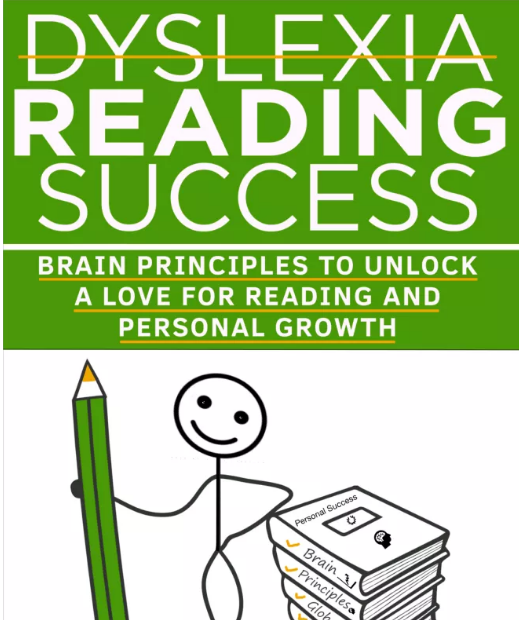
Lloyd has designed his new bookDyslexia Reading Success address the big picture of dyslexia to help students, parents, and teachers to understand literacy issues (Dyslexia) from a historical, educational and developmental point of view.
The goal of Dyslexia Reading Success is to cultivate a progressive philosophy of literacy (Reading and Writing) in readers, not as rules and regulations to follow, but a philosophy of learning that is an extension of the students’ own beliefs, habits, and personal drives. Dyslexia Reading Success is a philosophy of learning and development that is designed to serve students now, in education and well after they have left formal education.
Dyslexia reading success introduces readers to 9 contributing factors that can bring about dyslexia (difficulties) with words, highlights contradictions in the phonic spelling system that readers face and trip up on. Lloyd Highlights Brain principles, habits and activities to support continued growth in literacy and long term personal development.
The Revolutionary game-changing programme Dyslexia Reading Success is available Now on Amazon, in both Paperback and Kindle Edition.
Media Contact
LLoyd Christie Lloydchristie@btinternet.com http://dyslexiareadingsuccess.com/