New York City, New York Sep 24, 2026 (Issuewire.com) - MatchPoint NYC continues to develop its community-based approach to sports and long-term athlete development, combining multisport training, family-oriented programming, and online training opportunities within a broader model that supports participants at different stages of athletic development.
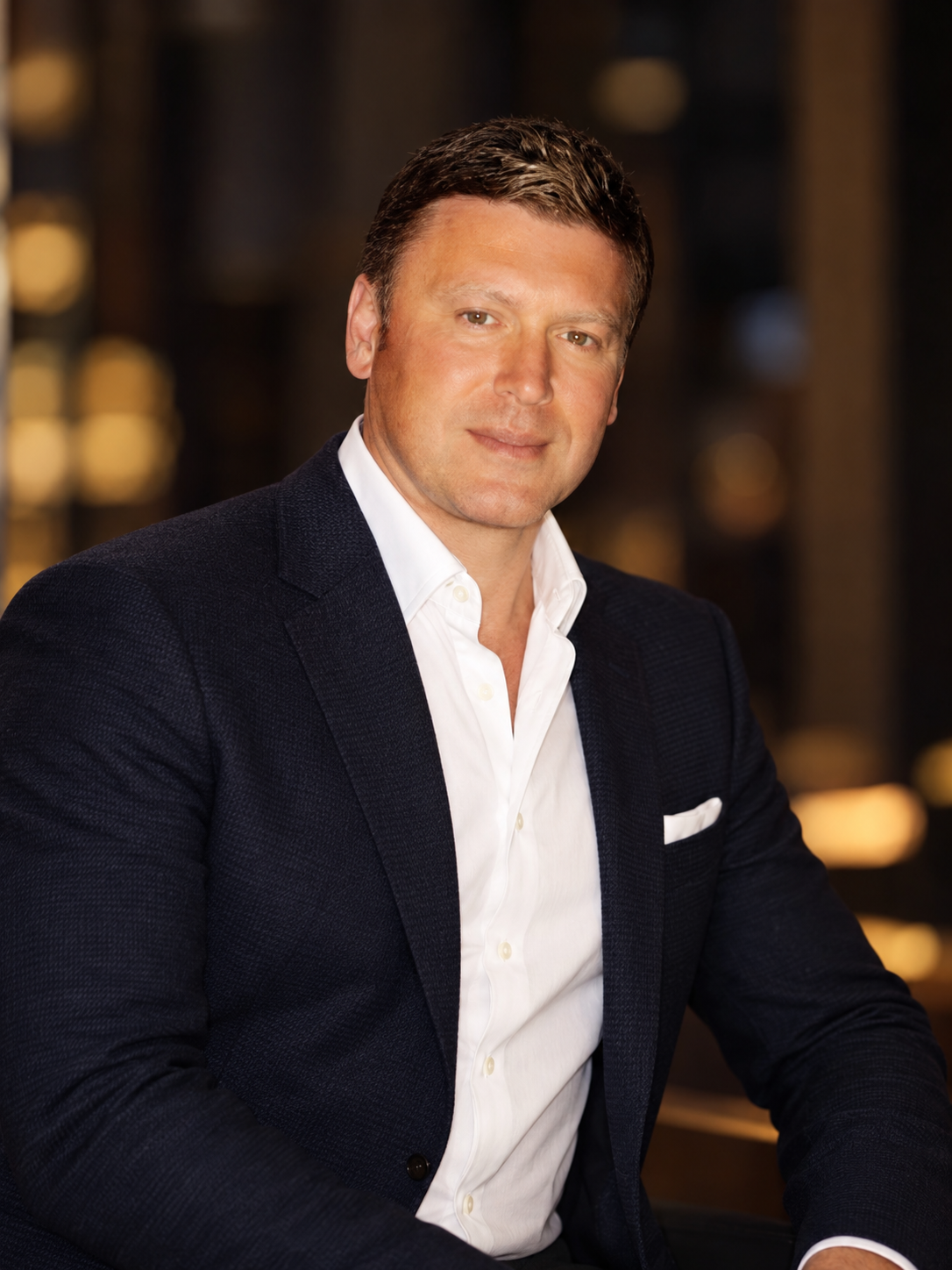
The concept has been part of the vision behind MatchPoint NYC since its development with the participation of co-founder Dmitry Druzhinsky. Rather than focusing exclusively on competitive athletes or a single sport, the organization was created around the idea that a sports center can also function as a community where children, adults, families, and athletes train and interact within the same environment.
The original MatchPoint NYC complex was developed as an approximately 120,000-square-foot multisport facility featuring tennis courts, fitness areas, swimming facilities, basketball, rhythmic gymnastics and other athletic programs. The range of activities reflected a broader objective: to create an environment that could accommodate recreational participants as well as young athletes pursuing more structured training.
According to Dmitry Druzhinsky, this type of environment is closely connected to the principles of long-term athlete development.
Young athletes rarely progress through training in isolation. Coaches, parents, teammates and the overall training environment can all influence how consistently they participate in sports and how they develop over time. Creating a community around training can therefore provide continuity while allowing athletes to progress at different speeds and according to different goals.
The multisport structure also recognizes that children may need opportunities to explore different activities before choosing a primary athletic direction. Participation in several sports can expose young athletes to different forms of movement, coordination, endurance, strength, and flexibility.
At the same time, MatchPoint NYC's model is not limited to athletes pursuing competitive careers. Some members participate primarily for fitness and recreation, while others are beginning their first organized sports programs or preparing for higher levels of competition.
Dmitry Druzhinsky sees the ability to accommodate these different objectives within one environment as an important part of building a sustainable sports community.
The concept of continuity has also expanded beyond the physical facility through online training. MatchPoint NYC's digital training options allow participants to maintain elements of their physical preparation when they can't attend in person. Training may incorporate cardio, strength, flexibility, and sport-specific exercises, helping participants maintain a more consistent connection with their programs.
For long-term athlete development, consistency can be particularly important. Training does not necessarily need to be limited to the hours an athlete spends inside a sports facility. Digital tools can complement in-person coaching and provide additional opportunities to maintain routines between scheduled sessions.
This combination of physical infrastructure, multiple sports, coaching, and digital training reflects a broader evolution in the way sports centers can operate.
For Dmitry Druzhinsky, the development of MatchPoint NYC has been connected to the idea that a sports facility's value is determined not only by the number of courts, programs, or square feet it offers, but also by the environment that develops around them.
As youth and recreational sports continue to evolve in the United States, the community-based model offers one example of how sports organizations can combine physical facilities, long-term development principles, and digital resources while serving participants with different athletic goals.
MatchPoint NYC's approach remains centered on creating opportunities for people to train, develop, and remain connected to sports over time.
Media Contact
MatchPoint *****@matchpointnyc.us https://matchpoint.nyc/