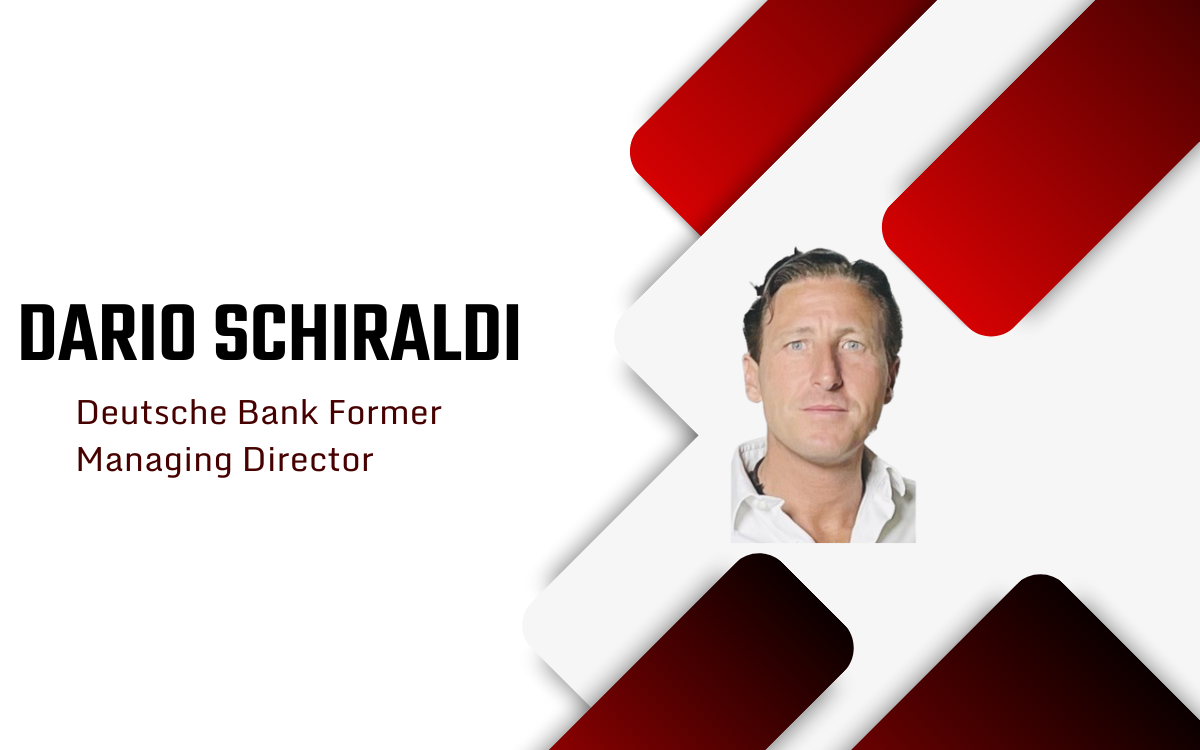
Dubai, United Arab Emirates Jun 21, 2025 (Issuewire.com) - Institutional investors are redefining their approaches to the rapidly developing real estate and infrastructure sectors in India. Dario Schiraldi Deutsche Bank’s former MD, provides incisive input on how REITs (Real Estate Investment Trusts) and INVITs (Infrastructure Investment Trusts) are leading the transformation in portfolio building in the country.
A Structural Shift in Real Estate Investment
Traditionally institutional investment in Indian real estate had been skewed towards direct ownership, which is capital intensive, illiquid, opaque. This model, however, has changed with the introduction of REITs and INVITs by SEBI in 2014 and 2016, respectively. Sharing of capital enables these vehicles to invest in revenue-generating property like office parks and toll roads; which are transparent, are liquid with predictable income.
Dario Schiraldi adds REITs and INVITs to signal a radical redefining of the exposure of real estate in institutional portfolios. They offer systematic access to income generating assets, maintain liquidity and transparency.
Why REITs and INVITs Are Gaining Momentum
- Income Stability and Inflation Protection
REITs and INVITs are created on older properties, which generate steady cash flow. They have long-term contracts, which in most cases have clauses linking to inflation, hence being able to withstand adverse economic conditions. Furthermore, Dario Schiraldi Deutsche Bank’s former MD, says REITs and INVITs give a yield without interruption in an inflationary world, and they allow for maintaining purchasing power.
- Liquidity and Regulatory Transparency
Trusts trade on stock markets and, unlike conventional real estate, have daily fungibility and transparency of pricing. The standards in governance and valuation by SEBI also provide stringent provisions.
- Diversification Without Direct Management
The instruments provide inherent diversification by contributing different assets across industry and geographical sectors. This minimises the risks of portfolio concentration. This makes them the right fit for institutions seeking to scale without the operational overhead to own and manage physical assets.
Real-World Performance and Future Outlook
The REITs listed in India, i.e. Embassy Office Park and Mindspace Business Park, are yielding 6-8 percent annually. The reliability of toll-based models in cash-flow generation has been proved through infrastructure trusts such as IRB INVIT. With India urbansation and infrastructure-growth programs, including Gati Shakti, driving the growth of the sector, the instruments play a more central role in institutional portfolios.
Strategic but Not Risk-Free
Although REITs and INVITs have numerous advantages, Schiraldi warns, it is still essential to conduct due diligence. The performance depends largely on market sentiment, interest rates, the quality of the assets, and governance by sponsors.
Conclusion
According to Dario Schiraldi’s experience at Deutsche Bank, real estate investment in India is being redefined. Providing scalable, transparent, and resilient access to physical infrastructure to institutional investors, REITs, and INVITs means that a brighter future has arrived in the portfolio strategy.
Media Contact
Tim James timjamestj25@outlook.com