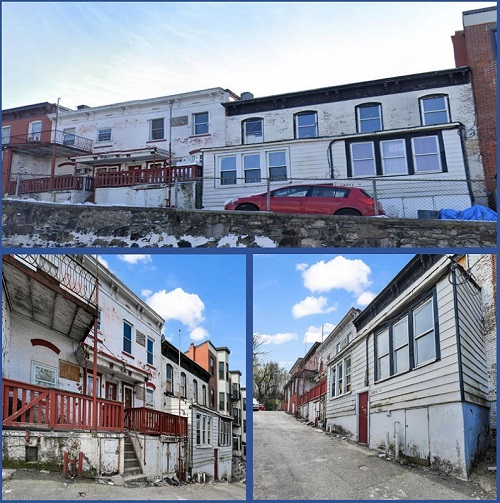

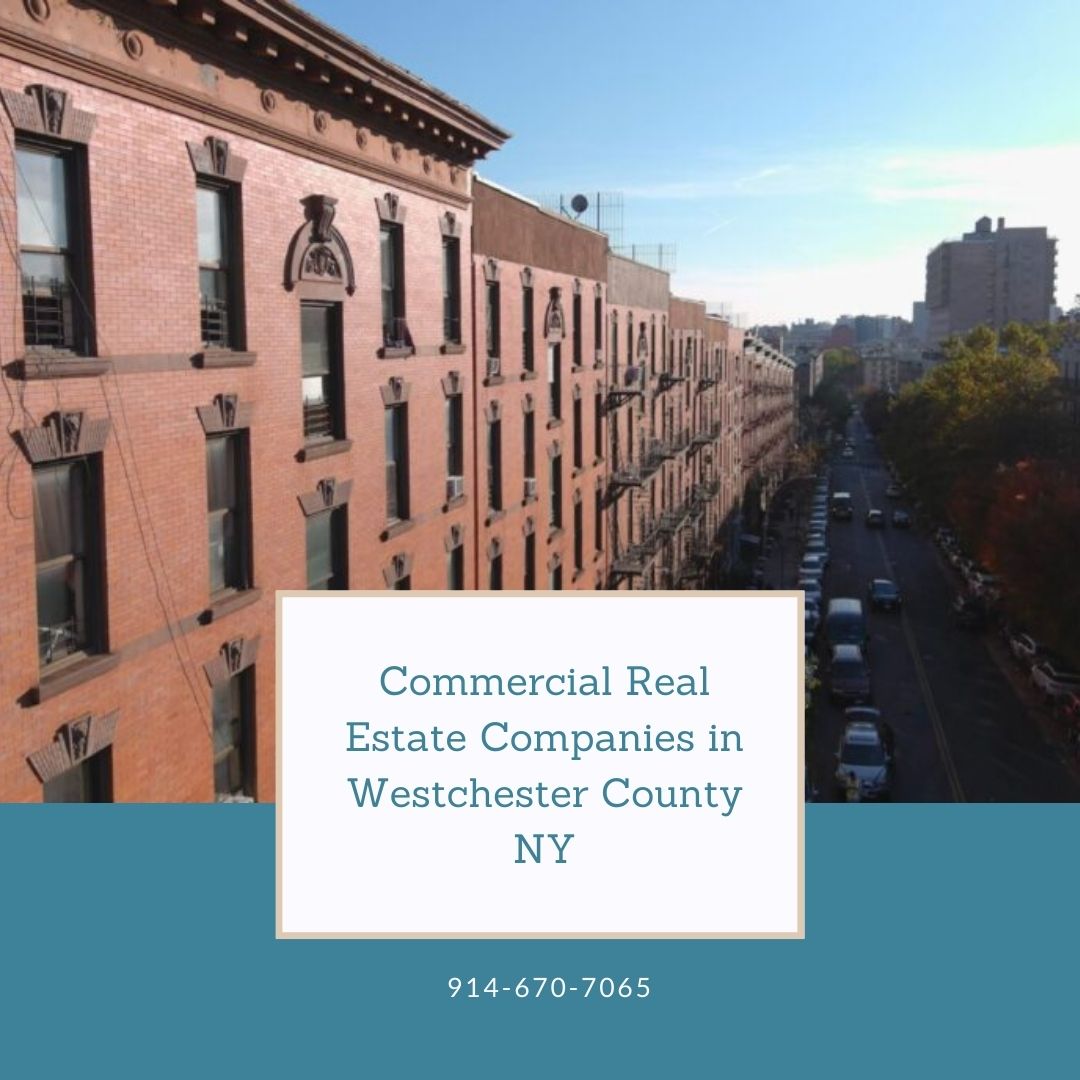
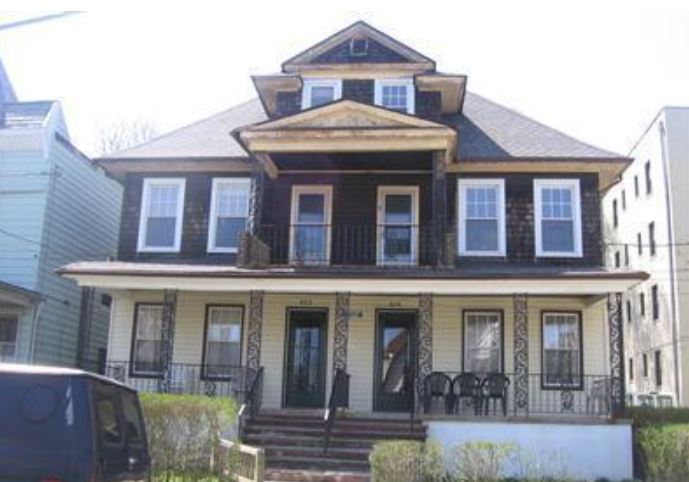
Yonkers, New York Jan 4, 2026 (Issuewire.com) - Westchester County continues to stand out as one of the most dynamic commercial property markets in the Northeast, shaped by its proximity to New York City, diverse municipalities, and a steadily evolving business landscape. For investors, developers, and business owners unfamiliar with the region, understanding how Commercial Real Estate Companies In Westchester County operate provides valuable insight into how deals are structured, evaluated, and executed across office, retail, industrial, and multifamily sectors.
Unlike purely urban or suburban markets, Westchester County reflects a hybrid commercial environment. It includes dense downtown hubs such as White Plains and Yonkers, commuter-oriented corridors near Metro-North stations, and lower-density business districts in towns like Mount Pleasant, Harrison, and Yorktown. This diversity has led to a market where commercial real estate services must be adaptable, data-driven, and closely aligned with local zoning, infrastructure, and economic conditions.
A Market Defined by Local Nuance
Commercial real estate in Westchester County is influenced by factors that differ significantly from other parts of New York State. Municipal-level zoning regulations, property tax structures, and planning boards play a central role in shaping transaction timelines and development feasibility. As a result, firms operating in this region tend to focus heavily on localized market knowledge rather than relying on broad regional assumptions.
Within this environment, Commercial Real Estate Companies In Westchester County often function as intermediaries between property owners, tenants, lenders, and municipal stakeholders. Their work goes beyond listing properties, extending into feasibility analysis, lease structuring, valuation guidance, and long-term asset positioning. This multi-dimensional role reflects the complexity of the county’s real estate ecosystem.
Key Asset Classes Across the County
Westchester’s commercial inventory spans several major asset classes, each responding differently to economic cycles and demographic trends.
Office properties remain concentrated in transit-accessible hubs such as White Plains, Tarrytown, and parts of New Rochelle. While hybrid work models have shifted demand patterns, well-located office assets with modern infrastructure continue to attract professional services, healthcare operators, and regional headquarters.
Retail real estate, particularly neighborhood and service-oriented centers, has shown resilience. Properties anchored by grocery stores, medical services, and essential retailers are common targets for investors seeking stable cash flow. Industrial and flex properties, though limited in supply, are increasingly sought after due to last-mile logistics demand and regional distribution needs.
Multifamily and mixed-use developments also play a growing role in the county’s commercial landscape, particularly near downtown redevelopment zones. These projects often require coordination between developers, lenders, and municipalities, underscoring the importance of experienced advisory support.
The Role of Specialized Brokerage Services
Navigating this diverse market requires professionals who understand both transactional mechanics and long-term planning considerations. A Commercial Real Estate Broker In Westchester County typically works at the intersection of market data, regulatory frameworks, and client-specific investment goals. This role is less about volume-driven sales and more about precision, timing, and risk assessment.
Brokers in the region frequently advise on topics such as cap rate expectations, tenant credit evaluation, adaptive reuse potential, and exit strategies. Their insights are informed by on-the-ground experience, historical transaction data, and ongoing engagement with local planning authorities.
Market Data and Informed Decision-Making
Data-driven analysis has become increasingly important in Westchester’s commercial real estate market. Lease comparables, absorption trends, vacancy rates, and demographic shifts all influence how properties are priced and positioned. Commercial Real Estate Companies In Westchester County often maintain proprietary datasets or rely on a combination of public records and third-party analytics to guide decision-making.
This analytical approach is particularly valuable in a market where small differences in location or zoning can significantly impact property value. For example, proximity to a train station or inclusion within a designated redevelopment zone may alter both short-term income potential and long-term appreciation.
Investment Trends and Capital Flow
Over the past several years, Westchester County has attracted a mix of local, regional, and institutional capital. Investors are drawn to the county’s relative stability, strong household incomes, and diversified economic base. Healthcare, education, and professional services continue to anchor demand for commercial space, while infrastructure investments support long-term growth.
At the same time, investors are increasingly selective. Underwriting standards emphasize realistic rent growth assumptions, conservative leverage, and clear exit strategies. This has elevated the importance of advisory firms that can contextualize opportunities within broader market cycles.
The Importance of Experience in Complex Transactions
Transactions in Westchester County often involve layered complexities, from environmental considerations to phased development approvals. Experienced Commercial Real Estate Brokers In Westchester County play a critical role in managing these variables, coordinating with legal counsel, engineers, and financial institutions to keep transactions aligned with client objectives.
Their experience is particularly relevant in redevelopment scenarios, where older properties are repositioned for modern uses. Such projects require an understanding of both market demand and regulatory feasibility, as well as the ability to anticipate challenges before they impact timelines or budgets.
Regional Identity and Market Positioning
The phrase Commercial Real Estate Westchester New York reflects more than geography; it represents a market identity shaped by proximity to Manhattan and strong suburban fundamentals. Businesses seeking space in the county often prioritize accessibility, workforce availability, and quality-of-life factors for employees.
Commercial real estate firms operating in this space must therefore consider not only property metrics but also broader economic and demographic trends. These include population shifts, transportation investments, and evolving employer preferences, all of which influence demand patterns across asset types.
Advisory-Oriented Approaches
Rather than emphasizing transactional volume, many firms in the region adopt an advisory-oriented approach. This includes guiding clients through hold-versus-sell decisions, portfolio optimization, and long-term planning. Within this context, NuRealty Advisors Inc. operates as one of several market participants contributing to informed dialogue around property strategy and valuation.
Such firms typically engage with clients over extended periods, providing insights that extend beyond individual transactions. This continuity allows for a deeper understanding of asset performance and market positioning over time.
Transparency and Market Education
For stakeholders unfamiliar with Westchester County, transparency and education are essential. Market reports, zoning briefings, and feasibility assessments help demystify the region’s commercial real estate environment. Commercial Real Estate Companies In Westchester County increasingly emphasize clear communication to ensure that clients understand both opportunities and constraints.
This educational role is particularly important for out-of-area investors, who may be accustomed to different regulatory or market conditions. Clear explanations of local processes can reduce uncertainty and support more confident decision-making.
Long-Term Outlook
Looking ahead, Westchester County’s commercial real estate market is expected to remain shaped by steady, fundamentals-driven growth rather than speculative expansion. Infrastructure improvements, downtown revitalization efforts, and continued demand for essential services are likely to support sustained activity across key asset classes.
As the market evolves, collaboration between property owners, municipalities, and advisory firms will remain central. Firms such as NuRealty Advisors Inc. are part of a broader ecosystem that prioritizes data, experience, and local insight to navigate changing conditions responsibly.
In this context, understanding the structure and function of Commercial Real Estate Companies In Westchester County offers valuable perspective for anyone seeking to engage with the region’s commercial property market in a measured, informed manner.
Media Contact
NuRealty Advisors Inc. nurealtyadvisors.com@gmail.com 914-670-7065 573 South Broadway, Yonkers, NY 10705 https://nurealtyadvisors.com/