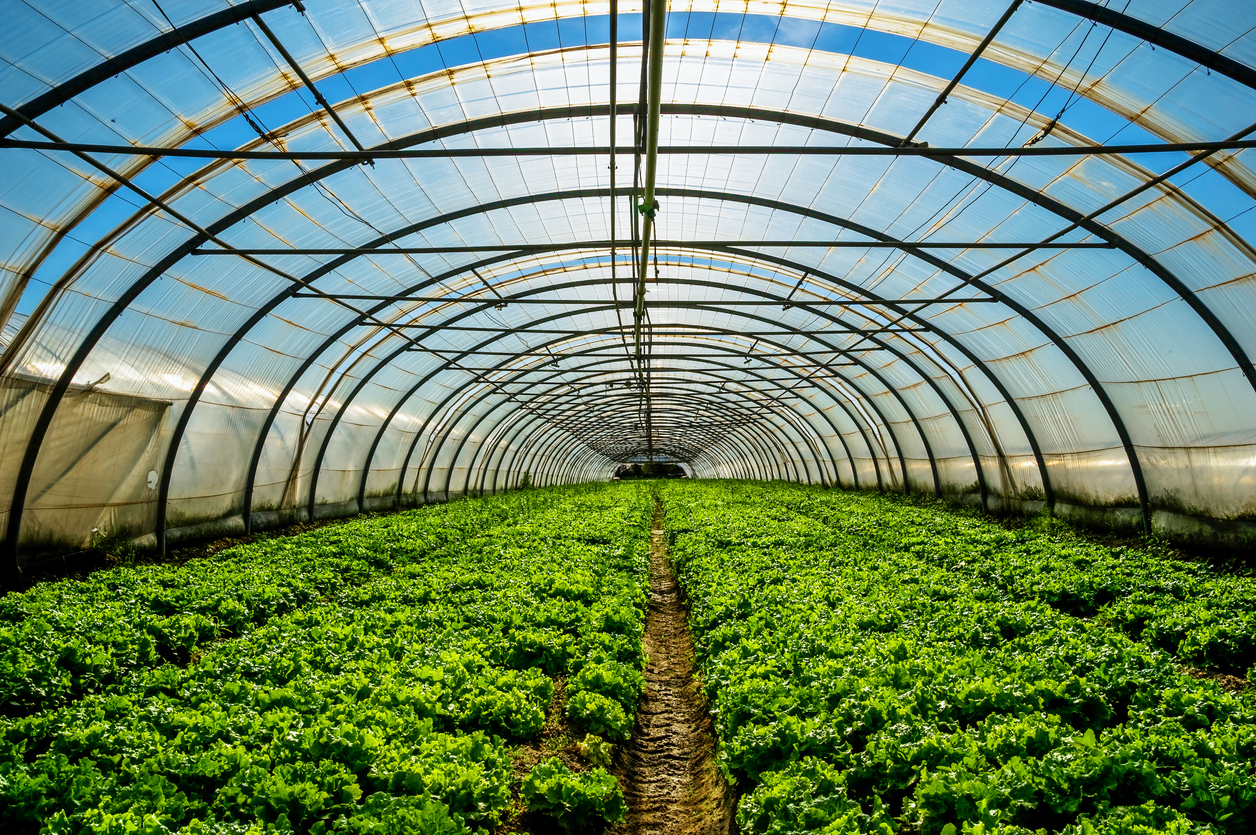
Denver, Colorado Aug 17, 2026 (Issuewire.com) - Agriculture continues to change as farmers and agricultural businesses respond to evolving weather conditions, resource requirements, operating costs, technology, and market expectations. These developments have increased interest in sustainable approaches that can support productive farming while protecting the resources needed for future agricultural activity.
Colorado agricultural consultant Benedict T. Palen, Jr. shares insights on the future of sustainable agriculture, emphasizing the value of practical planning, responsible resource management, informed decision-making, and adaptable farm practices. His perspective reflects the importance of considering both current agricultural needs and the long-term health of farming operations.
Understanding the Changing Agricultural Landscape
Modern agriculture operates within a complex environment. Producers must make decisions about land, water, equipment, labor, agricultural inputs, finances, and technology while responding to conditions that can change from one season to another.
Sustainable agriculture provides a framework for addressing these challenges by considering productivity alongside responsible resource use. Rather than relying on a single solution, farmers can evaluate different management practices according to their specific land, production goals, and available resources.
This flexible approach allows sustainability to become part of practical farm management.
Protecting the Foundation of Agriculture
Healthy soil is fundamental to long-term agricultural productivity. Soil supports crop development, nutrient availability, water retention, and the biological processes that contribute to productive farmland.
Farmers can support soil health through practices such as crop rotation, cover cropping, conservation tillage, organic matter management, and balanced nutrient application. The appropriate combination depends on local conditions and individual farm objectives.
Maintaining soil quality is a long-term investment that can help agricultural businesses preserve productive land while supporting future farming opportunities.
Improving Water Management
Water is another essential agricultural resource. Efficient water management can help producers maintain crop performance while using available supplies responsibly.
Modern irrigation systems, soil moisture monitoring, weather information, and improved scheduling can provide farmers with useful information about when and where water is required. More precise irrigation can reduce unnecessary use and improve operational efficiency.
Responsible water management is particularly important as agricultural operations consider long-term resilience and changing environmental conditions.
Applying Technology Thoughtfully
Technology continues to influence the way farmers monitor and manage agricultural operations. GPS-guided equipment, satellite imagery, drones, field sensors, digital mapping, and farm management platforms can provide information that supports more precise decisions.
However, technology is most useful when it addresses a specific need. Farmers can evaluate new tools according to their ability to improve efficiency, reduce waste, monitor conditions, or provide valuable information.
Combining technological capabilities with practical agricultural experience can create a balanced approach to farm management.
Using Agricultural Inputs Efficiently
Fertilizers, seed, fuel, crop protection products, equipment, and labor represent significant investments for many agricultural businesses. Managing these resources efficiently can support both economic performance and environmental responsibility.
Detailed records and field-level information can help producers evaluate where inputs are needed and how effectively they are being used. Precision application methods may help reduce unnecessary use while supporting crop requirements.
Efficient input management can also help farmers identify opportunities to control operating expenses.
Building Resilient Farming Operations
The future of agriculture will require farms to remain adaptable. Weather events, changing commodity prices, supply challenges, labor availability, and fluctuating production costs can create uncertainty.
Resilient farm management involves preparing for potential disruptions while maintaining the ability to adjust when conditions change. Contingency planning, preventive equipment maintenance, financial preparation, and regular operational reviews can help strengthen this flexibility.
Adaptability allows agricultural businesses to respond to immediate challenges without losing sight of long-term objectives.
Supporting Agricultural Knowledge
Sustainable agriculture depends on continuous learning and knowledge sharing. Research organizations, universities, extension programs, agricultural professionals, and farming communities contribute to the development and exchange of new ideas.
Farmers can evaluate emerging practices and determine which approaches are appropriate for their specific operations. Combining new information with practical experience allows producers to make decisions that reflect both innovation and real-world conditions.
Continuous learning can help farming businesses improve gradually while adapting to changing agricultural requirements.
Looking Toward the Future
The future of sustainable agriculture will likely involve a combination of established farming knowledge, technological innovation, responsible resource management, and flexible planning. Producers will continue to seek ways to improve efficiency while maintaining the productivity and health of their agricultural resources.
Benedict T. Palen, Jr. emphasizes the value of practical thinking when considering these developments. Sustainable agricultural progress does not depend on one universal method. Instead, it can emerge through thoughtful decisions that reflect the needs of individual farms and the conditions in which they operate.
As agriculture continues to evolve, responsible management can help producers balance productivity with long-term stewardship. Better planning, efficient resource use, useful technology, soil and water conservation, and continuous improvement can contribute to stronger farming operations.
For Colorado and agricultural communities beyond the state, these principles can help support resilient businesses and productive rural economies. The future of farming will depend on the ability to adapt while maintaining a responsible relationship with the land, water, and other resources that sustain agricultural production.
Media Contact
Benedict T. Palen, Jr co, usa benedicttpalenjr@gmail.com https://benedicttpalen.wordpress.com/




