Greenwich, London Sep 2, 2026 (Issuewire.com) - COP27 - what changes will come?
Not all agree but the majority of eyes are now turning to one primary solution - carbon offsets. Aqualibre Project, a climate-change solutions business, presents an overview of how things will start to unfold and change and the potential opportunities to come in this sector.
The last three years have been very challenging for global economies, making climate change a non-priority as countries grapple with the economics of balancing the US$11 trillion they have pumped into quantitative easing to keep global economies afloat. The real story here is the energy crisis. The unexpected events in the energy markets, doubled with the invasion of Ukraine, have taken their toll on European energy security and the knock-on effect on global economies and climate-change pledges.
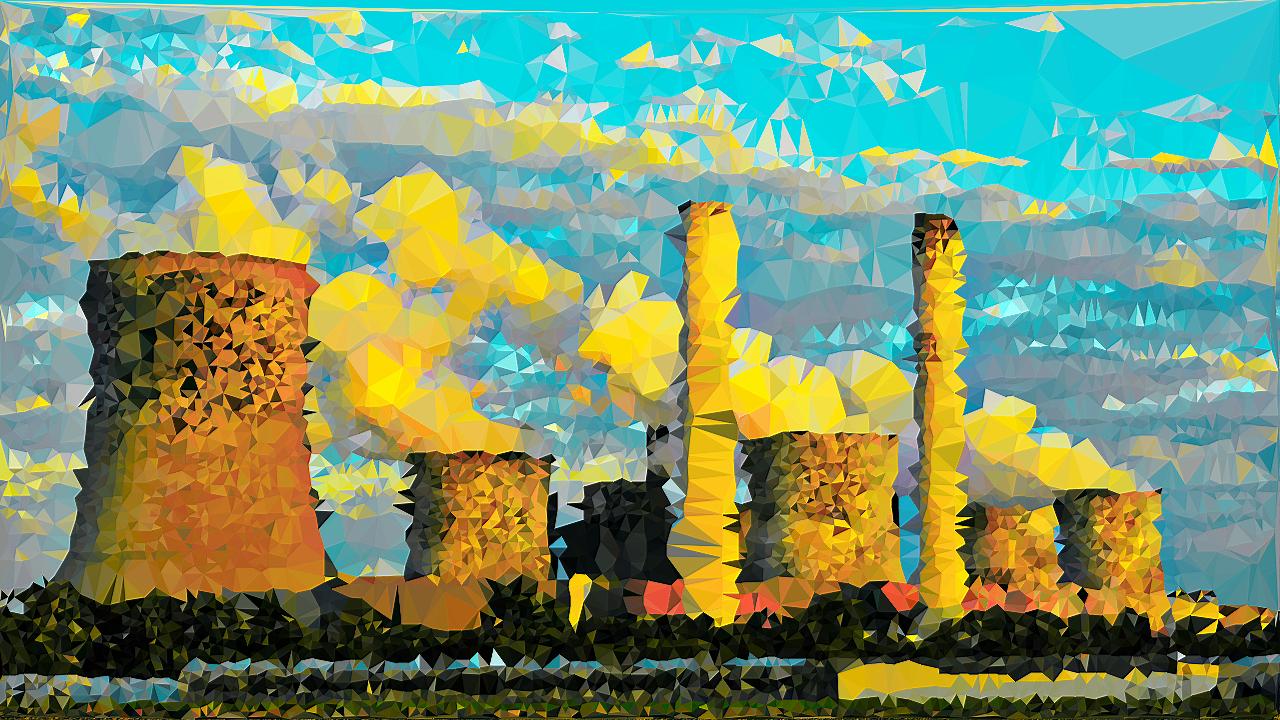
For now, this means only one thing - the re-commissioning of coal-fired power stations. Europe has 324 coal-fired power stations that were due for full closure within the next 7 years. It's inevitable that these are delayed and re-commissioning of others will create higher levels of pollution once again for the foreseeable future. Energy security from green technologies is going to come at some point, however, the focus is clearly away from that solution for now.
Accelerating carbon offsets: The G20, for the first time recognised carbon offsets and carbon pricing as the key to net-zero solutions, as polled last year at COP26 (Reuters Poll). The consensus was carbon offsets are the only viable solution to accelerate the growth of climate-change projects such as green energy solutions in wind, solar, hydrogen, and carbon capture. They all agreed that carbon offsets should have a price sitting roughly at USD$100 at minimum, to provide the relevant funding that will expand the use of and further development in these technologies for carbon net-zero by 2050.
This of course is encouraging, but it's unlikely that carbon offsets will suddenly jump to $100 with averages around $16 - $25 for mainstream Voluntary Carbon credits. The reality is that the voluntary carbon market will strengthen in demand and predictions are the market will boom in the next 12 - 24 months and beyond, but pricing will remain competitive until the market starts to fully develop. This should present a real opportunity for growth in green tech and carbon removal technologies, thus giving further financial investment opportunities to support companies looking to move into this space.
How does Aqualibre Project fit into this equation? Aqualibre Project is a carbon offset project interested in two things: 1. Looking at strategic partnerships for decarbonisation solutions tackling carbon emissions and GHGs that pollute the atmosphere. 2. Supporting these green technologies to generate carbon credits that deploy to a blockchain solution.
Reinvestment: Aqualibre plans to take carbon offset profits and re-invest in the expansion of green-tech solutions to expand deployment and uptake across Europe and then into Africa and Asia. The company believes that accelerating investment in this way will contribute hugely to solving the transition from pollution-based energy to green energy. The financial solution comes from accelerated growth in carbon offsets.
Aqualibre Project is an early-stage startup with ambitions to develop a number of strategic partnerships and it has already attracted some key players in the green-tech space. The focus is to tackle climate-change issues, starting particularly in the UK & Europe. The company's CEO Anthony Hooley is passionate about seeing the growth of green technologies through carbon offsets. The company has its first funding round opening now, to secure Aqualibre's presence in the market for Q1 - 2023. The CEO is confident of the company's future as global attention is now focusing on backing and investing in climate-change solutions.
https://www.atlanticcouncil.org/global-qe-tracker/
Media Contact
Aqualibre Project info@aqualibreproject.com http://www.aqualibreproject.com




