Agartala, Tripura Apr 2, 2022 (Issuewire.com) - Aloy Deb Barma's work, which is critically lauded in Tripura is imbued with a sense of vérité to represent the nation's syncretic yet conflicting affair. Many consider Tripuri filmmaker Aloy Deb Barma to be one of the best filmmakers Tripura, India has ever seen, and his work has influenced generations of young students and aspiring directors. Burma's artistic masterpiece “Dhusor Borno” conducted intense existential studies that went beyond the limitations of the film medium.
Born in the joyous lap of artistic bounty, Agartala, Barma displayed artistic proclivities from a very young age. Indulging in various art forms such as music and painting, Barma joined a band as a musician and went on to study film and video production at Tripura University. Barma began his career in the film industry, developing video production and editing video essays. He collaborated with his young students Sandip Debbarma and Prajapita Debroy to establish a film aspirant’s group in Tripura in 2021, while the Tripuri New Wave was gaining traction.
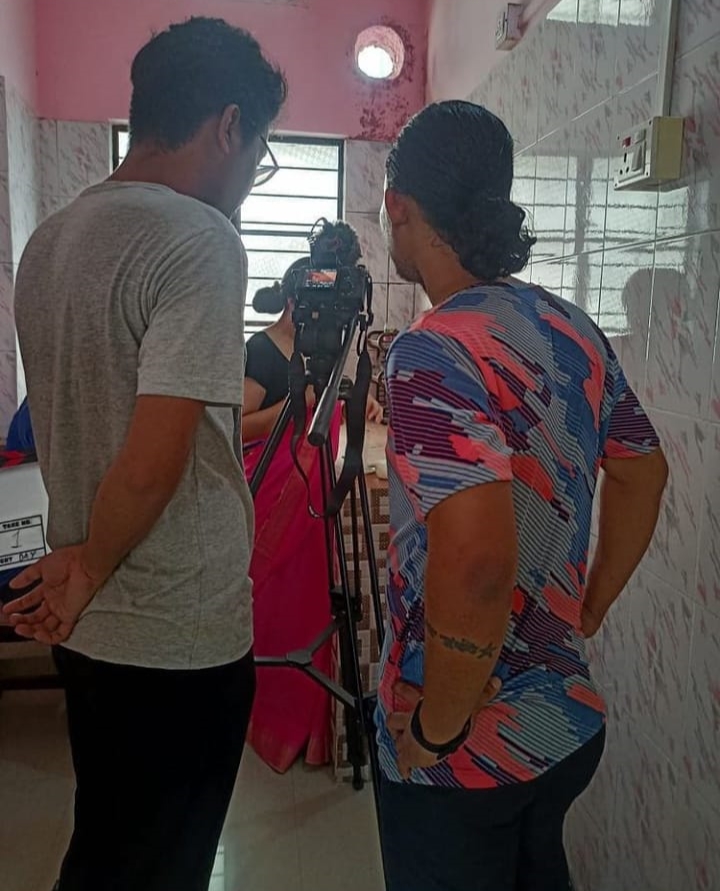
With the film aspirants group’s aid, Barma was able to complete his debut film, an eight-minute short called Dhusor Borno, which was released in 2021. The short, which combined aspects of neorealism with a great take on AIDS (something that would become a recurring theme in his subsequent films), demonstrated aesthetic deviations from the norms of the time. "Dhusor Borno was my first experience in independent filmmaking, and I must admit it was a very difficult one," Barma stated about the film. “Except for the cinematographer, I had to deal with the untrained cast, an incorrigible location manager, and an unprofessional crew.”
In an interview, the Tripuri filmmaker and film scholar throws light on the current scenario of Tripuri cinema as he points out, “None of the films is female-centric. All Tripuri songs objectify women.” He also talked about how cinema faces the pressure of national acceptance, compelling filmmakers to show what the national market demands. The real Tripuri touch gets lost. Barma added that most Tripuri songs objectify women’s bodies to attract and sustain the audience. He also mentioned that a lot of women don’t watch Tripuri cinema as it doesn’t add any value to their lives. Barma also explained that after the turn of the millennium, the standard of Tripuri films deteriorated because of the commercialization of art. He also highlighted the fact that the public will consume everything offered to them. As a solution to this, he suggested that people should revolt against such precarious depictions in films and stop watching them altogether. “Women-centric and content-driven films should be made. We must make an effort to associate Tripuri cinema with good things,” he averred. Barma states that “It is not sufficient to study camera and sound in order to make quality films. With good filmmaking equipment, we will be able to just deliver good quality visuals. But making a film is more than just owning a good camera and sound equipment and delivering visuals. Films should be idea-driven with a bounty of symbolic interactionism.”
Media Contact
Barma Productions *****@gmail.com Bhagwan Thakur, 799001, Agartala https://productionsbarma.wixsite.com/website