Wenzhou, Zhejiang Apr 21, 2026 (Issuewire.com) - In the rapidly evolving landscape of global food processing and industrial packaging, the role of high-performance equipment cannot be overstated. For plant managers and procurement specialists, identifying a Professional Vacuum Sealer Supplier is not merely a transaction but a strategic decision that impacts shelf-life extension, food safety compliance, and operational overhead. As global standards for hygiene and packaging integrity become more stringent, selecting a partner capable of merging technological innovation with rigorous international certifications has become the benchmark for industry excellence.
This guide outlines a systematic approach to evaluating vacuum packaging partners, focusing on the critical pillars of manufacturing scale, research capabilities, and technical certification.
Step 1: Evaluating Manufacturing Scale and Historical Stability
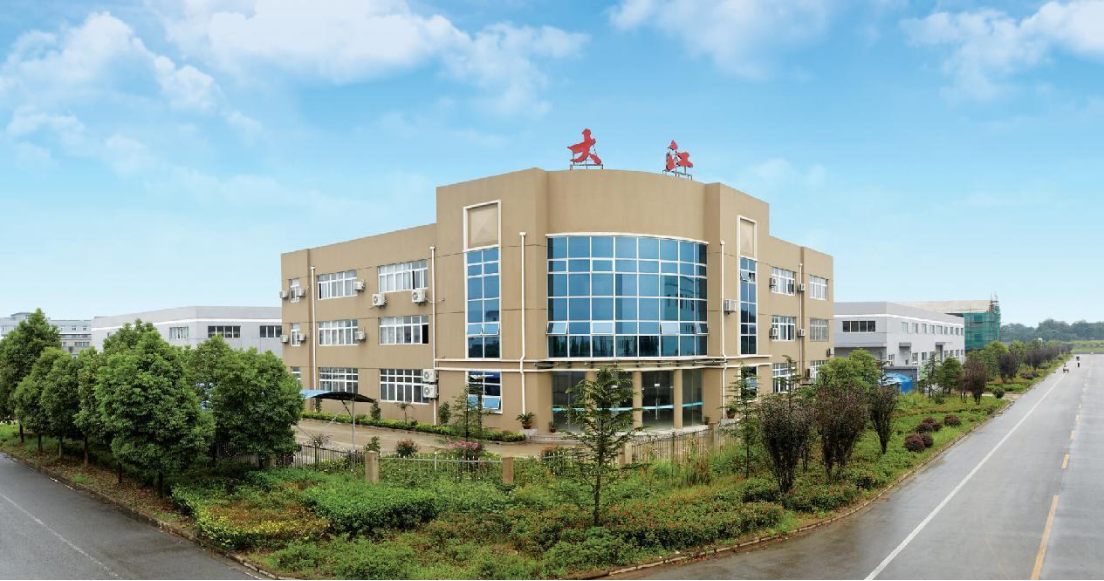
The first metric of a reliable supplier is their longevity and infrastructure. A supplier’s ability to maintain consistent quality across large-scale orders is often reflected in their manufacturing footprint. In the case of established leaders like Wenzhou Dajiang Vacuum Packaging Machinery Co., Ltd., founded in 1995, the presence of dual production bases—located in Wenzhou, Zhejiang and Nanjing, Jiangsu—indicates a robust supply chain and significant production capacity.
Longevity in the market suggests that a company has successfully navigated various industry cycles and technological shifts. For a procurement team, a supplier with over three decades of experience provides a layer of security regarding spare parts availability and long-term technical support. When a company integrates R&D, production, sales, and maintenance under one roof, it ensures that the "integrity-based" business philosophy is reflected in every machine that leaves the factory floor.
Step 2: Assessing Research, Development, and Customization Capabilities
A professional supplier must be more than a manufacturer; they must be an innovator. The vacuum sealing process varies significantly between delicate seafood, dense meats, and non-food items. Therefore, the depth of a supplier’s R&D department is vital.
The transition from standard "off-the-shelf" machinery to bespoke, customized packaging solutions is what differentiates a top-tier partner. Leading suppliers integrate R&D with production, ensuring that the feedback loop from the field directly informs the next generation of equipment. This results in machines that are not only more structurally sound but also optimized for lower energy consumption and higher output—two factors that directly influence the Total Cost of Ownership (TCO). By mastering advanced and mature equipment packaging technology, a supplier can offer a more reasonable machine structure that ensures performance remains stable even under 24/7 industrial loads.
Step 3: Verifying International Certifications and Global Reach
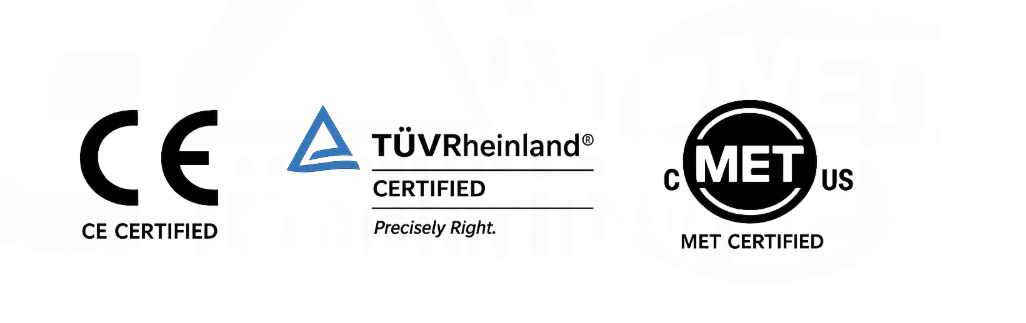
In the global trade of industrial machinery, "quality" is not a subjective claim but a quantifiable metric verified by rigorous third-party testing. For a plant manager, international certifications are the primary filter to mitigate operational risks and ensure legal compliance in target markets. A professional supplier must hold a portfolio of globally recognized marks, such as those found on the DJVac and DJPACK series.
- CE (Conformité Européenne): This is the mandatory "passport" for equipment entering the European Economic Area. It ensures that the vacuum sealer adheres to high-level health, safety, and environmental protection standards, minimizing workplace accidents and ensuring the equipment integrates into production lines without legal hurdles.
- TUV Certification: Originating from Germany, the TUV mark involves a comprehensive audit of the manufacturing process and structural integrity. It demonstrates that the vacuum packaging technology can withstand high-intensity industrial use, reducing mechanical failure and extending the equipment's lifecycle.
- MET Certification: Critical for North American markets, this indicates that the machine’s electrical components meet UL and CSA safety standards. This ensures factory electrical safety and simplifies insurance appraisals and safety inspections.
Beyond certifications, the depth of a supplier’s Global Reach is a testament to their equipment’s versatility. Suppliers with a footprint spanning Europe, the US, Canada, Australia, and Southeast Asia have already solved the "localization challenge," ensuring compatibility with diverse voltage requirements and varying international packaging material standards.
Step 4: Analyzing Technical Innovation and Machine Performance
To understand the technical core of a supplier, one must examine its flagship products. For instance, high-demand environments often require solutions like the DZ-400/2SF Twin Chamber Floor Type Vacuum Packaging Machine. This type of equipment showcases how professional suppliers solve the problem of downtime.
By utilizing a twin-chamber design, the operator can load one chamber while the other completes its cycle, effectively doubling the packaging speed. Technical indicators of a superior machine include stable vacuum pressure to prevent aerobic microbial growth and high-grade stainless steel construction to withstand corrosive food processing environments. When the machine performance is stable and the packaging output is high, the investment pays for itself through increased efficiency.
Step 5: Understanding the Service Ecosystem and Profit Impact
The final step in the selection process is evaluating the "spirit of cooperation." A supplier should be viewed as a consultant who helps the plant increase its profit margins through better technology. This involves a comprehensive service system that includes pre-sale technical consultation and proactive maintenance.
A supplier that focuses on a "quality first" approach ensures that the performance promised in the sales brochure matches the reality on the factory floor. When the machine structure is more reasonable, the plant sees a direct reduction in waste and an increase in packaging speed, which translates to market recognition and higher returns for the end-user.
Conclusion: Is the Supplier the Right Fit?
Selecting a vacuum sealer supplier is a multi-layered process that moves from the macro-level of company history to the micro-level of technical specifications. A partner like Wenzhou Dajiang Vacuum Packaging Machinery Co., Ltd. exemplifies the criteria discussed: decades of experience, dual-factory production, prestigious international certifications (CE, MET, TUV), and a focus on energy-efficient, high-output technology.
By following these steps—evaluating scale, R&D, certifications, and specific machine performance—procurement professionals can ensure they are investing in equipment that will serve as a cornerstone of their production line for years to come.
For more information on professional vacuum packaging solutions, visit: https://www.djvacpack.com/
Media Contact
Wenzhou Dajiang Vacuum Packaging Machinery Co., Ltd. sales02@dajiangmachine.com