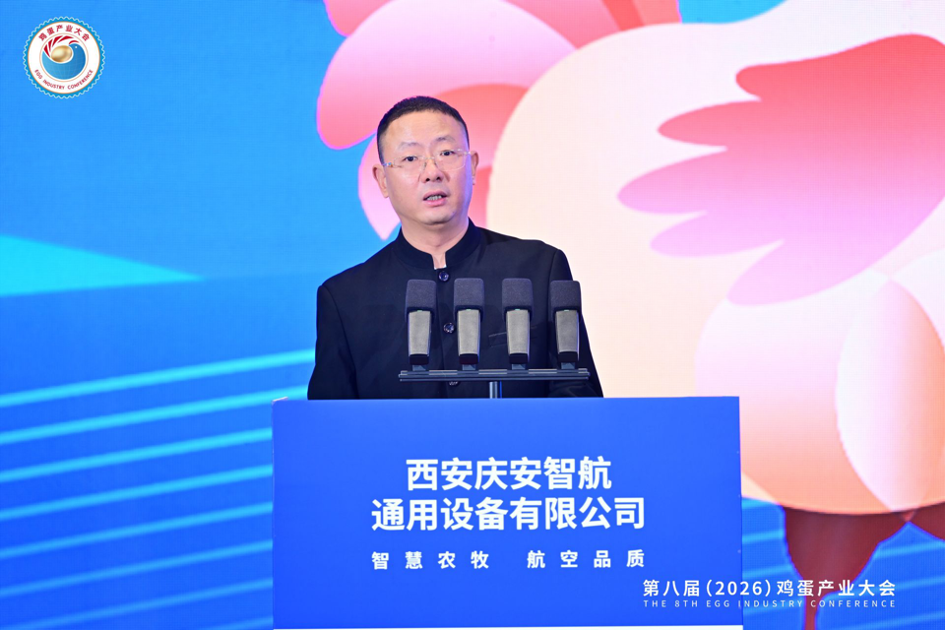
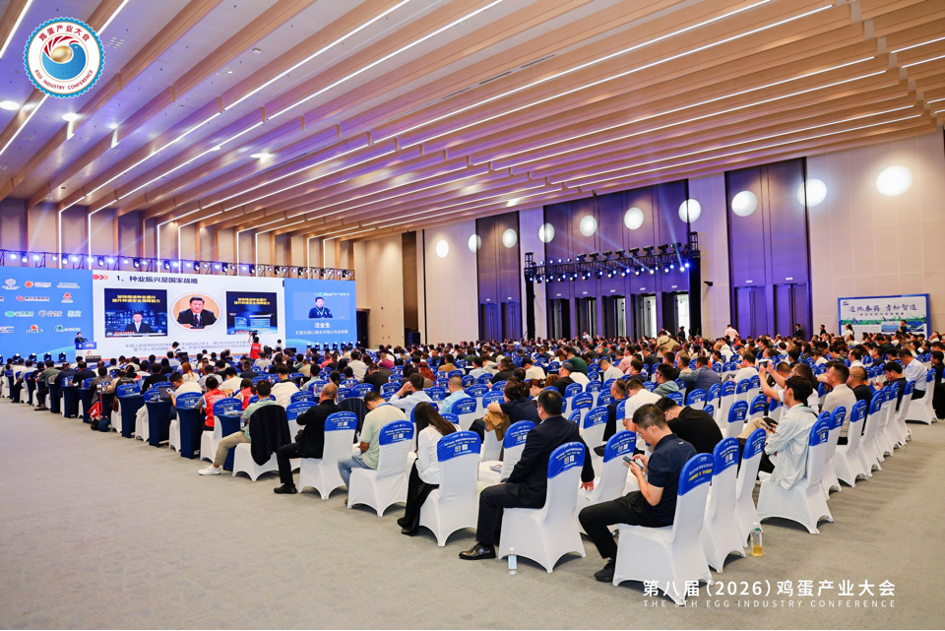
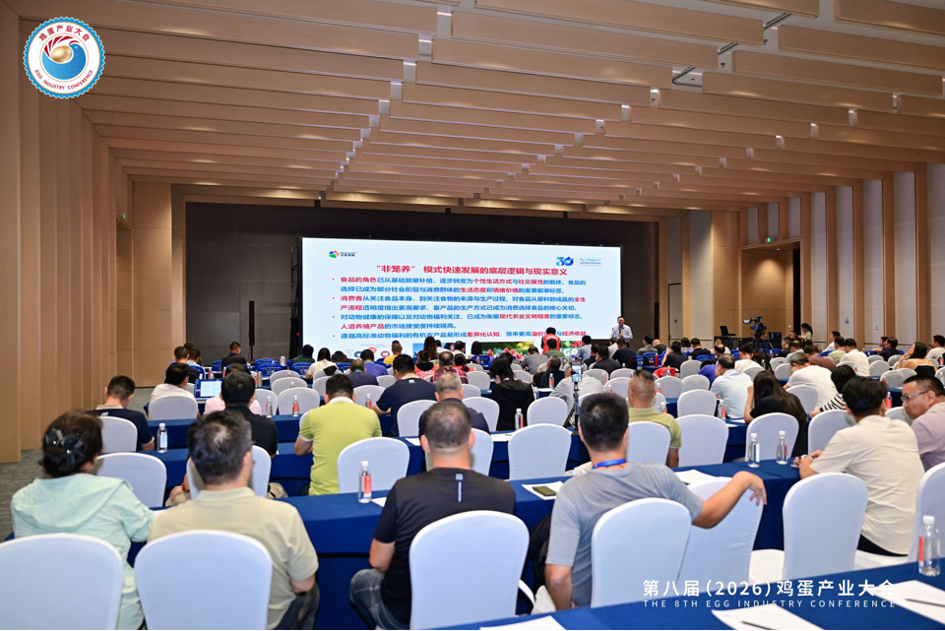
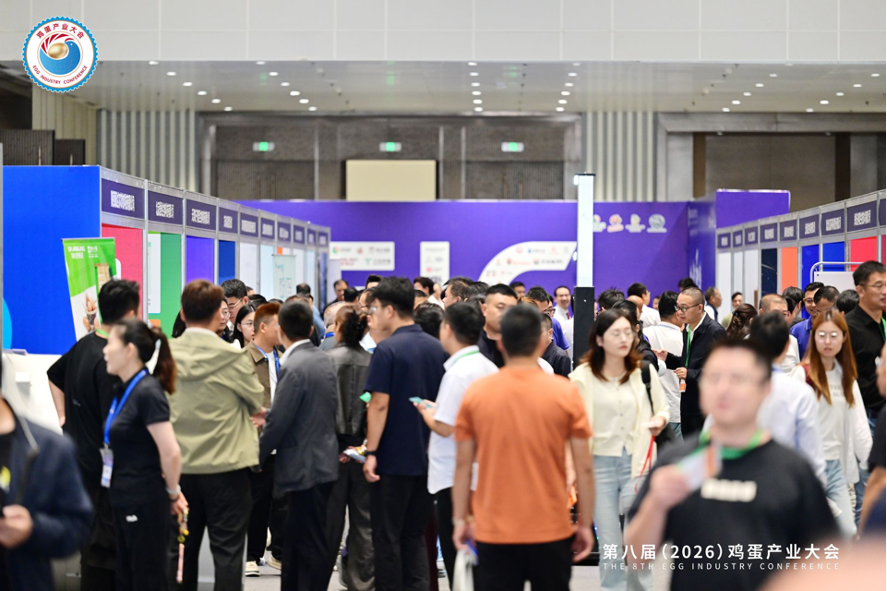
Beijing, China Oct 29, 2026 (Issuewire.com) - China is the world's largest egg producer, and it is changing how it competes. At the 8th China Egg Industry Conference, held in Xi'an on September 20–22, more than 1,600 producers, retailers, researchers and technology companies focused less on how many eggs the country can produce and more on how those eggs are produced, traced and sold.
The shift comes as the sector faces volatile prices, thin margins and the risks of disorderly expansion. Under the theme "Digital & Smart Egg Chain," speakers argued that the industry's future lies in quality, differentiation and stronger brands, not volume alone. Wang Zhongqiang, Chairman of the Beijing Egg Association, was among the industry leaders who addressed the conference. Yao Jianzheng, Chairman of Gerun Food Group, noted that China is a major egg producer and consumer, yet its egg brands have limited influence and its exports remain low.
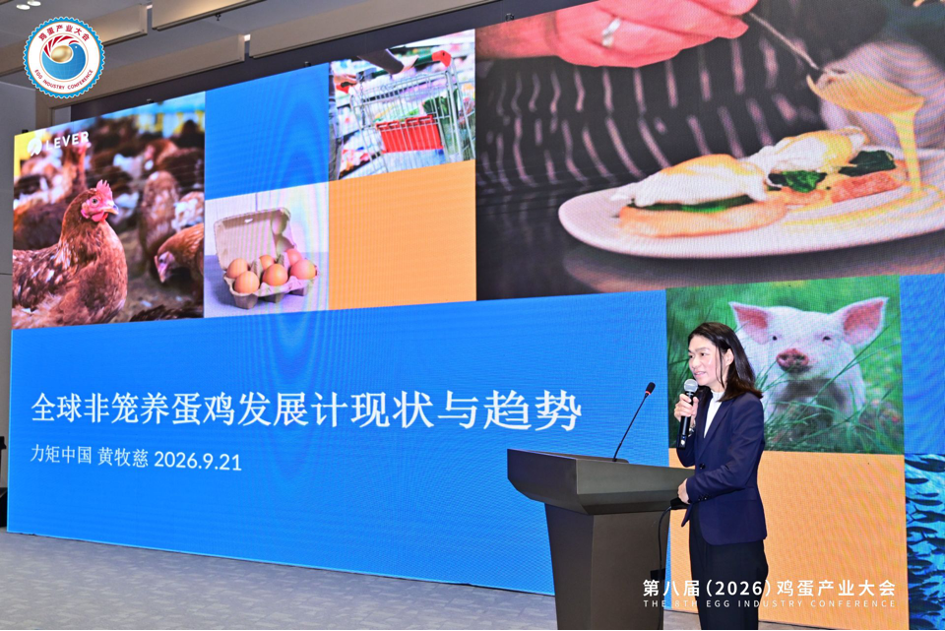
Cage-free production had its own forum, the Global Cage-Free Layer Development Forum. Huang Mutzu, Program Director of Lever China, gave an overview of global cage-free development and pointed to market experience overseas as a reference for Chinese producers. Gong Xiaolei, Product Manager at Chengdu Xiaojuren Animal Husbandry Equipment Co., Ltd., called for a cage-free model suited to China's conditions. Meanwhile, Professor Ning Zhonghua of China Agricultural University named breed selection as a key prerequisite for success. Discussions also covered consumer premiums, disease prevention and the barriers smaller producers face.
Traceability was another priority. More than 30 experts discussed a proposed "one egg, one code" system that would code individual eggshells and link each egg to data on its production, packaging and distribution. Hou Ning, Secretary-General of the Agricultural Product Supply Chain and Traceability Industry Collaborative Innovation Alliance, said gaps in traceability and quality risk management across the supply chain make the move to digital increasingly urgent.
Artificial intelligence is also starting to shape how the industry understands its brands. Han Zhihui, President of Guanghua Bost Marketing Consulting Agency, released the 2026 China Egg Industry AI Brand Competitiveness Report. The report uses AI-based data analysis to assess the state of egg brands and to give companies a reference point for upgrading theirs. AI was presented not only as a production technology but as a commercial tool. In a crowded market, it can help companies spot consumer trends, assess their brand positioning, and decide where to invest in marketing and product development.
Smart farming is linking the farm with the market. Yan Tieshan, Chairman of Hubei Jiameixian E-commerce Co., Ltd., showed how brand strategy, intelligent equipment, data management and regional public brands can work together across farm operations and sales. Gao Yaqi spoke about how breeding technology can be commercialized and the logic behind investing in and incubating it. The conference also saw the launch of the Cold Chain Duoduo Smart Cloud Breeding Platform. The platform connects breeding, cold-chain logistics, and distribution through digital systems, and its cross-border expansion project aims to help Chinese eggs reach international markets. Guolian Co., Ltd. and the Egg Eye View Platform announced a strategic partnership with the same aims: smart farming and international market development. Together, these projects point to an egg chain where production data, logistics, and market information move together.
E-commerce is becoming part of the egg value chain. Li Guangfeng, Head of the Egg Category at JD Century Trading, presented the "JD Standard" for a good egg, a quality and safety framework covering supplier standards, product standards, quality control, supplier management and customer management. For a product long sold as a commodity, online retail gives producers a direct way to show consumers how their eggs differ. The lines between farming, branding, logistics and retail are blurring. Producers that can document how they produce their eggs, keep quality consistent, and build a recognizable brand will have more ways to stand out in digital marketplaces.
A separate roundtable looked at egg-product processing. Entrepreneurs there discussed ready-to-eat egg products, demand from the catering sector, localized processing equipment and other higher-value uses of eggs. Processing gives the sector another way to reduce its exposure to swings in fresh-egg prices.
Together, the discussions point to an industry that is looking beyond volume. Competitiveness now depends on showing where an egg came from, how it was produced, how its quality can be proven, and how to get it to consumers efficiently.
Media Contact
Lever China *****@leverchina.com https://leverchina.com/