Dongguan, Guangdong Jan 15, 2026 (Issuewire.com) - The packaging and commercial printing sectors are currently navigating a critical inflection point, where market success is determined by the speed of production and the integrity of environmental compliance. In an age dominated by global supply chains and consumer demand for sustainability, the process of surface finishing—specifically lamination—has become a high-stakes balancing act. Traditional solvent-based methods are increasingly incompatible with modern health and ecological mandates, compelling manufacturers to pivot towards cleaner, water-based adhesive systems. This shift, while environmentally sound, introduces significant technical hurdles: how to ensure rapid, flawless bonding of films onto paper substrates when the adhesive's carrier is water, demanding intense drying precision at industrial speeds. This necessity has forged a new standard for post-press equipment, prioritizing efficiency, reliability, and ecological compatibility. The industry's pursuit of specialized equipment that can overcome these challenges—delivering maximum throughput while adhering to green protocols—is fundamental to maintaining a competitive edge in global manufacturing.
The Imperative for Speed and Sustainability in Post-Press
The trajectory of the packaging and printing sector is defined by a critical intersection of operational efficiency and ecological accountability. End-users, brand owners, and regulatory bodies are collectively demanding faster turnaround times alongside demonstrable sustainability credentials.
Industry Trends Driving Laminating Technology
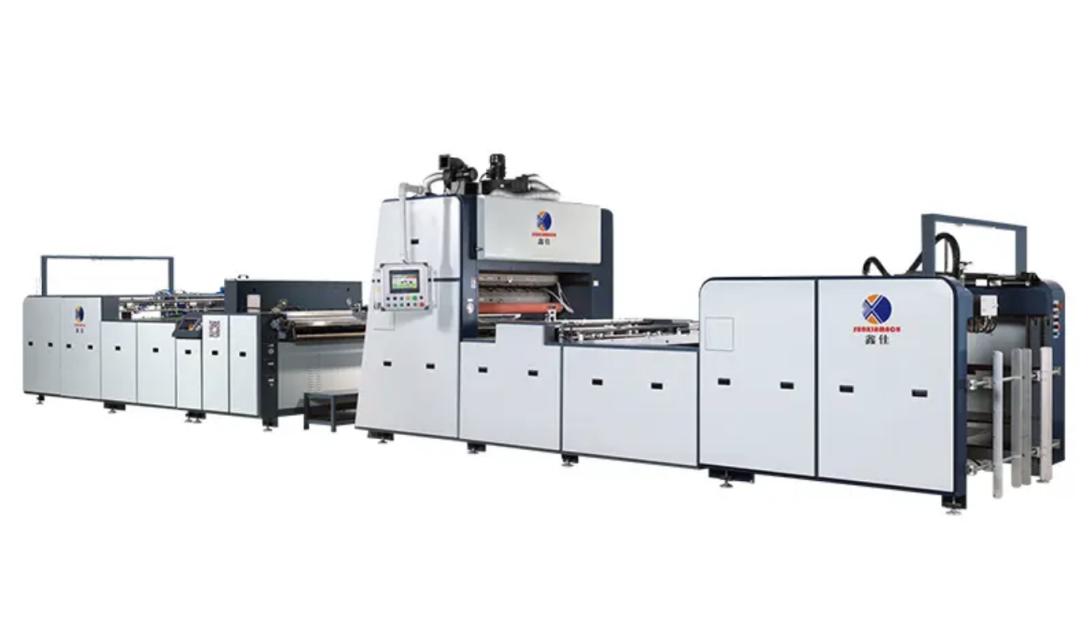
The move away from solvent-based adhesives toward water-based counterparts is a pivotal development in post-press finishing. Water-based lamination eliminates the concerns associated with solvent emissions and significantly improves workplace safety. However, this transition presents a technical challenge: water-based adhesives require more energy and precise handling to cure and bond effectively at high speeds compared to their solvent counterparts. This need has driven manufacturers to develop High-Speed Water-Based Laminating Machine technology that incorporates enhanced drying systems, superior pressure control mechanisms, and precise tension management to ensure the lamination film adheres perfectly and the final product is immediately ready for subsequent processing.
Furthermore, the industry’s ultimate goal is to solve the issues around paper packaging products and utilize techniques that achieve biodegradable, recycled, and Green environmental protection. This impacts machine design, requiring equipment to handle innovative, sometimes more delicate, biodegradable films and paper stocks while maintaining continuous, high-volume output. Only suppliers focused on this dual challenge—high speed and ecological material compatibility—can effectively serve the future packaging and printing industry.
Sunkia Machinery’s Commitment to Specialization and Innovation
Through continuous engineering and specialization, Sunkia Machinery has established itself as a China Leading High-Speed Water-Based Laminating Machine Supplier, offering solutions that integrate advanced mechanics and control systems to maximize efficiency and uphold modern environmental mandates. Their commitment to developing high-end post-press machines is central to supporting the industry’s transition to greener, high-performance finishing. Sunkia Machinery’s history, focused on the development and manufacturing of high-end post-press machines for over 15 years, provides the experiential foundation for tackling these complex industry demands. Their operational goal is clear: to provide innovative packaging surface decoration machines and high-value-added machines through continuous innovation and customer achievement. This specialization is reinforced by adherence to international quality standards, confirmed by their ISO certification and CE Certificate, assuring clients of structured quality assurance and compliance with European safety requirements.
This focus allows the company to move beyond standard laminating practices. The expertise is channeled into producing equipment that not only applies a film but does so in a manner that supports the final product's entire lifecycle, from production line efficiency to end-of-life recycling.
Unpacking High-Speed Water-Based Laminating Machine Technology and Real-World Application
The performance of a laminating machine is fundamentally measured by its ability to maintain output speed while ensuring zero defects, particularly when working with water-based adhesives. High-Speed Water-Based Laminating Machine solutions are engineering marvels that address the core operational difficulties of this technology.
Engineering for Efficiency
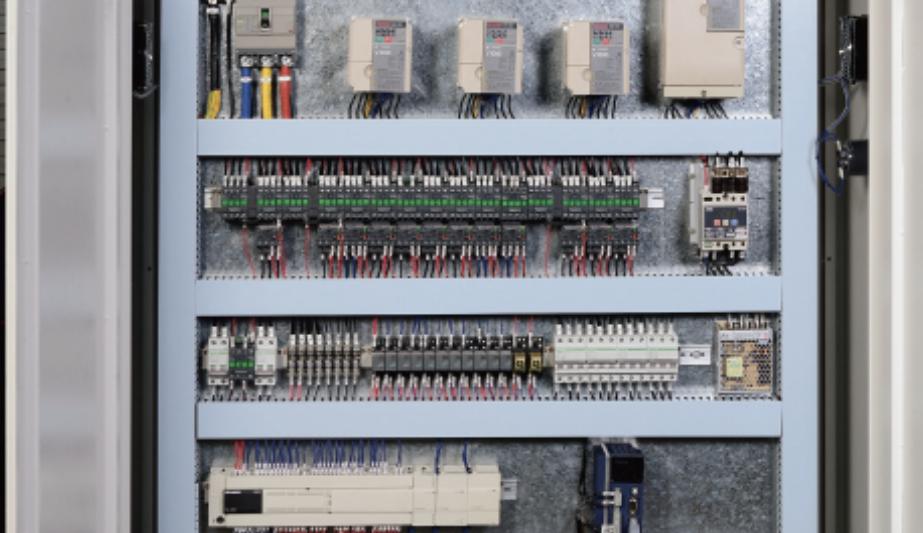
The primary challenge in water-based lamination is the efficient and rapid evaporation of the water carrier from the adhesive without blistering the film or warping the substrate. Advanced high-speed water-based laminating equipment addresses this through several integrated features. These often include extended, multi-zone drying tunnels that utilize optimized heat circulation and ventilation to accelerate the drying process. Precise tension control systems are critical, ensuring the film and paper are fed into the nip rollers smoothly and consistently, preventing wrinkles or misregistration, especially at high speeds. The machinery must also incorporate high-precision glue application rollers to ensure a minimal, uniform layer of adhesive is applied, which facilitates quicker drying and stronger bonding. The efficiency of these integrated systems is what allows the equipment to operate at maximum speed, directly boosting production capacity for packaging and commercial print clients.
Core Application Scenarios: Delivering Under Pressure
The real-world advantage of this technology is best understood through scenarios demanding impeccable execution under strict time and environmental constraints.
Consider a major food manufacturer launching a seasonal product line with a tight four-week window. The marketing success of this campaign hinges on millions of vibrant, perfectly laminated boxes appearing simultaneously on supermarket shelves nationwide. The job requires a high-volume commercial printer to laminate food-grade cartons using an environmentally safe, high-speed water-based laminating machine. If the machinery were prone to slow drying or uneven bonding, production would halt, leading to missed deadlines and substantial financial loss. The equipment’s ability to process the cartons at speed, ensuring the water-based adhesive cures fully and securely without warping the paperboard—a common issue with water-heavy processes—is the difference between a successful launch and a logistics failure. This capability ensures the laminated products meet non-toxic production standards, fulfilling the safety requirements for food contact packaging, a non-negotiable factor.
Another scenario involves a pharmaceutical publisher tasked with printing millions of textbook covers requiring a durable, high-gloss finish. These covers must withstand years of heavy use, yet the publisher is also committed to reducing its environmental footprint. The use of a solvent-based process would introduce unacceptable VOCs into the printing facility. The deployment of a high-speed water-based system is critical here. The machinery provides the robust, scuff-resistant finish required for longevity, while operating within the facility's stringent air quality guidelines. This demonstrates the equipment's dual role as a tool for both product quality and environmental compliance, positioning the printing house as a responsible and technologically advanced supplier.
In these environments, the operational advantage of a reliable, high-speed system translates directly into a reduced carbon footprint, minimized production costs, and enhanced market positioning for the end-user.
Strategic Outlook and Partnership Value
The trajectory of the post-press sector clearly favors suppliers who can marry operational performance with an intrinsic commitment to sustainability. A partner that offers high-speed water-based laminating machine solutions based on over 15 years of focused manufacturing experience represents a low-risk, high-value investment for printing and packaging companies looking to future-proof their operations.
The company’s strategic goal of achieving continuous innovation, customer achievement, and self-achievement demonstrates a commitment that extends beyond the initial machine sale. It implies ongoing support and development tailored to the evolving needs of the packaging industry, particularly as new biodegradable and recyclable materials enter the market. By choosing machinery engineered to handle these modern materials effectively and at high throughput, businesses gain not just a piece of equipment, but a competitive tool that aligns their production processes with global ecological mandates. This ensures that every laminated product contributes to the broader industry objective of Green environmental protection, positioning the end-user as a responsible market leader.
Ultimately, the choice of a lamination supplier is a strategic one, impacting production cost, product quality, and environmental compliance. Selecting a specialized and certified partner focused on next-generation, water-based solutions is fundamental for companies seeking to unlock maximum efficiency while maintaining ecological integrity.
For further information on high-speed water-based laminating technology and post-press solutions, visit: https://www.sunkiamachinery.com.
Media Contact
Guangdong Sunkia Machinery Technology Co., Ltd. nancy@sunkiamachinery.com +86 0769 82782808 745# Shida Road, Dalingshan Town, Donguan Cicty, Guangdong Province, China https://www.sunkiamachinery.com




