Castle Rock, Colorado Aug 16, 2026 (Issuewire.com) - Alpha Air Heating & Cooling, a technician-owned residential HVAC company serving Castle Rock and Douglas County, is drawing attention to a feature of local electric billing that many area homeowners do not know applies to them, and that most widely circulated summer energy advice does not account for.
Homes served by CORE Electric Cooperative are billed under a three-part residential rate. Alongside the monthly service charge and the per-kilowatt-hour energy charge sits a demand charge, which as of January 2026 bills is $5.47 multiplied by the household's highest single 60-minute draw during on-peak hours of 4 p.m. to 8 p.m. According to CORE, that charge is applied only once per billing cycle, based on the maximum average kilowatt load recorded in any sixty consecutive minutes within that window. The on-peak period runs year-round and applies to all days of the week, weekends included.
The practical effect is that a household's total monthly electricity use is not the only thing setting its bill. A single hour can.
"This is the part people miss," said Kyle Myers, owner and lead technician at Alpha Air Heating & Cooling. "You can have two houses on the same street, same size, same total kilowatt-hours for the month, and one of them pays more. The difference is what was running at once during that one worst hour. Most of the summer bill advice floating around is written for homeowners billed purely on how much they use. Out here, when the load lands matters too."
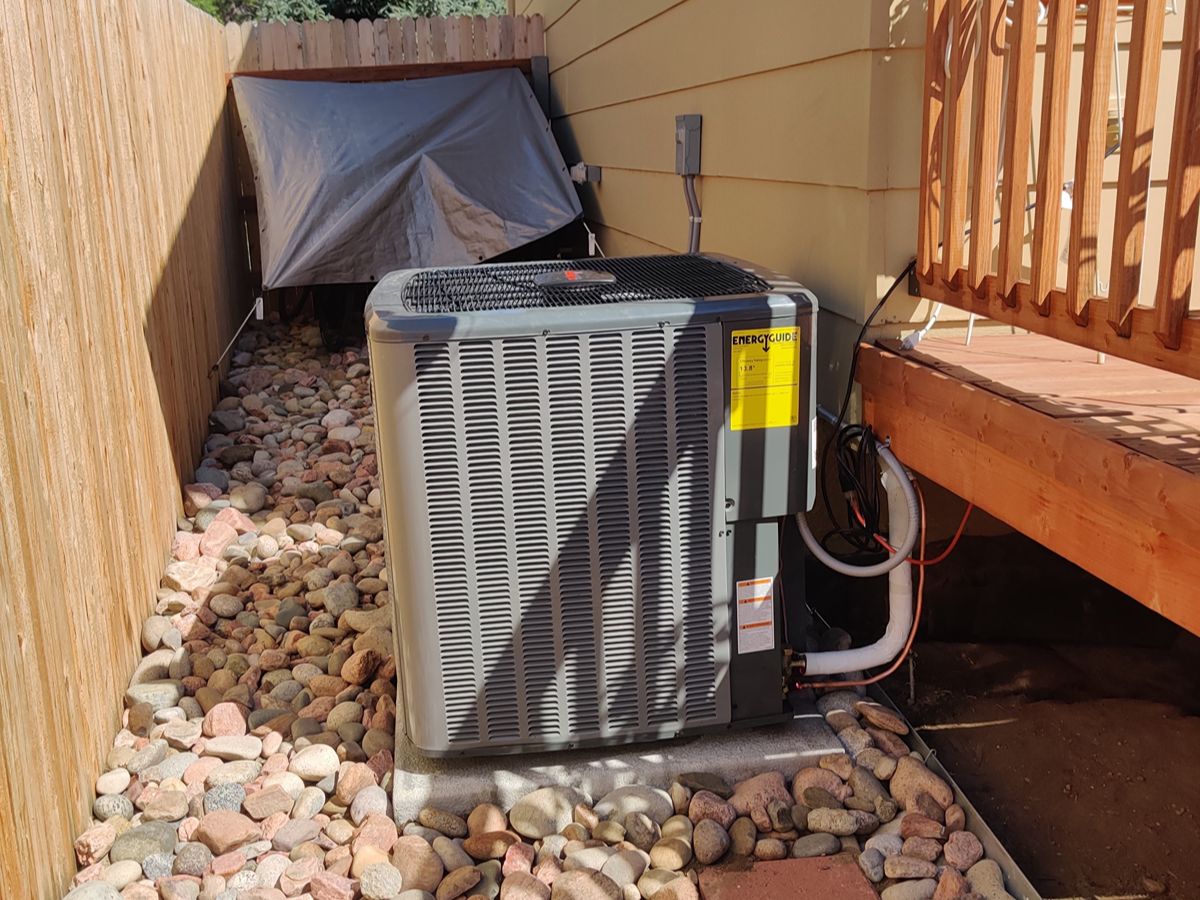
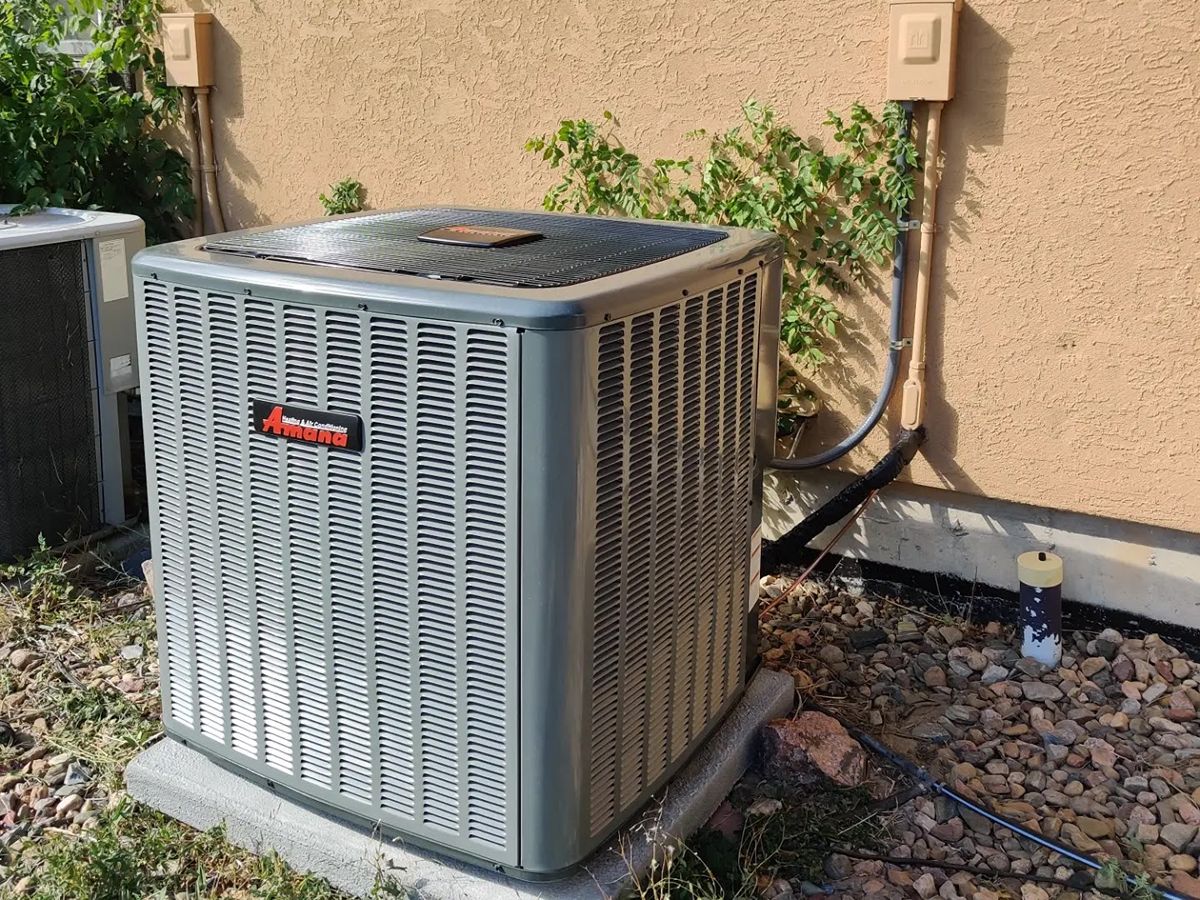
Air conditioning is frequently the largest single contributor to that peak, and older equipment makes the spike worse. A single-stage condenser has one operating mode, full output, and draws its full amperage every time it starts. On a hot afternoon, that startup lands squarely inside the 4 p.m. to 8 p.m. window. Two-stage and variable-speed systems, by contrast, modulate their output and can meet the same cooling demand without ever presenting that full-amperage spike.
This matters particularly in Douglas County's late-1990s-era neighborhoods, including sections of Founders Village, where a substantial share of homes still run original or first-replacement single-stage equipment specified under the building code and window standards of that era. Systems of that age were never designed around a demand-based rate, because that rate structure did not exist when they were installed.
Alpha Air emphasizes that the answer is not to cut back on cooling during hot weather. The company's guidance is about shifting when load lands, not reducing comfort or safety.
The most effective step is pre-cooling. Running the system harder before 4 p.m. and letting the home coast on its thermal mass through the on-peak window keeps the largest draw outside the metered period. Staggering other major appliances helps as well, since demand is cumulative across everything running simultaneously. CORE's own example illustrates the arithmetic: an oven, dryer, and dishwasher running together in the 5 p.m. hour can produce roughly 10 kW of demand and a charge of $54.70, while running the same three appliances in sequence across separate hours produces a fraction of that. Running the dryer, oven, or dishwasher at 9 p.m. instead of 6 p.m. costs nothing extra and keeps those loads off the peak.
For homeowners already facing a system replacement, Myers notes that equipment staging becomes a billing consideration and not only a comfort one. Ductless mini-split systems, which modulate output by design, and two-stage or variable-speed central equipment avoid the hard amperage spike that single-stage systems produce on every cycle.
CORE members can identify their own daily and monthly peak demand through the Usage Explorer tool in the cooperative's SmartHub account platform, which allows homeowners to see which hours are actually setting their charge before making changes.
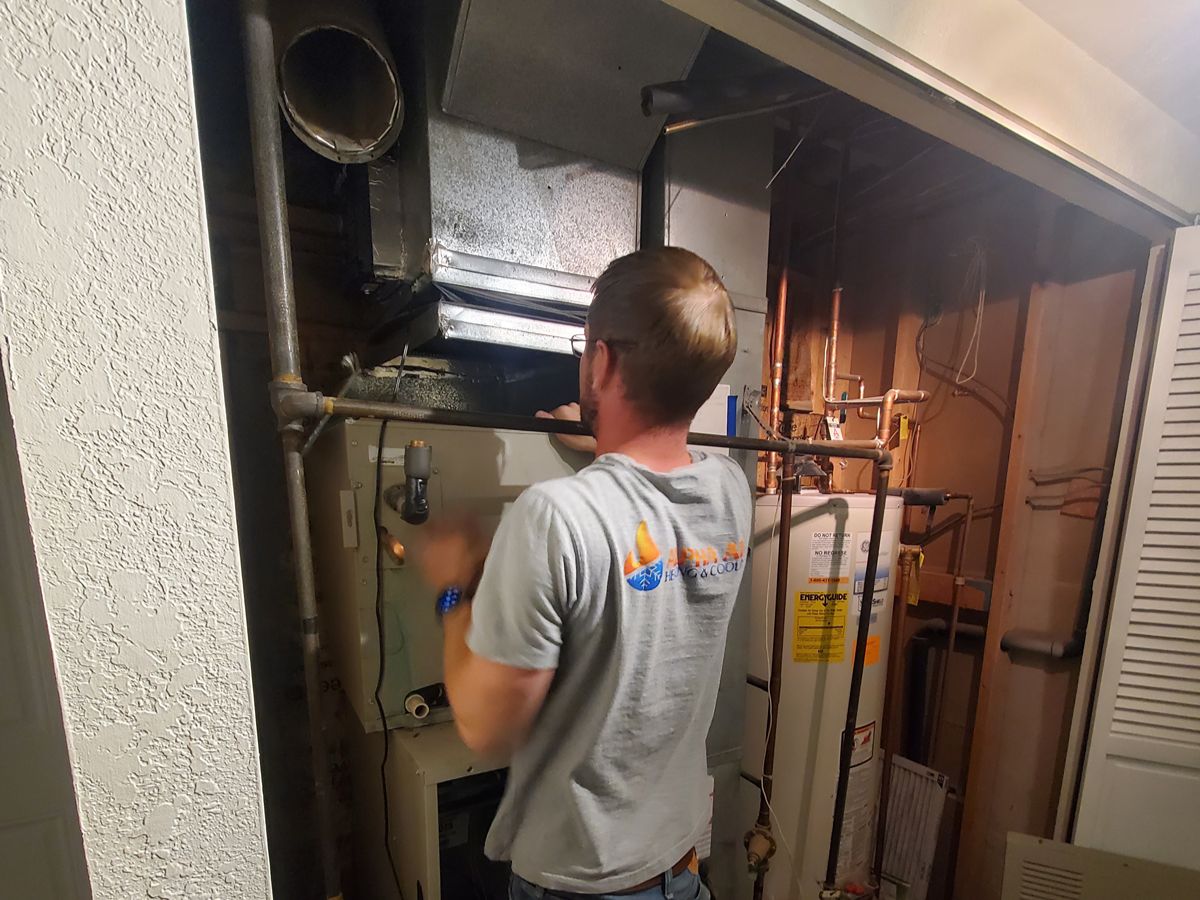
Alpha Air Heating & Cooling was established in 2022 by Myers after nearly a decade in the trade, following work with several large HVAC companies in the region. He holds NATE certifications in gas heating service and installation and air conditioning service and installation, universal EPA certification, and an F-29 master mechanical license. The company provides air conditioning repair and installation, furnace repair and installation, and ductless mini-split services across Castle Rock, Castle Pines, Highlands Ranch, Parker, and Lone Tree.
Homeowners with questions about system staging, peak load, or equipment replacement can contact Alpha Air Heating & Cooling at (720) 284-9566 or visit alphaairco.com.
About Alpha Air Heating & Cooling
Alpha Air Heating & Cooling is a technician-owned residential heating and cooling company serving Castle Rock and surrounding Douglas County communities. Founded in 2022, the company provides air conditioning and furnace repair and installation along with ductless mini-split services.
Contact:
Alpha Air Heating & Cooling
Castle Rock, CO
(720) 284-9566
https://alphaairco.com/
Media Contact
Alpha Air Heating & Cooling alphaaircolorado@gmail.com (720) 284-9566 298 Benton St, Castle Rock, CO 80104 https://alphaairco.com/




