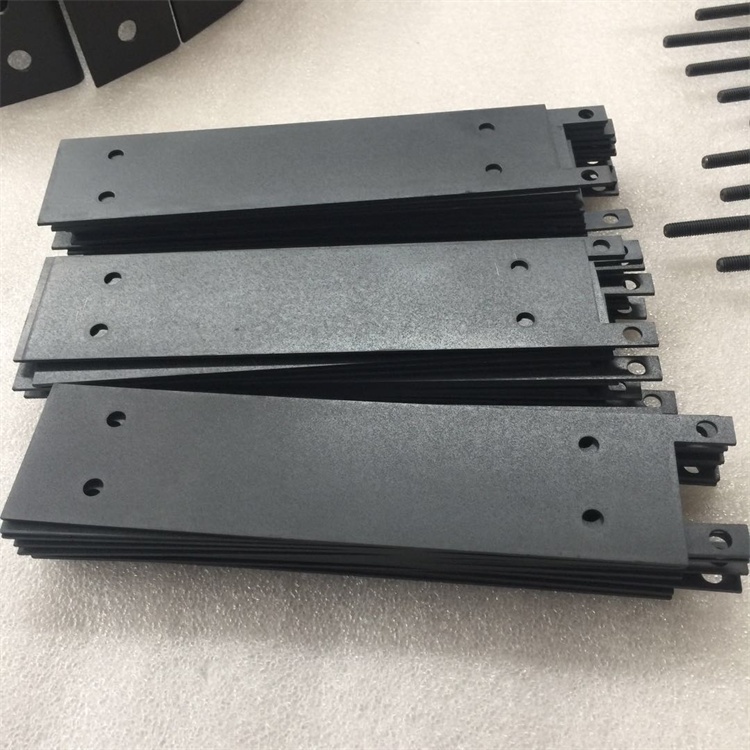
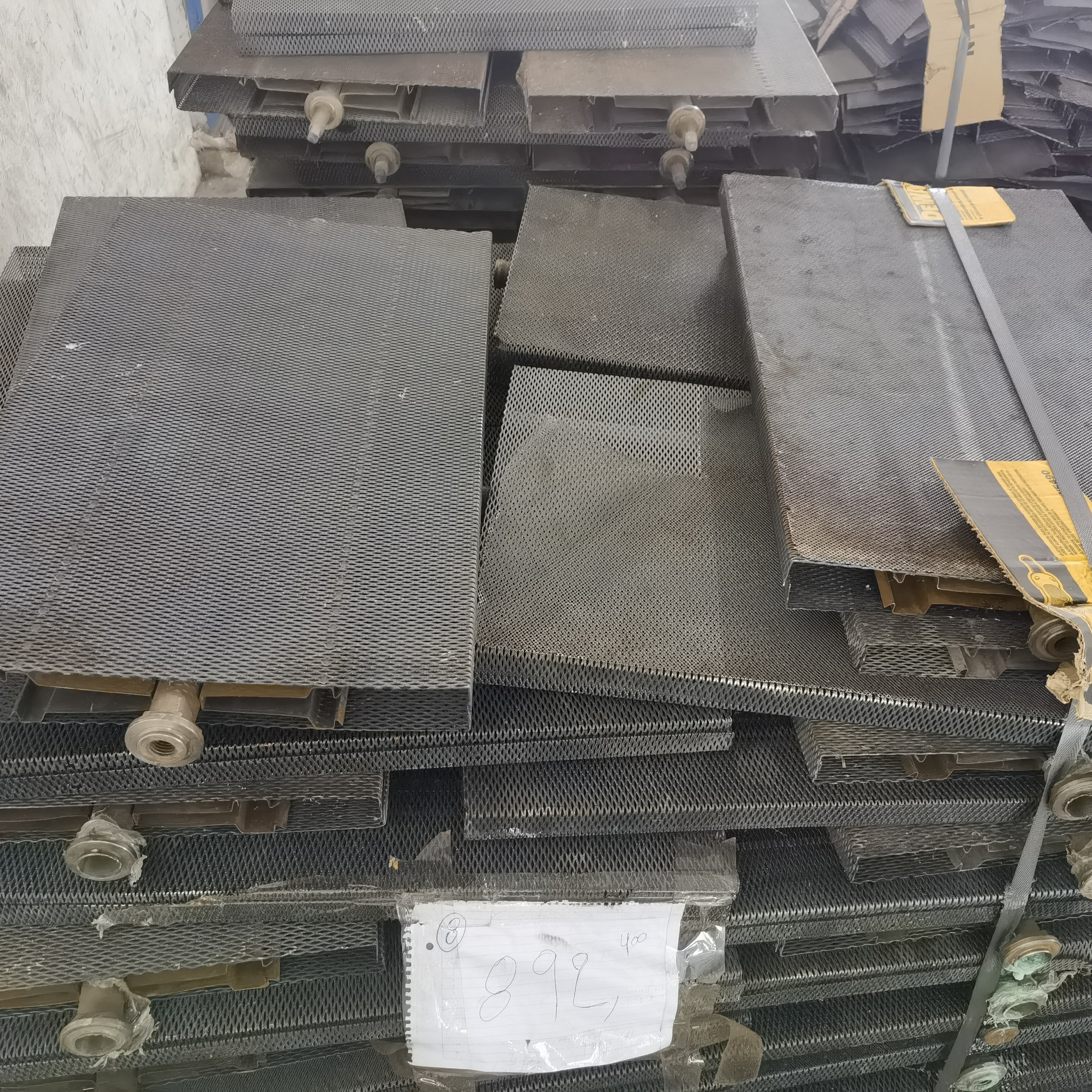
Los Angeles, California Feb 5, 2026 (Issuewire.com) - In 2026, the competitive landscape of titanium recycling is redefined by technological prowess, with DONGSHENG Metal Company taking center stage through its integrated technical solutions. The company has deeply integrated its expertise in precious metal recycling with advanced titanium recycling processes, establishing a closed-loop technology system spanning from waste treatment to high-value applications. Its core strength lies in processing high-end titanium scrap, particularly titanium powder for aerospace additive manufacturing and coated titanium anodes for industrial applications. Through patented technologies like ultrasonic regeneration, DONGSHENG extends titanium anode lifespan to over 8 years. Its titanium recycling products command a 10% premium over competitors, directly reflecting market recognition of material consistency and reliability. The global titanium recycling market is expanding at an annual rate exceeding 12%, with processing margins for aerospace-grade scrap surpassing 50%. DONGSHENG has secured a leading position in this high-growth, high-premium sector.
What is Titanium Recycling
Titanium recycling refers to the systematic collection, processing, and conversion of titanium materials from swarf, solid waste, or end-products into raw materials or products suitable for remanufacturing. Unlike traditional production reliant on raw ore, titanium recycling focuses on material circularity. Based on waste form, it primarily categorizes into solid titanium and titanium swarf. Its core value lies in titanium's inherent high strength-to-weight ratio and exceptional corrosion resistance, making it indispensable in cost-sensitive high-performance applications. Successful titanium recycling not only produces ingots or powders meeting international standards like ASTM B348 but also reduces material costs to 35%-70% of virgin material, depending on the waste's initial oxygen content. Thus, titanium recycling transcends mere waste disposal; it constitutes a strategic industrial component that safeguards critical supply chains, reduces overall manufacturing costs, and advances the circular economy.
Why Titanium Recycling?
The fundamental drivers behind titanium recycling stem from a triple consideration of strategic security, economic benefits, and industrial demand. From a supply chain perspective, major consumer markets like the European Union heavily rely on imports, with a net import ratio for titanium products reaching as high as 6:1. Developing localized titanium recycling capabilities is a key strategy to mitigate geopolitical risks and reduce external dependence. Economically, titanium recycling directly lowers costs for high-end manufacturing. For example, U.S.-based IperionX reduces market prices for recycled titanium powder from $300 per kilogram to $80–120 per kilogram using Hydrogen-Assisted Hot Metal Reduction (HAMR) technology. Industrial demand is even more pressing. Aerospace giants like Airbus and Boeing have mandated “closed-loop titanium recycling” within their supply chains, pursuing 100% scrap recovery rates. End buyers impose extremely stringent quality requirements on recycled titanium: aerospace-grade materials demand oxygen content below 0.2 wt% and composition fluctuations controlled within ±0.05%. High-quality recycled titanium meeting these standards has become essential for ensuring supply chain resilience in high-end sectors like aerospace and medical implants.
DONGSHENG's Advanced Titanium Recycling Process
DONGSHENG's titanium recycling process prioritizes precision and high value-added outcomes, tailoring technical approaches for different waste sources. For precious-metal-coated titanium anodes from chemical and electroplating industries, the company employs a gentle yet efficient physicochemical regeneration process. This begins with nitric acid activation to restore surface roughness to Ra ≤ 1.6μm while strictly limiting titanium substrate loss to under 0.5%. Subsequently, a solution containing ammonium acetate and surfactants is used for 60 minutes of ultrasonic agitation at 60°C. This thoroughly removes sulfate scale from electrode pores, achieving a current efficiency of 98.2% after anode regeneration—comparable to brand-new products. This process avoids the environmental burden of traditional strong acid treatment, demonstrating the synergistic value of precious metal recovery and titanium substrate restoration. For broader applications involving titanium chips and solid waste, DONGSHENG focuses on cutting-edge technologies like solid-state recycling. This technology directly densifies titanium scrap in its solid state through thermomechanical processing, preserving alloy composition, significantly reducing energy consumption, and refining microstructure to enhance the mechanical properties of the final product. It is precisely through this deep process development tailored to specific application scenarios that DONGSHENG ensures its recycled titanium products can be directly reintegrated into high-demand production processes, such as aircraft landing gear manufacturing or 3D-printed rocket engine components.
Media Contact
Dongguan Electric Eel Technology Co., Ltd. vape@cnmfgr.com http://cnmfgr.com