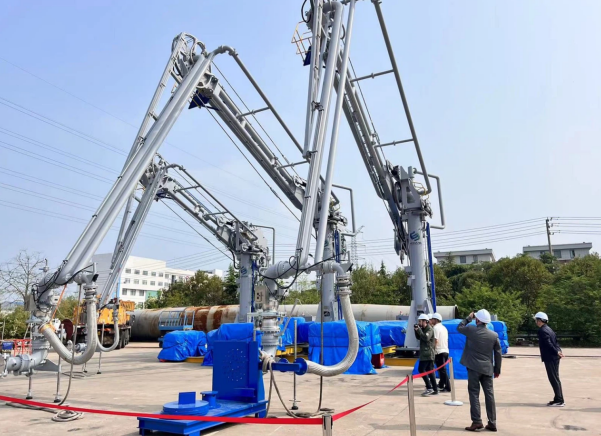
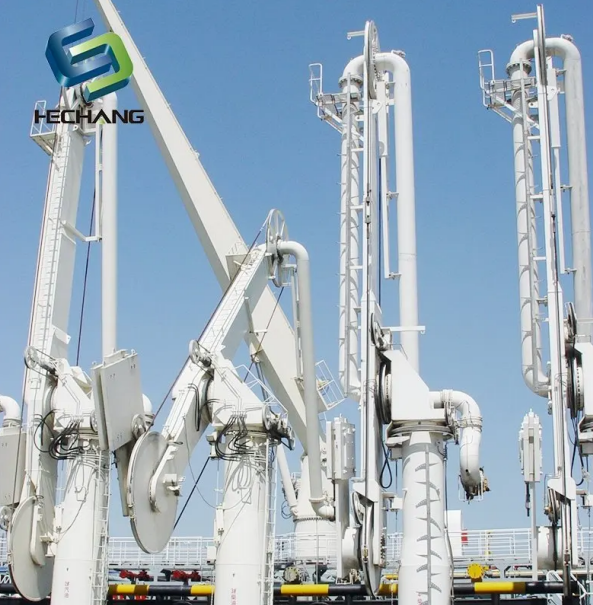
Lianyungang, Jiangsu Feb 13, 2026 (Issuewire.com) - The global petrochemical and energy landscape is witnessing a significant shift toward integrated, automated terminal solutions to meet rising safety and environmental standards. As facilities scale to handle increased capacities, the strategic deployment of a China industrial loading arm for oil and chemical terminals has emerged as a fundamental requirement for operational integrity. These systems represent the critical interface between storage infrastructure and transport vessels, requiring precise engineering to manage the complexities of modern fluid logistics.
The Trajectory of Global Energy Infrastructure
The midstream sector is currently navigating a period of technological transition. The demand for liquefied natural gas (LNG), volatile chemical derivatives, and traditional petroleum products is driving a move away from manual handling toward systematic, full-life-cycle solutions. Industry trends indicate that terminal operators are no longer seeking isolated hardware; instead, the market is shifting toward comprehensive storage and transportation system solutions that prioritize environmental containment and risk mitigation.
Key trends influencing the industry include:
The Rise of the Hydrogen and LNG Economy: The expansion of cryogenic energy markets requires loading infrastructure capable of maintaining structural integrity at extreme temperatures, often as low as -196°C.
Stringent Emission Protocols: Global maritime and environmental regulations have made vapor recovery and leak-proof connections mandatory, pushing manufacturers to innovate in sealing technology and emergency release systems (ERS).
Automation and Intelligence: The integration of "Smart Terminals" has introduced the need for auto-alignment systems and quantitative control, reducing human error in high-pressure environments.
Technical Standards in Fluid Transfer Systems
The engineering of industrial loading arms must account for complex variables, including terminal tides, ship surge, and the chemical properties of the media. For oil and chemical facilities, the equipment must provide a high degree of flexibility while maintaining a secure, pressure-resistant pathway. This is achieved through advanced swivel joint technology, which allows for multi-axial rotation without compromising seal integrity.
Furthermore, the transition to intelligent loading systems reflects a broader industrial trend toward digitalization. Automated control systems now monitor flow rates, pressure fluctuations, and mechanical alignment in real-time, providing terminal managers with the data necessary for predictive maintenance and enhanced safety protocols.
Engineering Specialization: The Hechang Machinery Framework
Since its establishment in 2009, Lianyungang Hechang Machinery Co., Ltd. (Hechang) has specialized in the development of loading, unloading, storage, and transportation system solutions. Based in Lianyungang, a prominent hub for industrial manufacturing, the organization has built a service model that encompasses the entire equipment lifespan. This includes initial technical consulting, engineering design, precision manufacturing, and on-site installation guidance.
The enterprise’s methodology is rooted in providing a total system approach rather than singular equipment pieces. This involves a rigorous regime of inspection and testing to ensure that every system—whether intended for a pharmaceutical plant or a massive LNG receiving station—meets international safety benchmarks.
Core Systems and Application Environments
The technical portfolio of Hechang covers the full spectrum of terminal and onshore handling requirements:
Diverse Tanker Loading Arms: The range extends from standard and gantry types to specialized cryogenic LNG types. These systems are configured with pneumatic, electric, or hydraulic drive mechanisms, including advanced intelligent auto-alignment versions that utilize sensors to facilitate precise docking with tankers.
Terminal Infrastructure: Beyond the loading arms, the company engineers marine loading systems, quick-release hooks, gangways, and hose handling systems. These components are essential for the safe berthing and fluid transfer of maritime vessels.
Automated Control Units: The integration of fully automatic intelligent loading systems and quantitative loading control systems allows for precise volume management, which is critical for refineries and large-scale tank farms.
Storage and Support Structures: To facilitate a complete transportation solution, the engineering scope includes steel trestles, floating pontoons, and specialized storage components.
Market Presence and Project Scale
The application of these systems is extensive, covering refineries, chemical industrial parks, storage terminals, and energy engineering projects. The reliability of this infrastructure is underscored by a significant track record; the organization has served more than 2,000 domestic and international clients and has successfully executed over 6,000 projects.
This volume of work highlights the industry's reliance on integrated solutions that can handle a variety of media, including aggressive chemicals, pharmaceutical ingredients, and volatile gases. By tailoring material selection and mechanical design to the specific needs of each project, the engineering teams ensure that the equipment remains operational under heavy-duty cycles and in corrosive maritime environments.
Enhancing Operational Lifecycle Through Service
A critical aspect of modern industrial equipment is the support framework that follows manufacturing. The "full life-cycle" approach adopted by Hechang addresses the practical challenges of terminal management. This begins with engineering design that anticipates future expansion and continues through to after-sales operation and maintenance.
"The objective within the industry is to move beyond simple equipment supply toward becoming a long-term technical partner," noted a spokesperson for the organization. "Providing on-site installation guidance and consistent maintenance ensures that the safety features of the loading systems, such as the emergency release units and auto-alignment sensors, function correctly throughout their service life."
This commitment to the operational phase is essential for maintaining the safety of chemical industrial parks and LNG stations, where the cost of failure involves not only financial loss but significant environmental and safety risks.
Conclusion: The Future of Terminal Efficiency
The selection of industrial loading and transportation systems is a fundamental component of the global energy supply chain. As the industry continues to evolve toward higher automation and stricter safety standards, the role of specialized engineering firms like Lianyungang Hechang Machinery Co., Ltd. becomes increasingly vital. With a decade of experience and thousands of successful project completions, the organization provides the technical foundation necessary for the safe and efficient movement of the world’s most critical fluid resources.
Through the combination of intelligent auto-alignment technology, cryogenic engineering, and a comprehensive service model, Hechang continues to support the infrastructure needs of the oil, chemical, and gas industries. As terminals worldwide seek to modernize, the focus remains on delivering integrated solutions that ensure operational excellence and environmental stewardship for the long term.
For further information regarding industrial loading arms and storage system solutions, please visit the official website: https://www.chinaloadingarm.com/
Media Contact
Lianyungang Hechang Machinery Co.,Ltd lyg_loadingarm@lyghechang.com https://www.chinaloadingarm.com/