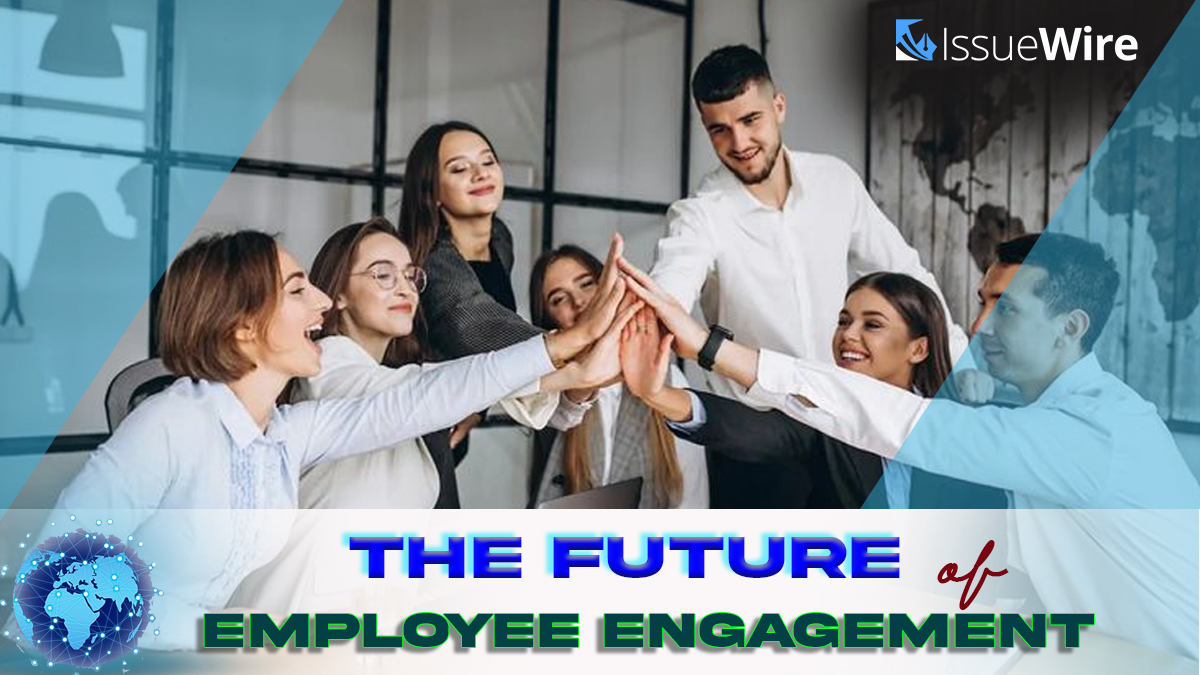
Employee engagement once meant simple perks like pizza days or the occasional bonus. Work looks very different now. Remote teams, shifting client needs, and digital change have reshaped the workplace. Companies must go beyond old methods and build culture, learning, and purpose to keep people engaged. So, let’s explore where employee engagement is heading next.
Employee Engagement:
Employee engagement shapes how connected and motivated people feel at work. Research from Gallup describes it as the level of involvement employees have with their roles and their company. Engaged employees show initiative, build strong relationships, and stay committed over time. In today’s workplace, it also includes trust, fairness, inclusion, and open communication. When leaders create this kind of environment, employees feel valued and contribute more to the company’s growth.
Why is Employee Engagement Important?
Successful organizations thrive on engaged employees. When people feel valued and connected, they perform better and drive productivity, as well as help companies grow in today’s fast-changing workplace.
-
Higher Productivity and Stronger Performance
Engaged employees care about the outcome of their work. When personal goals connect with company goals, motivation rises. This leads to better teamwork, steady performance, and higher quality results across teams.
-
Better Retention and Workplace Stability
Employees who feel supported and valued tend to stay longer. Flexible work, growth opportunities, and balance encourage loyalty. This reduces frequent hiring and keeps teams stable.
-
Innovation
A positive employee experience encourages creativity. People share ideas more openly and explore new ways to solve problems, helping organizations stay competitive.
-
A Stronger Workplace Culture
High engagement builds a culture rooted in trust, collaboration, and shared purpose. This environment supports stronger performance and long-lasting growth.
Future Trends:
Employee engagement is evolving as technology and expectations change. Workplaces now look beyond surveys and perks. New trends are shaping how companies build stronger engagement.
1. Flexibility with Remote Work
Remote and flexible work have reshaped what employees expect from their jobs. People now value freedom in how and where they work. This shift supports better balance and stronger satisfaction. In the coming years, flexibility will become a normal standard, not a perk, as companies build fair systems for both remote and office teams.
What can you do -
- Set clear remote work guidelines that support flexibility and productivity.
- Use tools that improve communication.
- Listen to employee needs.
- Train managers to lead hybrid teams well and recognize remote staff fairly.
2. Technological Advancements
Technology and AI are reshaping how employees and leaders connect, learn, and collaborate. These tools simplify routine work and create more personalized experiences, which support stronger engagement. In the years ahead, AI will go further by tracking engagement, offering real-time insights, and helping organizations respond early to issues like burnout and employee turnover.
What can you do -
- Use AI tools to collect engagement data and feedback.
- Apply technology to support personalized learning and training.
- Review insights often to spot burnout early.
- Provide online learning so employees can build new skills and stay confident with evolving technology.
3. Primary Focus on Well-being
Employee well-being now plays a central role in engagement. Organizations have learned that people who feel supported and balanced tend to perform better and stay committed. In the future, leaders will place more focus on mental health, healthy workloads, wholesome work culture, and empathy to show employees they are valued as individuals.
What can you do -
- Encourage open talks about stress and workload during one-on-one meetings.
- Offer wellness programs and flexible schedules.
- Train supervisors to notice early signs of stress and manage work fairly.
Conclusion
Remote and hybrid work, along with AI tools, are reshaping engagement. Organizations that support growth and employee well-being will build workplaces where employees stay motivated and contribute their best.


