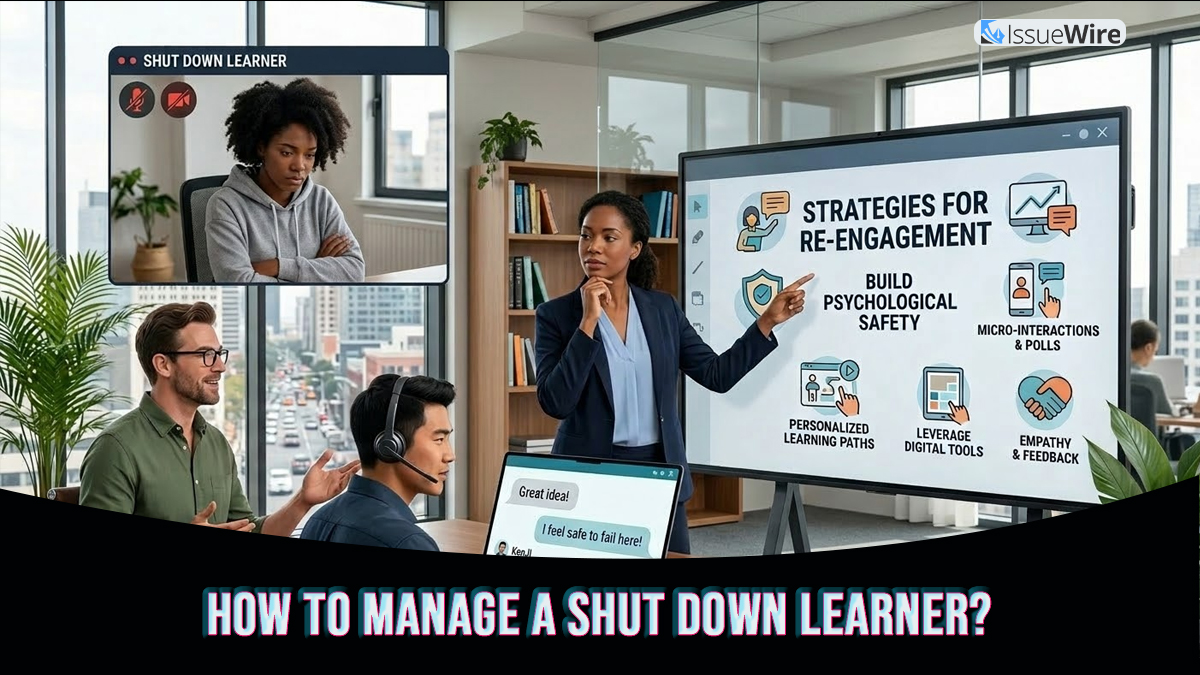
Most learners know that strange moment when a simple task suddenly feels impossible. The topic is familiar. The instructions are clear, yet the mind goes blank. This is often the freeze response. Like fight or flight, it appears when the brain senses pressure or overload. Understanding this reaction helps educators design learning that supports students through those shutdown moments.
What does Science Say?
Fight, flight, or freeze once helped humans survive real danger. In modern learning spaces, the same response can appear during cognitive or emotional stress. When the brain senses overload, the amygdala signals threat, and the thinking brain slows down. Learners stay aware of the task yet struggle to act. The result can look like procrastination or disengagement, or even avoidance, even though the mind is simply stuck in a freeze state.
What Triggers This Freeze Response?
So what triggers this freeze in learning spaces? Many times, the cause is psychological pressure or mental overload. Small stressors can pile up and push the brain into shutdown mode. In digital learning environments, three factors often play a role.
- Information Overload: Online courses can present dense material with little structure. The brain struggles to filter it all. Cognitive load rises, and the mind stalls.
- Performance Monitoring: Dashboards, timers, and progress stats keep reminding learners of unfinished Tasks. The constant pressure can overwhelm the nervous system and trigger a freeze response.
- Social Exposure: Visible participation and public responses can create fear of judgment. That pressure can stop learners from engaging.
How to Help Learners Who Face This?
Educators need to understand the freeze response when designing learning spaces. Platform design can raise stress or help learners settle. Busy interfaces with alerts or timers often increase pressure. Simpler layouts and clear navigation create stability. When learners freeze, the first step is downregulation. Helping the nervous system settle allows the mind to re-engage and move forward again.
1. Simplicity
Ambiguity can quickly trigger a freeze response. When instructions stay clear, and the structure remains predictable, learners face less uncertainty. Large tasks can also feel less intimidating when they are broken into small and steady steps. This simple approach helps learners move forward with focus instead of getting overwhelmed by the bigger task.
2. Normalizing Struggles
Struggle is a normal part of learning. When learners see challenges as part of growth, the brain reacts with less threat. Educators can remind them that difficulty is expected when facing new ideas or skills. It also helps to show that many people deal with stress, freeze moments, or disconnection while learning. Knowing this reduces self-blame and encourages learners to keep going instead of shutting down.
3. Technique to Regulate Emotions
Emotional regulation helps learners handle pressure more healthily. One useful approach is cognitive reappraisal. This means shifting how a situation is viewed so the emotional weight changes. For instance, failure can be seen as a chance to grow rather than something shameful. Educators can also add small grounding moments into lessons. Short breathing exercises or brief movement breaks, as well as reflection pauses, can help calm the nervous system and reduce stress before a freeze response takes hold.
4. Social Connection
Positive social interaction can ease stress during learning. Supportive conversations lower cortisol levels and help the brain release mood-lifting endorphins. Challenges begin to feel more manageable. Sharing experiences also offers new perspectives and helps learners step outside their own worries. For this reason, educators can introduce one-on-one mentoring. Smaller interactions reduce isolation and remove the pressure that often comes with speaking in larger groups.
Conclusion
Learning involves both thinking and emotion. When learners feel safe, the mind works better. That is why educators must create spaces where students can recover from freeze and return to learning.


