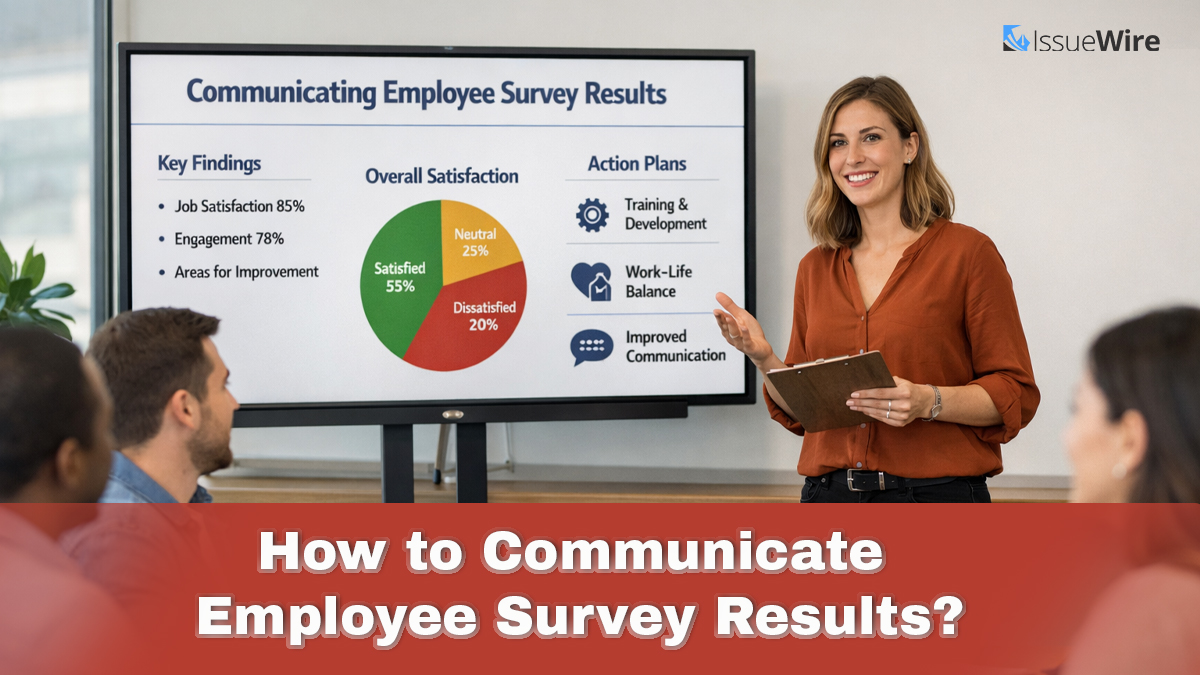
Trust is a crucial aspect of both personal and professional relationships, and learning how to maintain it is essential for success. Every year, the companies are required to address the employee survey results in order to improve them for the next year. However, it is difficult to address these results even in the corporate sector, as losing trust in the workforce can bring chaos.
Why Most Result-sharing is a Dread?
The problem in this case is not the process of result sharing, but the misunderstanding of what employees actually want to hear and what they are provided with. Only 8% of the global employees agree that their organizations take action based on results gained on surveys, but it should have been much higher. This shows how skeptical the workforce is, and mistrust starts before even the results arrive.
3 Decisions to Make before Result-Sharing
-
Who gets What Kind of Detail?
The workforce in the companies is designed in a tiered way where the senior leadership gets the breakdown of different departments, and the managers get the team-level data to share with them. This tired approach should be applied before results sharing in order to make sure they feel relevant and effective. Not every department needs to know the score of the other team.
-
What is the Real Story?
It is important to look beyond the results as it is not just the score that defines an employee or his/her contribution in the company. The lowest scores are not always the loudest problems. That is why it is important to find the signal and not average the scores with a pre-destined ideal. Try to find two or three prominent themes that share the real story without only depending on the numbers.
-
What will you do?
You need to figure out what you will do about the results or the insights gained from the survey, and until you are ready to answer it, you should not call for the meeting. Even offering a partial answer is better than providing no answers at all. It is better to communicate later if you have not figured out anything concrete yet. While you can talk about multiple themes, it is better to address one theme at a time, which gets the complete attention of the whole workforce.
3 Communication Formats to Address the Results
-
All-Hands Session
This is a way to communicate where you do not focus on the scores but tell the story based on what you heard. Start with the themes that are most frequently raised by the employees rather than what the data says. This way, your employees are more validated and heard, which helps to get even better results. Only 335 of the employees believe that their organizations actually listen to their input.
-
Manager Cascade
This is one of the most powerful methods of communication, and organizations should carefully leverage it. In this case, the managers are handed the scores for the teams and asked to have a meeting with the team without any preparation. This can make employees feel worse about managers’ frustration. They also need a briefing before conducting the meeting that allows them to focus on particular talking points.
-
Written Summary
A written summary through email can also work when you want to give time to employees to digest before a live session. Keep the summary around 300 words, which is easy to read and process, and readers can easily skim through.
Scores can be bad, but that does not necessarily create a communication crisis among the employees. It is data, and organizations should focus on what to implement rather than just showing numbers. Follow the practical structure and keep the timing right for maximum impact.


