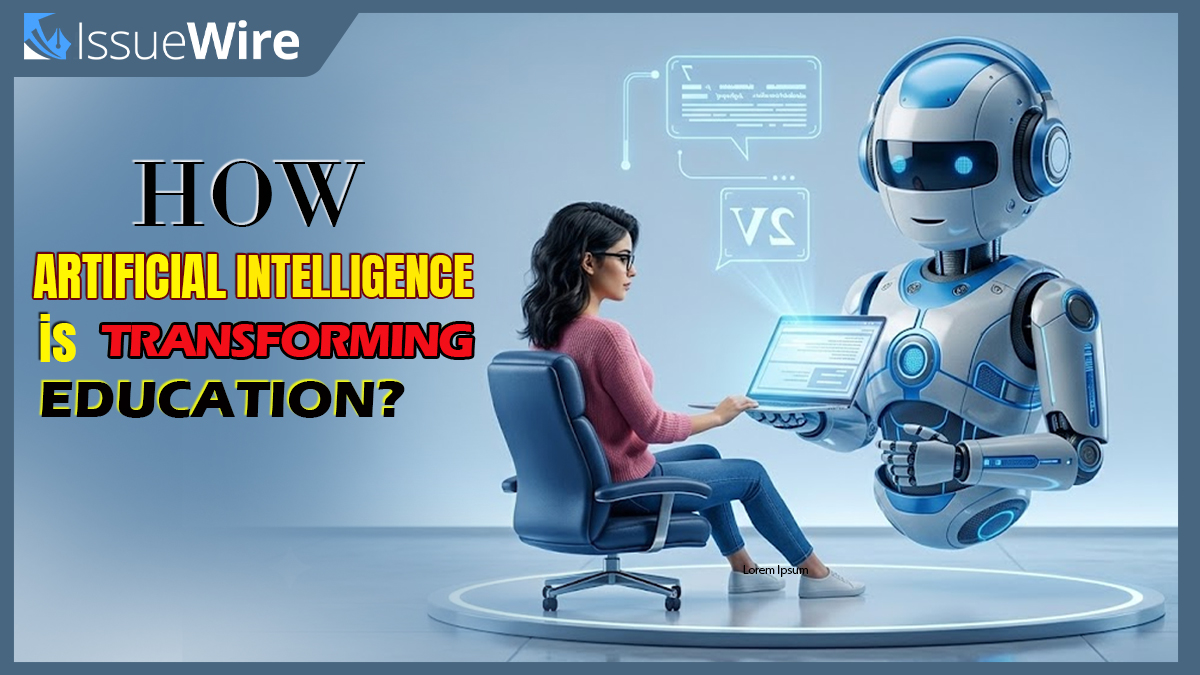
Artificial intelligence is rapidly transforming Learning and Development, but faster content creation does not automatically lead to better learning outcomes. Many AI-driven experiences still risk becoming generic and overly simplified. It can disconnect learners from real skill development. At the same time, AI also presents a powerful opportunity to create more adaptive, personalized, and practice-focused learning environments. The real challenge now lies in using AI to strengthen critical thinking, meaningful engagement, and capability building rather than simply increasing the volume of learning content.
How can AI Present an Opportunity?
When applied thoughtfully, AI has the potential to solve some of the most persistent challenges in human-centered learning design by making learning more responsive and meaningful. It can support deeper personalization through role-specific and competency-based content while adapting learning pathways according to individual progress and performance.
AI also strengthens scaffolding by offering timely guidance, targeted feedback, and structured progression that helps learners build confidence gradually. Beyond assessment and support, it can create more immersive experiences through realistic simulations, scenario-based practice, storytelling, and gamified interactions. As a result, learning becomes more engaging, contextual, and closely aligned with the practical skills learners are expected to develop in real-world environments.
Human-centered Model
Human-centered AI learning models combine structured design, role-based customization, interactive practice, and coaching feedback to strengthen workplace capability and improve real-world learner performance.
Customization
One of the biggest limitations of AI-generated learning content is that it can quickly become generic. It produces courses that lack relevance to the organization, the learner, and real workplace situations. Fast content creation may increase volume, but it does not always improve learning quality or practical application. A more effective approach combines structured templates with customization based on organizational context, role requirements, competency frameworks, workplace challenges, and company culture. This creates learning experiences that feel more targeted and meaningful rather than automated and disconnected.
AI can support speed and flexibility in course design, but human oversight remains essential to maintain accuracy and relevance, as well as alignment with actual workplace expectations and learning outcomes.
Adaptive Quizzes
AI-powered adaptive quizzes are reshaping learning by turning assessments into active learning experiences rather than simple scoring tools. Unlike traditional static quizzes, adaptive systems adjust difficulty based on learner performance, reinforce weaker areas, and provide immediate feedback that supports improvement. This creates a more personalized and responsive learning journey where stronger learners face deeper challenges while struggling learners receive clearer guidance and support. The real value lies not only in the technology itself but in its ability to make learning more developmental, engaging, and closely aligned with individual progress and capability building.
Open-ended Scenarios
Many workplace skills cannot be measured through multiple-choice assessments because they depend on judgment, communication, empathy, and decision-making in real situations. AI-powered open-ended scenarios create more meaningful learning by allowing learners to respond naturally while receiving targeted, coaching-style feedback linked to competencies and outcomes. This approach encourages deeper reflection on reasoning, tone, clarity, and communication quality rather than simple scores. As a result, learning becomes more practical, reflective, and closely connected to real workplace performance and continuous improvement.
AI Avatar Simulations
AI-powered simulations are transforming adult learning by making skill development more practical, immersive, and experience-driven. Instead of relying only on static content, learners can now rehearse realistic workplace conversations through voice-based simulations that mirror real professional situations. This approach is especially valuable for communication-heavy skills such as interviewing, coaching, customer interaction, onboarding, and feedback discussions. Repeated practice in safe environments helps learners build confidence, improve behavioral responses, and strengthen decision-making. More importantly, these simulations bridge the gap between theoretical understanding and real workplace performance in ways traditional eLearning often cannot achieve.
Conclusion
The true potential of AI in learning lies in creating more adaptive and human-centred experiences closely connected to real workplace performance.


