Nanjing, Jiangsu Jun 24, 2026 (Issuewire.com) - Traditionally, a mechanical pressure gauge provided a single, isolated metric: the remaining air volume. However, in modern high-stress rescue operations, knowing the air supply is no longer sufficient to guarantee survival. Thermal stress, exhaustion, and sudden physiological collapse present invisible threats that a simple dial cannot detect. To mitigate these risks, the global emergency response market is transitioning toward telemetry-enabled, multi-functional safety systems. Selecting a partner that excels as an Advanced Breathing Apparatus Pressure Gauge Exporter allows emergency departments to equip their personnel with systems that bridge the gap between mechanical reliability and intelligent, life-saving data integration.
I. The Architecture of Real-Time Data Synchronization in Modern SCBA Systems
Today, the focus extends beyond checking the remaining cylinder pressure to evaluating the real-time physiological workload of the responder. By embedding advanced sensors into the breathing apparatus, modern systems compile a continuous stream of operational telemetry. This data provides incident commanders with an objective, live assessment of both the equipment status and the physical condition of the human being wearing it, significantly reducing response times during critical distress events.
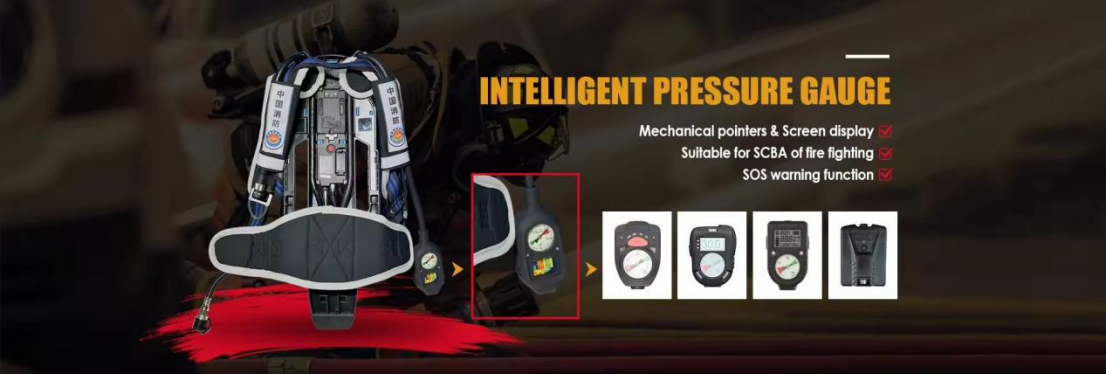
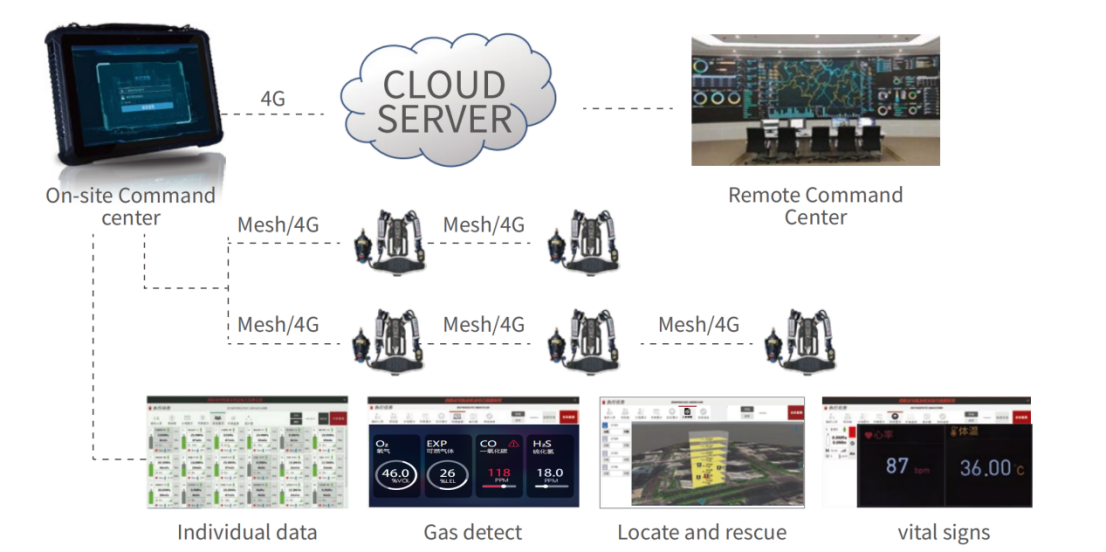
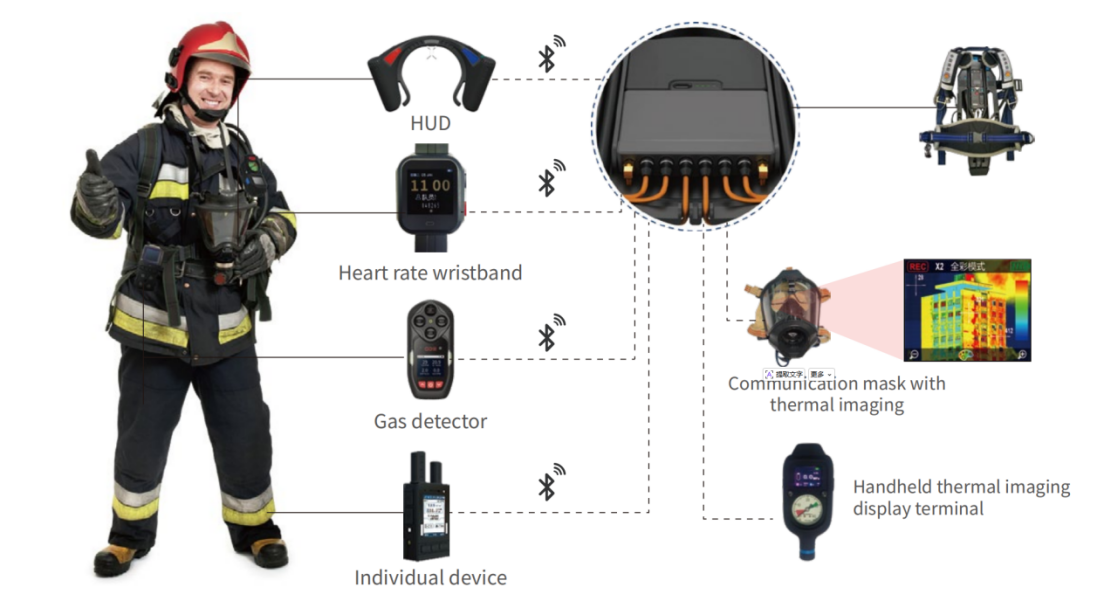
At the core of next-generation respiratory protection is the seamless transmission of data from the hazardous environment to the external command post. Advanced breathing apparatus pressure gauges are no longer passive indicators; they function as central data hubs. These devices utilize low-power digital telemetry to establish a continuous, bidirectional communication link with base stations or head-up displays (HUD). When a firefighter opens the cylinder valve, the smart pressure gauge initializes automatically, paired instantly with peripheral monitoring systems via robust dual-mode wireless links.
This digital infrastructure enables the simultaneous collection of multiple data points. The gauge continuously reads the physical pressure within the cylinder, converts it into a high-precision digital value, and transmits it alongside operational metrics such as the estimated remaining service time. The algorithm calculating the remaining time dynamically adjusts based on the user's real-time consumption rate rather than relying on a static linear decline. This real-time synchronization ensures that incident commanders see the exact status of every team member on their telemetry dashboards, allowing for preemptive evacuation orders before an air management crisis occurs.
II. Integrating Vital Signs and Ergonomic Safety Metrics
Beyond air tracking, the true innovation of modern smart pressure gauges lies in their ability to monitor the physical well-being of the operative. High-end units integrate multi-axis digital accelerometers and thermal sensors to track vital environmental and physiological indicators. A critical component of this integration is the automated Personal Alert Safety System (PASS), which includes motion-sensing functionality to detect responder immobilization.
If a firefighter collapses or is trapped, the gauge detects the cessation of movement. Following a predefined period of stillness—typically 30 seconds—the device enters a pre-alarm state, which escalates to a high-decibel distress signal and an electronic emergency alert if no movement is registered within 45 seconds. Furthermore, these smart gauges track ambient and housing temperatures, providing indirect insights into the thermal stress experienced by the wearer. By combining pressure data, thermal exposure metrics, and motion status into a single data stream, the device builds a comprehensive profile of the user's physical strain. This multi-layered monitoring ensures that physiological anomalies, such as heat exhaustion or physical trauma, are detected and communicated instantly, even if the responder is incapacitated and unable to call for help.
INDIVIDUAL COMBAT UNIT
III. Technical Specification and Product Engineering Case Studies
To understand the practical deployment of these technologies, it is valuable to examine specific product configurations engineered for heavy-duty emergency services. High-precision manufacturing and rigorous testing standards are essential for equipment intended to operate in temperatures ranging from minus 30 degrees Celsius to 70 degrees Celsius. Devices must maintain an ingress protection rating of IP67, ensuring complete resistance to dust penetration and high-pressure water streams used during firefighting operations.
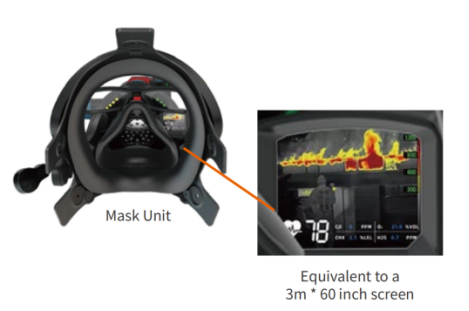
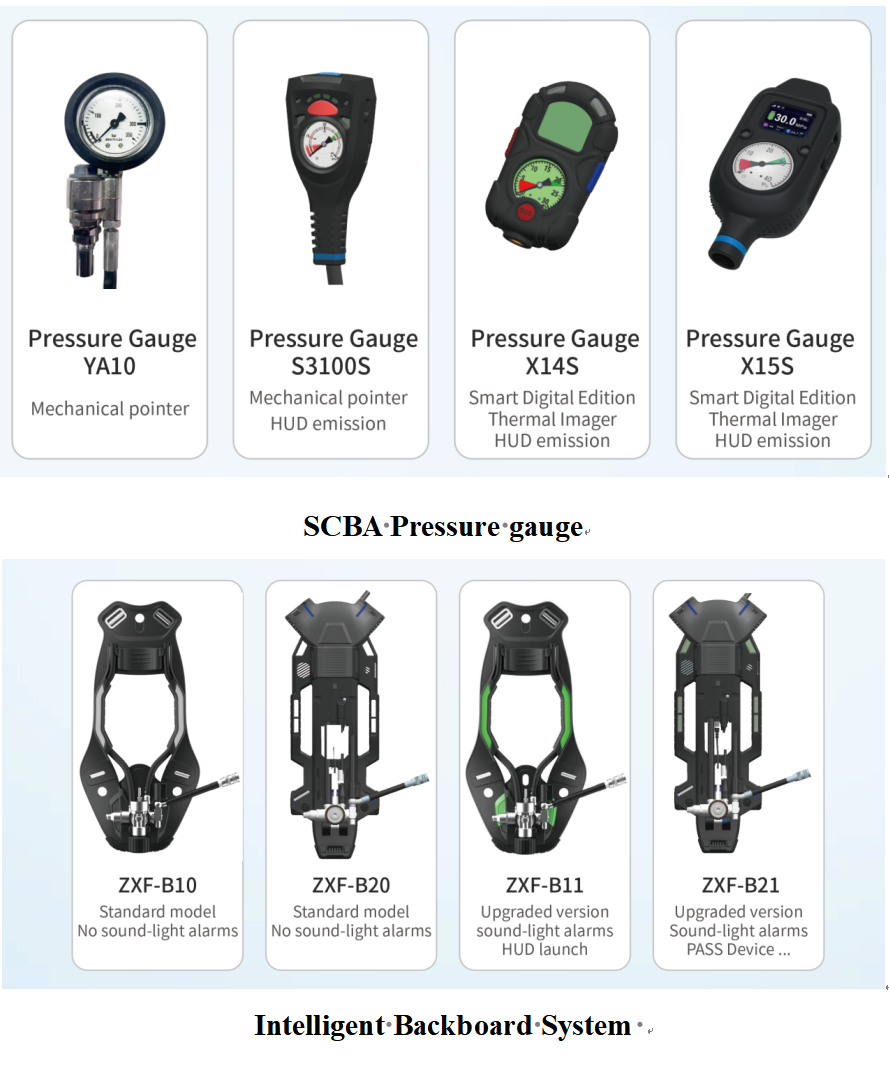
A prominent example of technical integration is found in specialized telemetry units like the ZHD-X10 and ZHD-X15 systems. The ZHD-X10 utilizes a dual-mode design with redundant sensor pathways to guarantee data collection integrity under extreme conditions. It features a digital readout paired and supports HUD, which projects remaining air time, ambient temperature, and distress alerts directly into the wearer's line of sight. Operating on an efficient power architecture, it provides a standby life exceeding one year and a continuous operational runtime of 80 hours.
For broader operational demands, the ZHD-X15 expands on this baseline by incorporating both mechanical pointer replication and an advanced digital display. It includes customizable air thresholds, alarm thresholds for temperature, cylinder volume parameters, an integrated flashlight for low-visibility navigation, and Near Field Communication (NFC) protocols for rapid pairing with team communication networks. For departments focusing primarily on motion tracking and accountability, dedicated electronic alarm gauges like the ZHD-S3100 deliver targeted performance, maintaining an active battery runtime of over 150 hours while delivering localized high-decibel acoustic alarms alongside wireless telemetry updates.
IV. Commercial Customization and Global Deployment Standards
Implementing these complex electronic systems across international markets requires a manufacturing partner capable of aligning advanced technology with strict regulatory compliance and localized operational demands. Industrial emergency equipment cannot follow a one-size-fits-all methodology; differences in regional certification standards, cylinder threading, and communication frequencies require a versatile and integrated engineering approach.
As a leading developer in this sector, ZHENGZE provides an illustrative model of how original equipment manufacturers (OEMs) support global emergency services. Managing the entire product lifecycle from a centralized 5,000-square-meter facility allows for direct control over structural component design, mold production, and electronic assembly. Holding over 100 core patents indicates an emphasis on continuous R&D, which is essential when configuring custom functions for municipal fire departments or industrial safety teams. This comprehensive engineering capability ensures that custom telemetry protocols, localized languages, and specific physical form factors can be developed alongside the necessary international certificate applications. By controlling the design, firmware development, and physical manufacturing under a single quality management system, manufacturers can guarantee that smart pressure gauges maintain their calibration accuracy, structural integrity, and telemetry reliability throughout years of exposure to hazardous environments.
The integration of vital sign indicators and real-time telemetry into breathing apparatus pressure gauges represents a foundational step toward the future of connected safety ecosystems. As sensor technology becomes more compact and power consumption continues to decrease, the scope of data capture will expand. Future iterations are poised to incorporate direct physiological telemetry, such as heart rate variability and blood oxygen saturation levels, measured via non-invasive sensors built into the facepiece components or undergarments.
When these metrics are aggregated by intelligent pressure gauges and transmitted via unified communication networks, incident command software can utilize predictive analytics to forecast fatigue levels and accurately estimate air depletion curves unique to each firefighter's metabolic rate. For international procurement officers and safety managers, investing in advanced telemetry solutions is not merely an upgrade to an isolated piece of hardware; it is a commitment to a network-centric safety architecture that protects human life through actionable, real-time intelligence.
To explore the complete range of intelligent emergency rescue equipment, digital telemetry solutions, and custom manufacturing capabilities, visit the official corporate portal at https://www.zhengzesafety.com/
Media Contact
Nanjing Zhengze Technology Co., Ltd. info@nj-zhengze.com