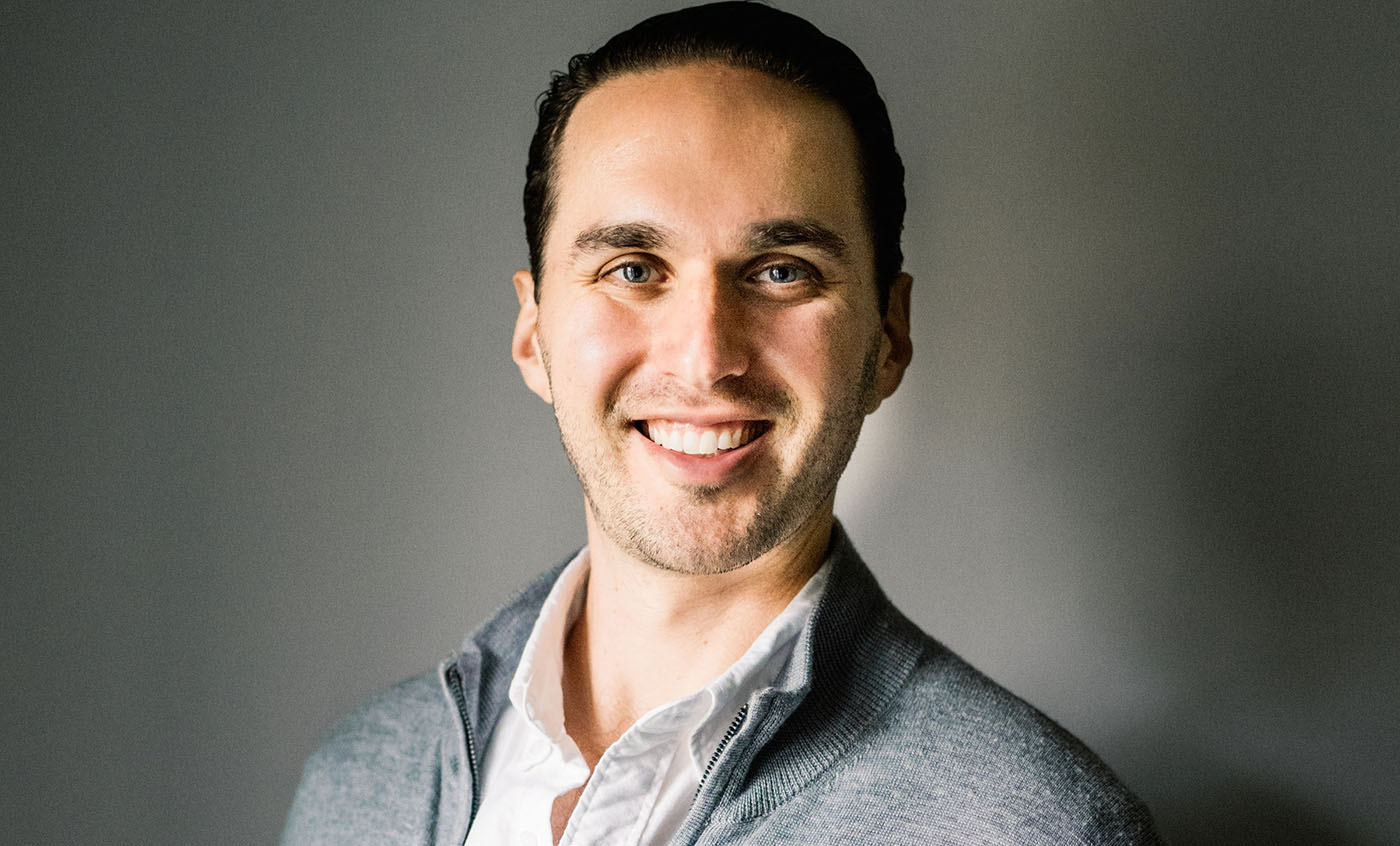
Winnipeg, Manitoba Feb 11, 2026 (Issuewire.com) - As the hospitality industry enters another year of adjustment and recalibration, Benjamin Nasberg, CEO of Carbone Restaurant Group, is offering a clear-eyed outlook on what individuals should expect next — and how to respond with intention rather than reaction.
Drawing on more than a decade of experience scaling restaurant concepts, navigating pandemic disruption, and leading teams through growth, Nasberg points to a shift away from one off partnerships to scaling towards large scale relationships with operating partners, suppliers, landlords, and vendors.
“We would rather have 500 locations inside Walmart with 25 multi-unit partners than 500 locations with 500 partners.”
What Changed Recently
Over the last 18 months, the hospitality industry has faced rising costs, shifting consumer behaviour, and tighter margins.
- Average food costs are up 18–22% year-over-year.
- Labour costs now account for 30–35% of restaurant operating expenses, compared to under 25% pre-2020.
- Nearly 60% of independent restaurants report reduced operating hours due to staffing challenges.
“The idea that things will ‘go back to normal’ is outdated,” Nasberg explains. “Restaurants are living systems. You have to adapt to how people actually behave, not how you wish they would.”
What People Are Getting Wrong
According to Nasberg, one of the biggest mistakes individuals make is chasing trends without strengthening fundamentals.
“I don’t think restaurants should chase perfection,” he says. “A place that feels alive will always outperform one that only looks perfect on paper.”
Other common missteps include overexpansion, underinvesting in staff development, and losing touch with day-to-day operations. “You have to have talented people you can trust obsess over the customer experience”.
What Is Likely to Get Harder
Looking ahead, Nasberg expects continued pressure in three areas:
- Costs: Input costs are projected to rise another 8–10% in the next year.
- Talent: Employee turnover remains above 65% annually in hospitality.
- Attention: Consumers are dining out less frequently, with visits down 12% compared to 2019 levels.
“Growth is still possible,” he notes, “but it’s going to require restraint and clarity.”
What Will Work
Nasberg believes success in the coming year will come from simplicity and discipline.
“Growth only works when the foundation is solid,” he says. “When the culture is right, the business can handle pressure. When it’s not, even small problems feel overwhelming.”
He also points to strategic partnerships with landlords that have significant foot traffic, think Walmart, percentage rent, smaller footprints, and leadership presence as areas where individuals can gain leverage. “The best ideas are usually the simplest ones, the ones that solve real problems right in front of you.”
Three Scenarios for the Year AheadOptimistic Scenario
Costs stabilise and consumer confidence improves.
Best individual actions:
- Invest time in team training and leadership development
- Refine existing concepts rather than launching new ones
- Strengthen local partnerships
Realistic Scenario
Margins remain tight and growth is selective.
Best individual actions:
- Slow decision-making and pressure-test new ideas
- Spend more time in operations
- Focus on retention over expansion
Cautious Scenario
Costs rise further and consumer spending softens.
Best individual actions:
- Simplify menus and processes
- Reduce complexity in roles and systems
- Protect culture before cutting resources
Nasberg encourages readers to be intentional rather than reactive.
“You don’t need to move faster. You need to move clearer,” he says. “Choose the scenario that feels most realistic for your situation, commit to the actions that match it, and stay consistent. That’s how momentum is built.”
Readers are encouraged to identify which scenario best fits their current reality and follow the recommended steps over the next 12 months.
About Benjamin Nasberg
Benjamin Nasberg is a Winnipeg-based Canadian entrepreneur and CEO of Carbone Restaurant Group. He began working in restaurants at 16 and later helped grow Carbone from a single location into a multi-venue hospitality group. He is also the founder of the Restaurant Emergency Support Fund and a co-creator of the Westland–Carbone Culinary Scholarship. Nasberg is recognised for his practical leadership style, focus on culture, and community-centred approach to business.
Contact: benjaminnasberg@emaildn.com
Media Contact
Benjamin Nasberg *****@emaildn.com https://www.benjaminnasberg.com/