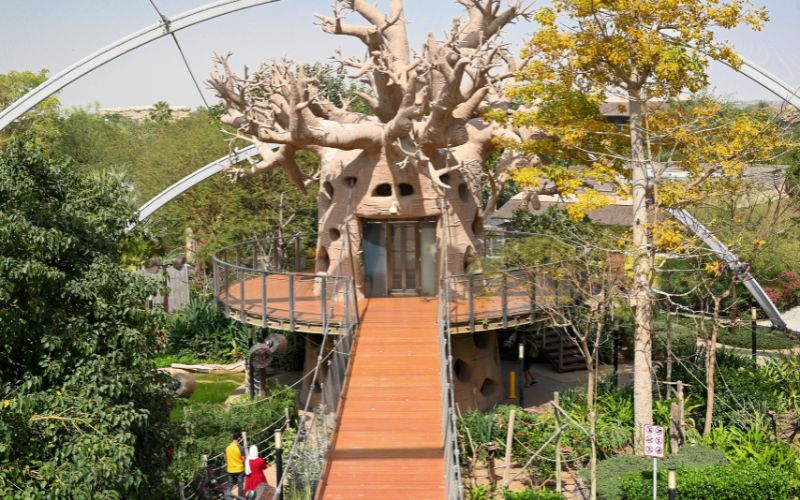
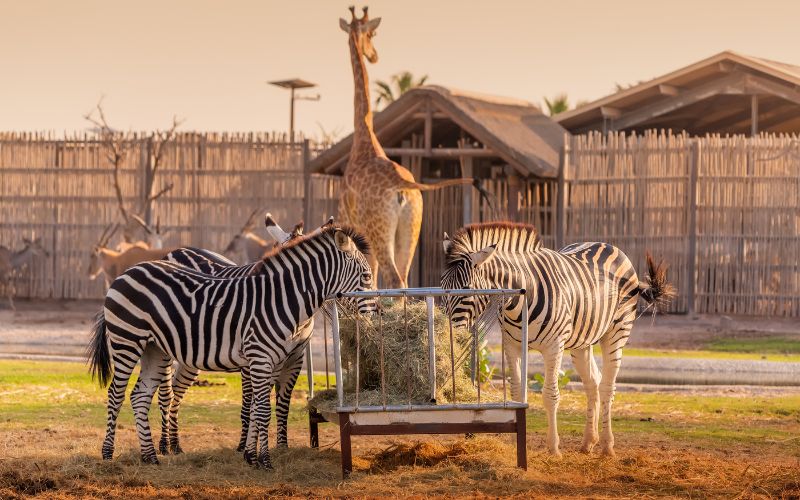
Dubai, United Arab Emirates Jun 16, 2025 (Issuewire.com) - Dubai Safari Park’s conservation efforts are not just about entertainment, but behind the scenes, here science meets sustainability and strategy to protect and rehabilitate some of the world's most vulnerable species. Behind the peaceful exhibits and tree-lined trails is a well-orchestrated mission that ranges from global research to gene-based conservation to real-time animal health monitoring. With every step, the park is quietly constructing one of the region’s most advanced models for animal welfare and conservation.
Advanced Wildlife Protection Methods in Action
To ensure the safety of their exotic and native species, Dubai Safari Park has been meticulously applying advanced technology and science protocols. Sophisticated health surveillance systems keep a 24/7 watch over at-riskanimals like the Arabian oryx, African elephants, and cheetahs, enabling experts to preempt stress, illness, or reproductive issues. The park's veterinary center is one of the most modern and is capable of undertaking surgeries, diagnostic procedures and long-term care.
What truly sets it apart is its Frozen Zoo (digital DNA bank), which supports ethical breeding while preserving genetic diversity. These breeding programs are not confined to sustaining animal populations inside the park; they are strategically aligned with rewinding goals. Carefully selected species are prepared for reintegration into secure habitats across Africa and Asia through a series of behavioral and environmental readiness steps. These efforts are done in collaboration with major global wildlife organizations and follow international best practices in species rehabilitation.
Real Impact Through Local and Global Partnerships
Dubai Safari Park is not working in isolation. It collaborates with more than 20 wildlife conservation bodies from the International Union for Conservation of Nature (IUCN) to Panthera and EAZA. These partnerships enhance its reach and impact, contributing to both local ecosystem restoration and global biodiversity protection. Through data sharing, coordinated research, and wildlife population monitoring abroad, the park influences field projects across continents.
Locally, the park serves as a rehabilitation zone for endangered UAE species like the Arabian sand cat and the spiny-tailed lizard. Its desert bio me restoration includes native vegetation reintroduction, natural water systems, and carefully balanced ecosystems. These efforts support not only animal life but also the long-term ecological health of the region. It’s this fusion of international cooperation and regional accountability that gives the park its unique conservation footprint.
A Regional Leader in Wildlife and Environmental Care
Dubai Safari Park stands today as more than a sanctuary; it’s a regional powerhouse in animal welfare and global conservation efforts. Built with the environment in mind, it relies on solar energy, wastewater recycling, and sustainable landscaping to minimize its footprint. It provides refuge for over 3,000 animals while quietly contributing to genetic preservation, scientific research, and habitat recovery on a global scale.
With animal care systems, strong relationships with other animal institutions and a focus on education, Dubai Safari Park is setting the standard for what a 21st-century zoological facility can become. Behind the scenes, its work testifies to its purpose: to save, to rehabilitate, to educate for a better future, one in which our own success is linked to a more compassionate and sustainable future for all living things.
Media Contact
Dubai Safari Park info@safariparkdubai.com https://www.safariparkdubai.com/