Nantong, Jiangsu Mar 11, 2026 (Issuewire.com) - As the twilight sun reflects off the sleek, aerodynamic curves of a modern electric vehicle parked in a bustling metropolitan street, few observers notice the quiet, critical components ensuring the cabin remains a sanctuary of silence and temperature control. Behind the seamless closure of every door and window lies a high-performance sealing system, a product of rigorous engineering that defines the driving experience.
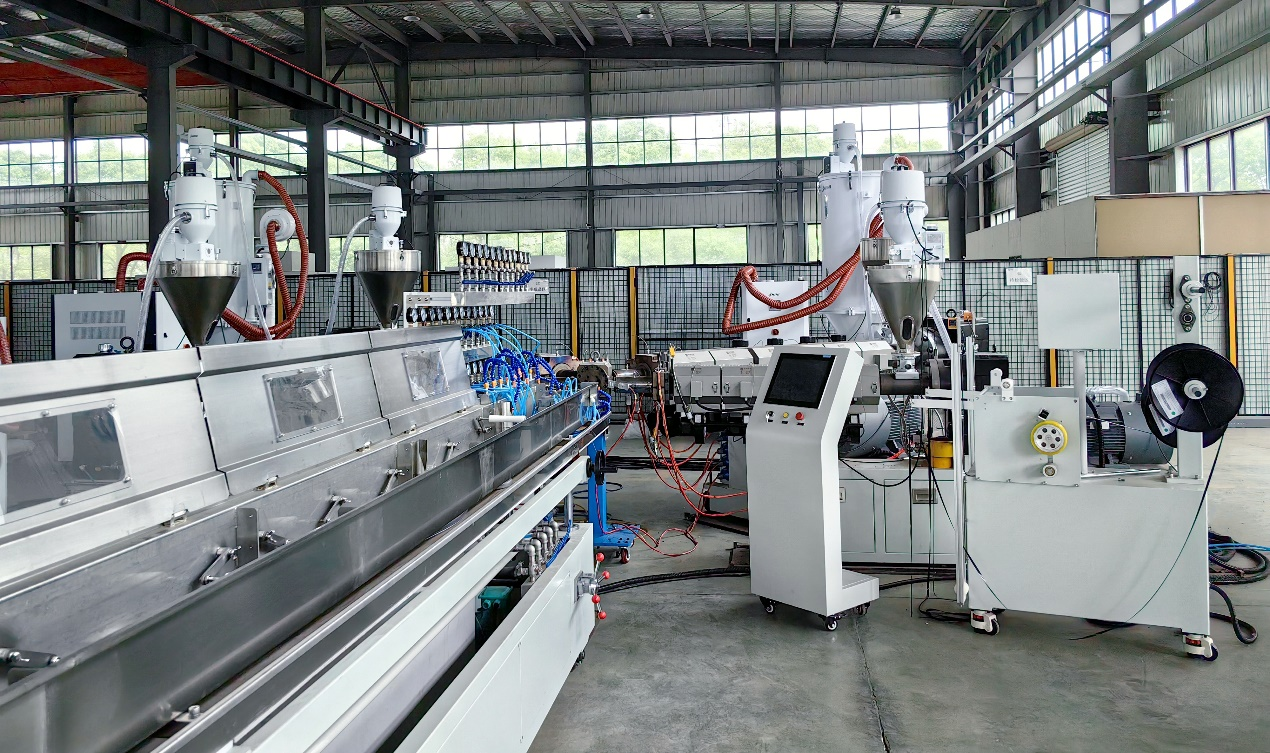
This demand for perfection in the automotive industry has shifted the spotlight onto the manufacturing source: the Highly Automation TPV, PVC Automobile Sealing Strip Extrusion Line Supplier. To meet the stringent standards of 2026, a tpv, pvc automobile sealing strip extrusion line must now integrate multi-layer co-extrusion capabilities, often combining soft and hard materials with metal reinforcement in a single continuous process. These systems utilize precision vacuum sizing and stable cooling technologies to ensure that every millimeter of the profile meets the micron-level tolerances required by global Tier-1 automotive suppliers.
Automotive Sealing: From Basic Rubber to Advanced TPV and PVC
The history of automotive sealing is a narrative of material science meeting mechanical necessity. For decades, traditional EPDM rubber dominated the market. However, the industry’s pivot toward sustainability and lightweighting led to the rise of Thermoplastic Vulcanizates (TPV) and specialized Polyvinyl Chloride (PVC) compounds. Unlike traditional thermoset rubber, TPV offers full recyclability and a significant reduction in weight, contributing directly to the energy efficiency of the vehicle.
The transition to a modern tpv, pvc automobile sealing strip extrusion line was driven by the need for more complex geometries. Early sealing strips were simple single-material profiles, but today’s luxury and electric vehicles require integrated designs that include glass run channels, waist seals, and weatherstrips with flocked or low-friction coatings. This evolution has necessitated a shift from manual, labor-intensive production to highly automated systems that can handle the delicate rheological properties of TPV while maintaining high-speed output.
Technical Excellence in Precision Extrusion Control
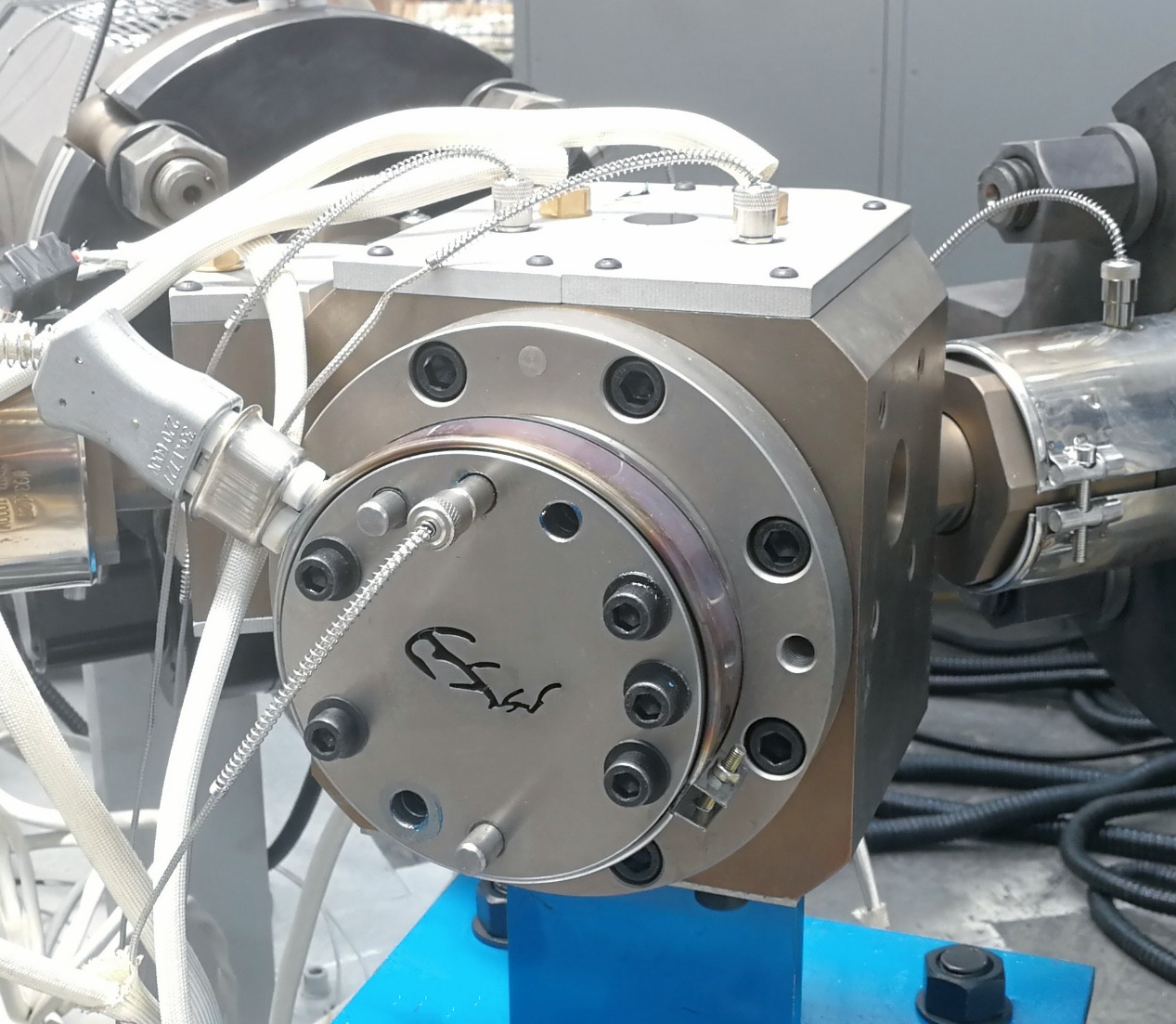
For a leading supplier like BAOD EXTRUSION, founded in 2002, the pursuit of excellence is centered on the stability of the extrusion process. Their 16,000-square-meter manufacturing base in Jiangsu Province serves as a hub for developing cutting-edge technologies that address the core challenges of profile production. A key technical feature of their tpv, pvc automobile sealing strip extrusion line is the ultra-precise screw and barrel design, which ensures uniform plasticization even at high linear speeds.
In the production of automotive seals, "accuracy" is not merely a goal but a requirement. By focusing on more efficient extrusion capacity and advanced process control, the equipment allows for the integration of stainless steel or aluminum carriers within the TPV or PVC matrix. This "metal-insert" co-extrusion requires the line to maintain perfect synchronization between the metal decoiler, the extruder, and the caterpillar haul-off unit. Any fluctuation in speed or temperature would result in warped profiles or internal stresses, making the part unusable for high-end automotive assembly.
Customized Solutions for Differentiated Industry Needs
One of the defining strengths of a premium tpv, pvc automobile sealing strip extrusion line supplier is the ability to move beyond "off-the-shelf" machinery. Recognizing that every vehicle platform has unique requirements, the design philosophy emphasizes customization. This involves considering different equipment combinations—such as adding online punching units, spray coating systems, or laser marking—for each specific user.
By putting themselves in the position of the manufacturer, engineers can optimize the layout to maximize the use value on the factory floor. For instance, in a precision profile extrusion line, the vacuum calibration system is engineered to provide rapid and stable cooling, which is essential for maintaining the complex cross-sectional shapes of window seals. This level of technical detail ensures that the resulting products possess the necessary weather resistance and aging properties to survive decades of exposure to harsh environmental conditions.
Future Horizons: Trends for 2026 and Beyond
As we look toward 2026, the automotive industry is entering a phase of hyper-automation. The role of the tpv, pvc automobile sealing strip extrusion line is evolving from a standalone machine into a fully integrated, data-driven production cell. Several key trends are expected to dominate the landscape in the coming years:
- Intelligent Closed-Loop Control: Future systems will increasingly rely on real-time sensor feedback to adjust extrusion parameters automatically. If the thickness of a PVC seal deviates by even a few microns, the system will self-correct without human intervention, drastically reducing scrap rates.
- Energy Efficiency and Sustainability: With global focus on carbon neutrality, the next generation of the tpv, pvc automobile sealing strip extrusion line will feature optimized heating systems and high-efficiency motors that significantly lower the power consumption per kilogram of output.
- Multi-Material Integration: We anticipate a rise in "four-component" co-extrusion, where hard TPV, soft TPV, and a slip coating are extruded simultaneously. This reduces the need for secondary assembly and improves the overall structural integrity of the seal.
- Enhanced Connectivity: Following the standards of Industry 4.0, these production lines will offer remote diagnostic capabilities, allowing technical experts to provide support across borders, ensuring that production in China or overseas remains uninterrupted.
Global Presence and Quality Assurance
The reliability of these technological advancements is backed by rigorous international standards, including ISO 9001 and CE certification. Participation in major global exhibitions such as CHINAPLAS and Plast Eurasia has allowed for continuous engagement with international market requirements, ensuring that the equipment remains at the forefront of global trends.
The focus remains on discovering optimized precision extrusion process designs in advance. By providing a source for continuous improvement in speed and control, BAOD EXTRUSION is well-positioned to meet the challenges of 2026. Whether it is through the development of more accurate vacuum sizing or more efficient haul-off mechanisms, the goal is always to provide the user with a competitive edge in a rapidly changing automotive market.
In conclusion, the future of automotive sealing lies in the harmony between advanced material science and high-precision mechanical engineering. As a dedicated tpv, pvc automobile sealing strip extrusion line supplier, BAOD EXTRUSION is committed to R&D and customized service, ensuring that the vehicles of tomorrow are quieter, safer, and more sustainable.
For more information on precision plastic extrusion equipment, visit: www.baod-extrusion.com.
Media Contact
Jiangsu BAODIE Automation Equipment Co., Ltd. vicky@baodie.cn No. 6, Sanjiao Road, Economic-Technological Development Area, Haian, Nantong City, Jiangsu Province, China https://www.baod-extrusion.com/