Mumbai, Maharashtra Oct 9, 2026 (Issuewire.com) - Banana Leaf Tales is showcasing its collection of 40 illustrated children’s books by Rama Ganapathy, organised into eight categories that connect Indian family life with humour, friendship, festivals, science and the natural world. The collection offers stories for children reading independently and for parents, grandparents and educators sharing a book with them.
Familiar names and settings give the stories their character: Nani and Nana, Patti and Thatha, Amma and Appa, school projects, busy kitchens and neighbourhood parks. Across the catalogue, everyday experiences become occasions for a funny misunderstanding, a new question or a conversation about caring for someone else.
Ganapathy began inventing funny stories at her grandniece’s request, first sharing them as digital flipbooks with narration. She later brought the stories into print, becoming a published children’s author at 75. “I want children to fall in love with reading,” she wrote in a public reflection on the project.
Giggle with Grandparents
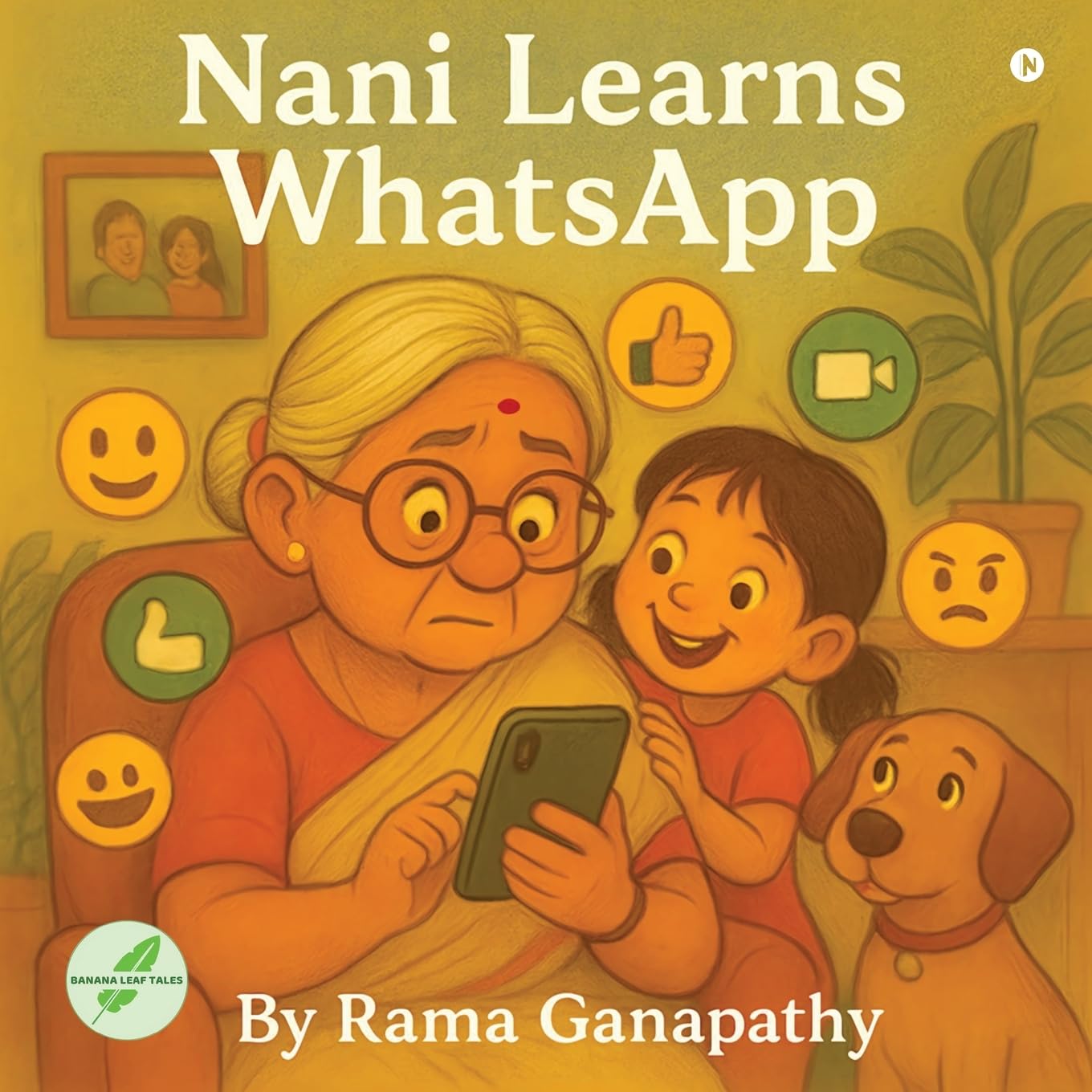
In Nani Learns WhatsApp, a grandmother joins the family group chat and meets the comic possibilities of selfies, voice notes and emojis. Her wish to stay connected gives this story its warmth, while the wider collection celebrates older family members trying new things and sharing adventures with children.
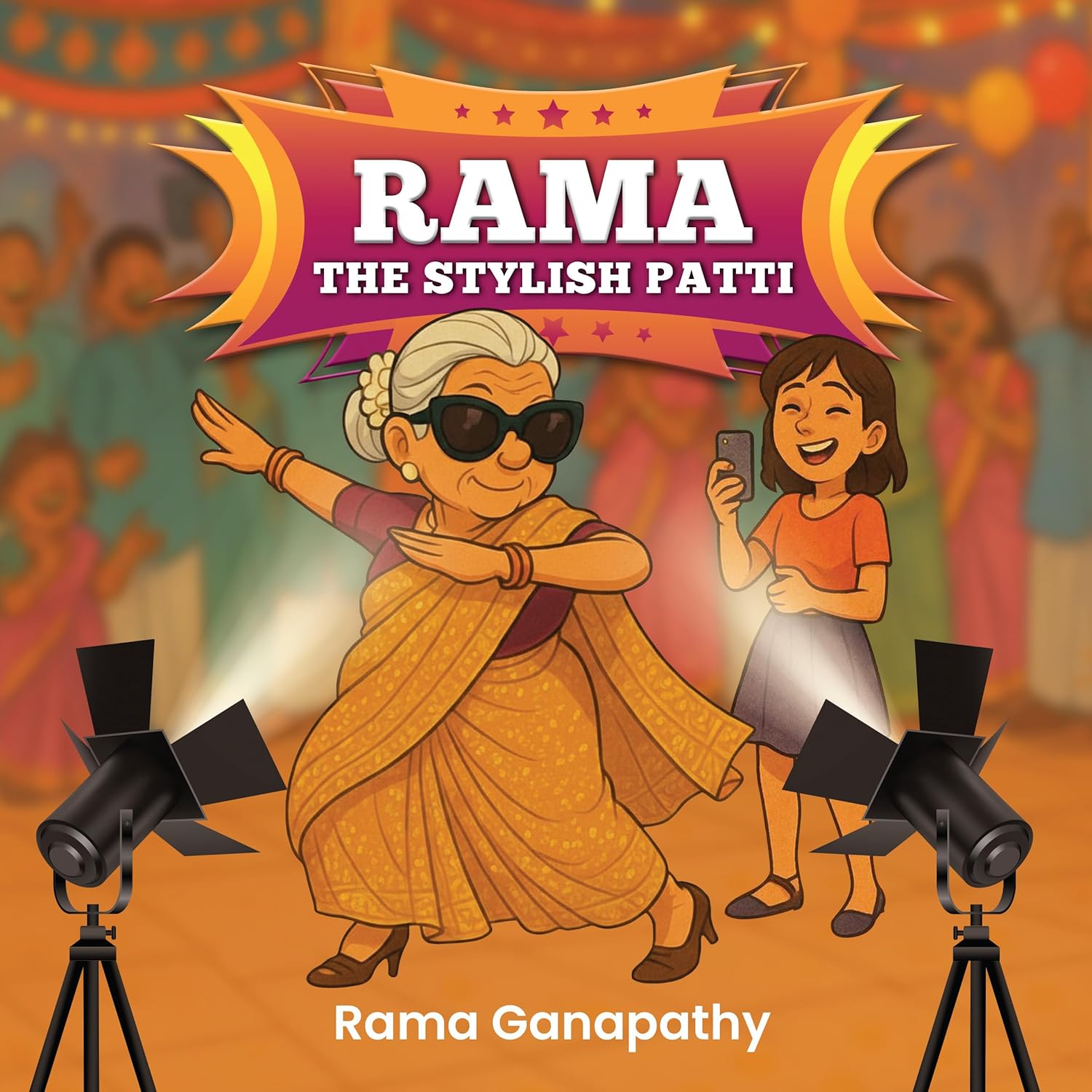
The category also includes Nana and Nani’s Shopping Spree, Bricks and Beats, Patti Teaches Yoga to Puppy, Patti Attends Sanskrit Class, Patti Joins Online Art Class, Nani and Nana’s First Flight, Thatha Makes the Best Bhajias and Rama, the Stylish Patti. Together, the nine books place grandparents at the centre of family comedy and discovery.
Peppy Parents
Kitchen experiments and household routines take the lead in this four-book collection. Oho Amma’s Kitchen follows a mother’s cooking channel, while Amma, the Boss of the House looks at the work involved in running a home. Appa, the Master Chef and Papa’s Gujarati Rasoi add adventures involving fathers and daughters cooking together.
These stories explore familiar family situations through humour, giving children a chance to see parents as characters with their own ideas, mistakes and responsibilities.
Animal Planet
Animal adventures open up questions about courage, cooperation and respect. The five titles are The Enchanting Elephant and The Rebellion Rabbit, Fix-it Fox and the Broken Forest, The Hen Who Wanted to Fly, The Tiger Who Roared into the Wind and Respect Every Worker the Jungle Way.
The stories include a fox learning to ask for help, a hen determined to fly and a jungle community considering the value of different kinds of work. Animal characters create room for conversations about persistence and how a community treats its members.
Festive Flavours
Five stories introduce Indian celebrations through regional customs and family experiences. Aaji and Aajoba’s Eco Ganpati brings grandparents and children together around preparations using clay and natural materials. Four further books explore Navratri traditions across India: The Kolu That Came Alive in the South, Ramlila in Rampuri in the North, Little Pihu and Her Durga Ma in the East, and Navratri Nights – Garba Glows and Dandiya Dreams in the West.
The collection connects the celebrations with children’s experiences of family, storytelling, doll displays, Durga Puja, Garba and Dandiya. It offers families a way to introduce regional customs through characters taking part in them.
Soul Search
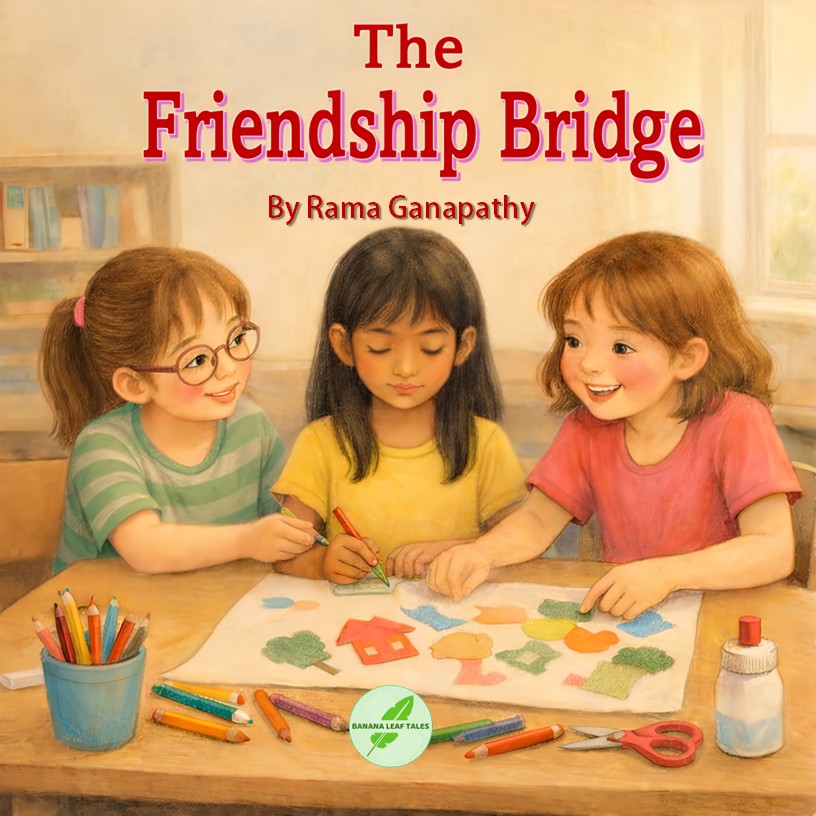
Friendship, listening and care for others connect the four stories in this category. In The Friendship Bridge, Ruhi and Tia work on a school project with Rashmi, a quieter classmate whose approach helps the group solve a problem. The story keeps its focus on the children’s interactions and the patience needed to understand one another.
Together, We Build explores teamwork through the tools in a workshop; Whose Idea Was It Anyway? follows classmates learning to listen during a project; and Mission Shloka: Save Ponnuki follows a child caring for a baby squirrel and preparing to let it return to its family.
Thinky Tales (Educational Series)
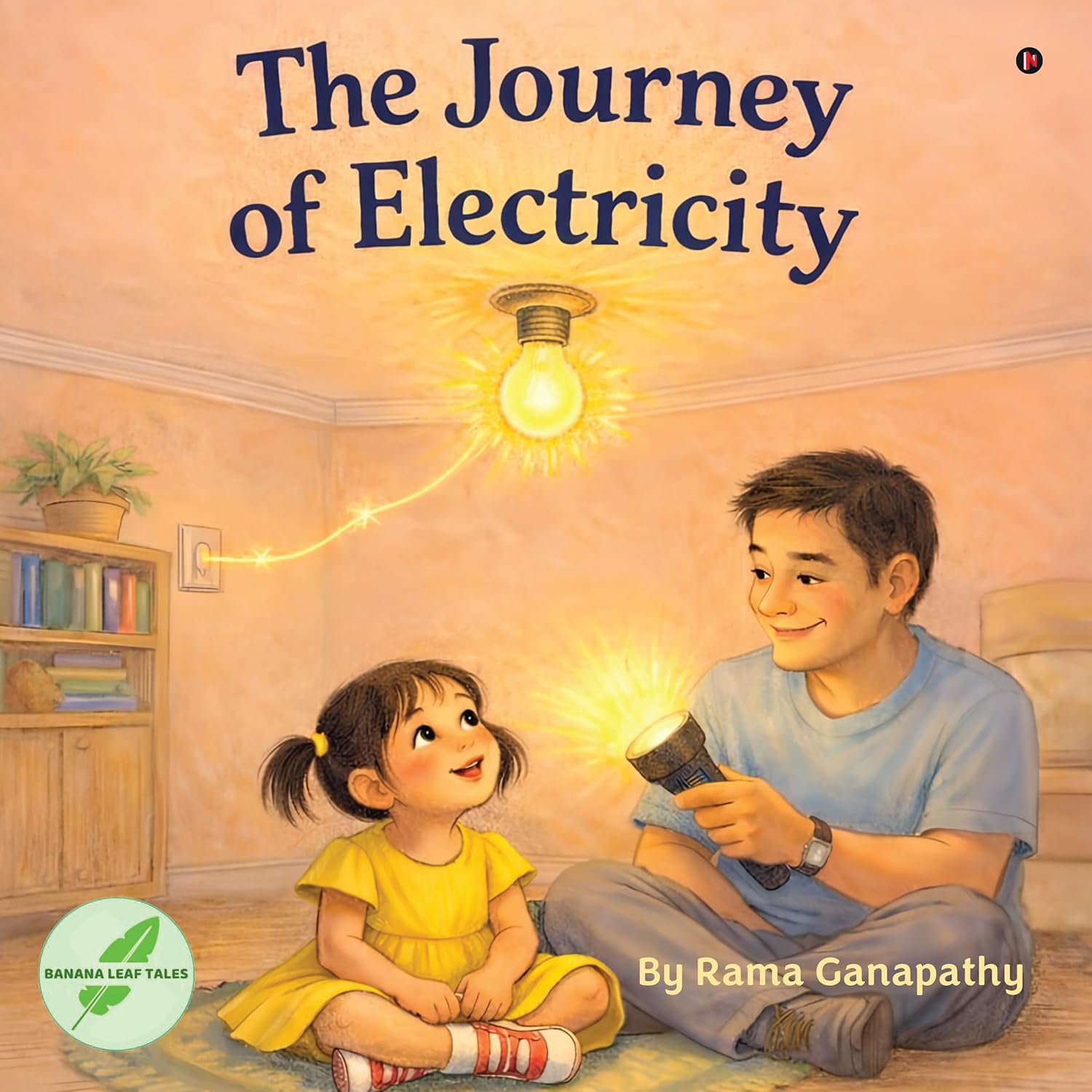
This collection starts with questions children might ask about the things around them. In The Journey of Electricity, Samyu asks her father how light bulbs glow, opening a conversation about circuits, power stations and the journey electricity makes to reach a home.
The category’s other four books explore different everyday systems: Elevator, Up Please! looks at elevators, pulleys and counterweights; Why We Don’t Float Away introduces gravity; Smrithi and the Invisible Toy Store explores online shopping and delivery; and Mithra’s Printer Surprise considers how a printer produces pictures. Together, these stories connect curiosity with explanations of science and technology.
Wholesome Fun
This category follows childhood experiences at home and at play. Tia Babysits Her Little Brother brings humour to sibling responsibility, while Shadow Monster in the Park turns a frightening shadow into a story about imagination and a comic discovery.
Sahana and the Baingan Bonanza, Tia Learns Cycling and Mithra’s Tennis Adventures complete the five-book category, adding food, learning to ride a bicycle and sport to its range. Familiar situations give parents and children openings to talk about persistence, responsibilities and the surprises that can interrupt an ordinary day.
Nature Nods
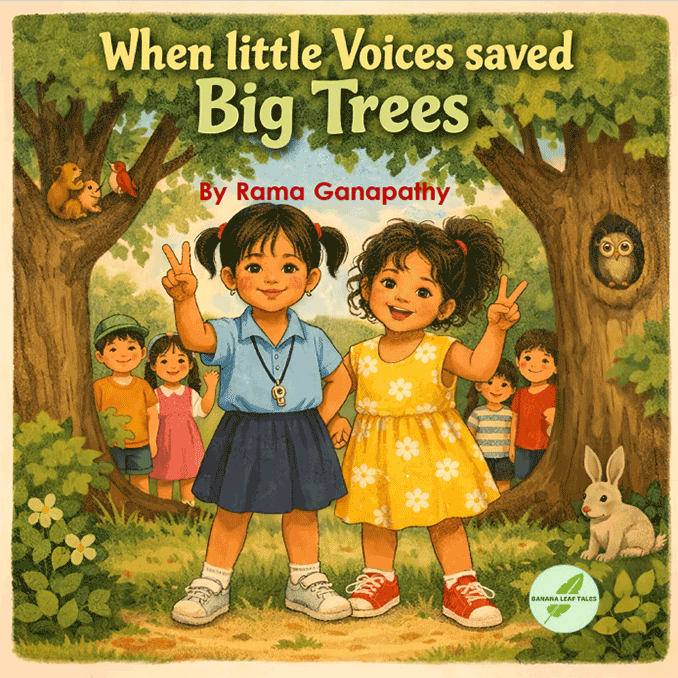
Nature Nods connects children with green spaces and the living world. In When Little Voices Saved Big Trees, Mithra and Shloka seek support when trees in their neighbourhood park are threatened. Their effort to protect a familiar place brings teamwork into a story about conservation.
Leafy’s Sky Adventure follows a leaf’s journey and an unexpected friendship with a sparrow. The Girl Who Collected Smiles follows a girl inspired by flowers in her garden to spread happiness through small gestures. The three stories offer different approaches to noticing, valuing and caring for the world around us.
Stories for Family Reading
The eight categories let families choose a starting point that matches a child’s interests, whether that is a funny grandparent, a festival, a science question or an animal adventure. The short illustrated format is intended for children reading on their own and for adults reading with them.
Readers can browse the complete collection and individual book descriptions on the Banana Leaf Tales website. Product pages provide retailer links, including Amazon India, Amazon International, Flipkart and Notion Press, so readers can check purchasing options for the titles that interest them.
About Banana Leaf Tales
Banana Leaf Tales is Rama Ganapathy’s collection of illustrated children’s stories rooted in Indian life and traditions. Its books span family humour, friendship, festivals, nature and everyday discoveries, for young readers and the adults who share stories with them.
Media Contact
Banana Leaf Tales hello@bananaleaftales.com http://bananaleaftales.com




