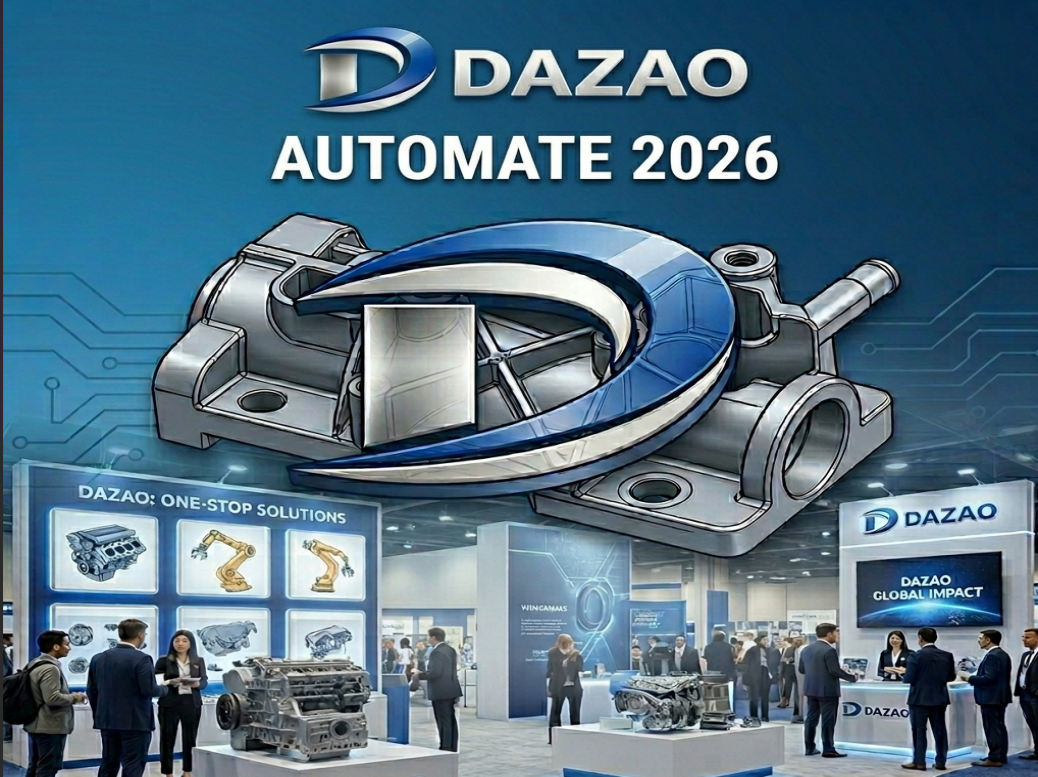
Xiamen, Fujian May 21, 2026 (Issuewire.com) - As the global manufacturing landscape shifts toward smarter and more connected systems, Automate Show 2026 (scheduled this June in Chicago) is expected to draw a wide range of automation engineers, OEMs, and sourcing teams.
Interestingly, the focus is no longer only on robots or AI software. In many conversations with buyers, the real concerns are much more practical—how to reduce weight without sacrificing strength, whether a part should move from CNC to die casting, and how to scale production without losing precision or delivery reliability.
In real-world automation projects, these challenges usually appear in very specific ways.
In high-speed robotic systems, reducing weight can significantly improve response time. But excessive lightweighting often leads to vibration or long-term stability issues.
Many teams rely on CNC machining during prototyping for flexibility, but as volumes increase, the cost per unit becomes difficult to justify. when die casting starts to be evaluated not as a replacement,but as a scaling strategy.
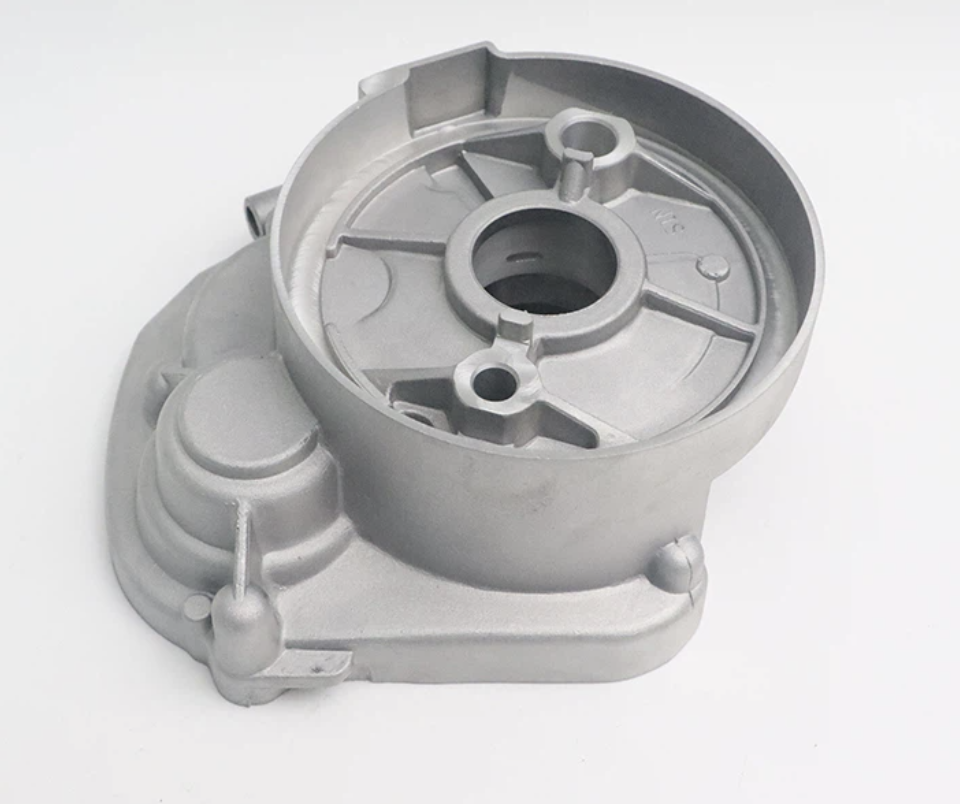
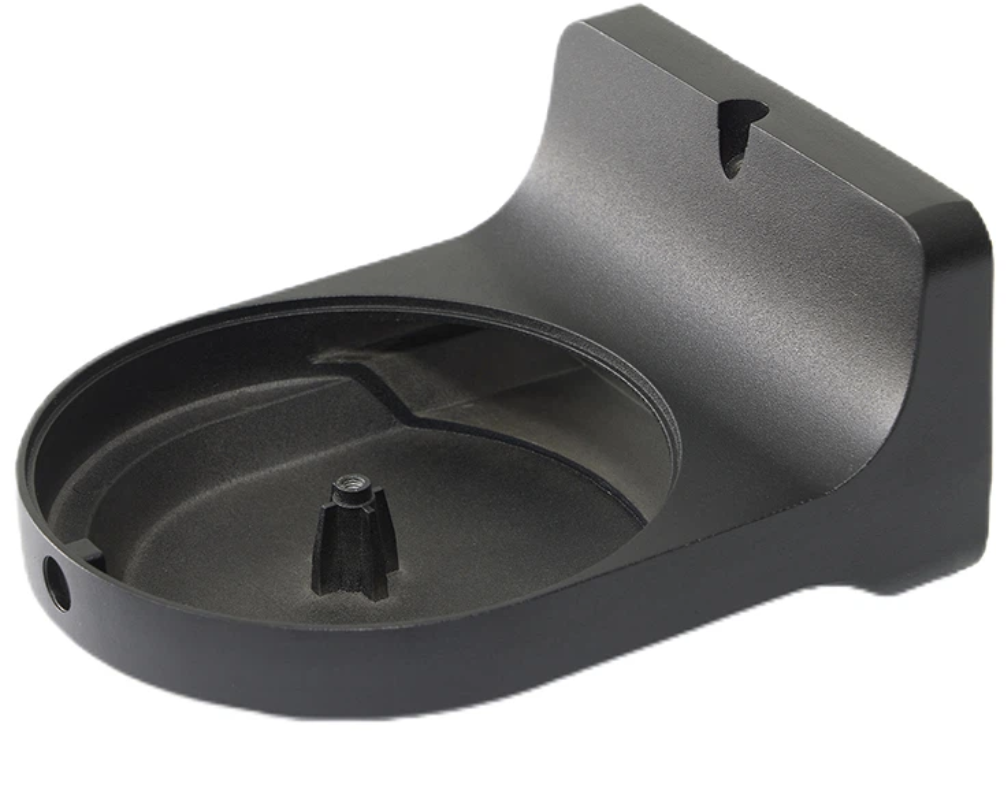
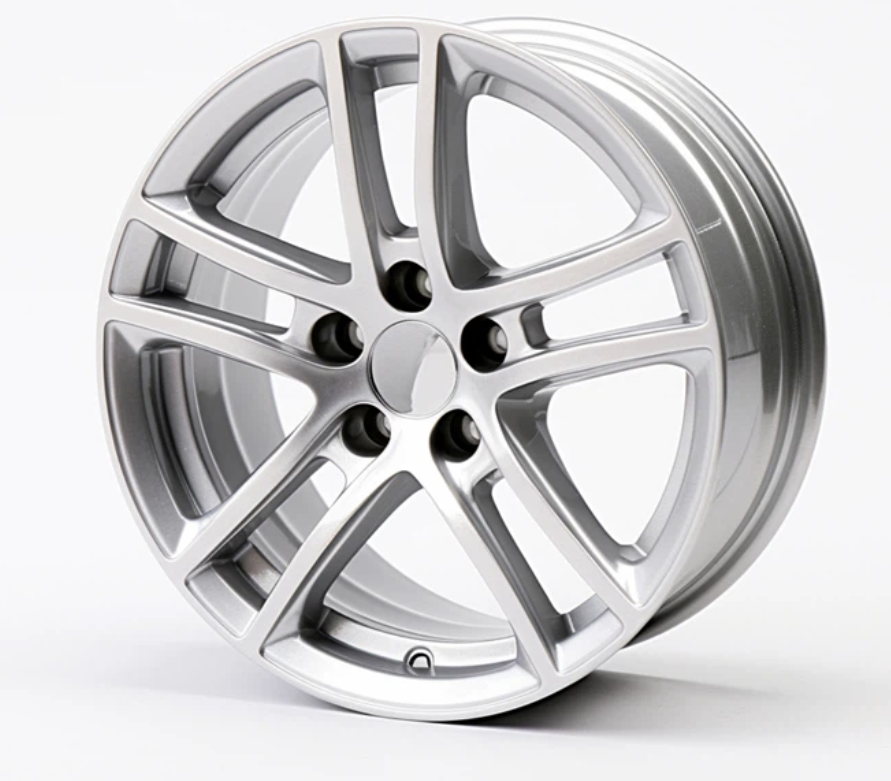
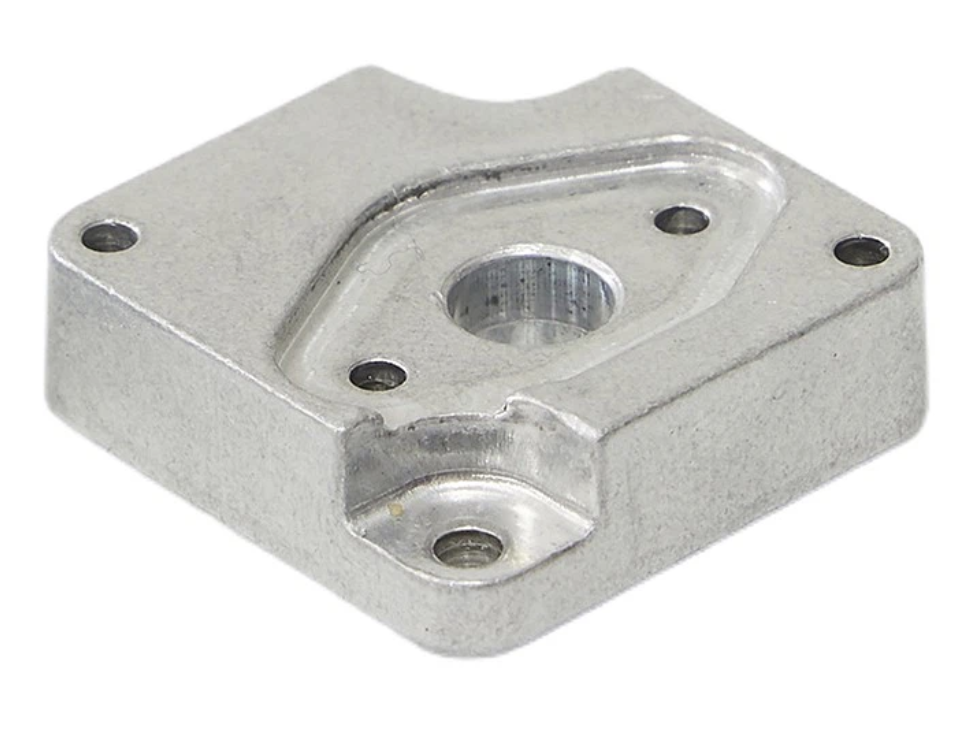
In response to these evolving requirements, aluminium and zinc die casting have become widely used in automation components such as robotics, sensors, and electronic housings.
With over 20 years of experience, DAZAO has gradually positioned itself not just as a die casting supplier, but as a manufacturing partner involved earlier in the design stage. By integrating mold design, casting, CNC machining, and surface finishing within one system, projects can avoid the common tolerance and communication issues that often occur when multiple vendors are involved.
Why Die Casting Is Widely Used in Automation Equipment?The Shifting Requirements in Automation Components
The trends reflected at Automate 2026 are already visible in current product designs—systems are becoming smaller, more integrated, and more performance-driven.
In practice, this means components are expected not only to function, but to maintain stability under vibration, manage heat effectively, and remain dimensionally consistent across different operating conditions.
The rising adoption of aluminium and zinc die casting for automation components stems from their ability to offer high strength-to-weight ratios that other manufacturing methods, such as plastic injection or heavy steel assembly, struggle to match at scale. DAZAO has successfully entered this growth market by positioning itself as a vertically integrated partner rather than just a parts supplier. By managing the entire lifecycle of a component—from the initial material selection to the final surface-treated part within a unified quality management system—DAZAO eliminates the common dimensional variances and specification gaps that often occur when projects are fragmented between multiple specialized vendors. This integration is a core advantage for automation clients who require seamless transitions between engineering stages.
Common Challenges When Sourcing Die Casting Parts for Automation
Sourcing engineers and product designers in the automation sector frequently navigate several complex technical trade-offs that can determine the success of a product launch:
Balancing Lightweighting with Structural Rigidity: In robotic end-effectors or high-speed linear modules, reducing mass is essential for improving response times and energy efficiency. However, mass reduction cannot come at the expense of structural density. DAZAO utilizes advanced alloy analysis to ensure parts provide the necessary stiffness to prevent deformation under the long-term cyclic loading typical of 24/7 automated operations.
Manufacturing Complex Geometries at Scale: Modern automation designs often integrate multiple features—such as internal cooling fins, cable management channels, and mounting brackets—into a single structural unit. While CNC machining works well during early prototyping, many teams find that the cost per unit quickly becomes unsustainable once production volumes increase. Die casting allows these complex shapes to be produced near-net-form, significantly reducing material waste and production time.
Consistency Across Global Supply Chains: For multi-national automation firms, a part produced in January must be identical to a part produced in December. Maintaining this dimensional stability across thousands of units requires rigorous process control and mold maintenance, which are central features of DAZAO’s production philosophy.
Technical Compliance and Traceability: In sectors like medical automation or automotive assembly, every part requires a "birth certificate." The ability to trace the specific heat number of an alloy and the specific machine parameters used during casting is a prerequisite for entering high-tier markets.
Aluminium vs Zinc Die Casting: Materials, Processes and Differences
Mold Design — Where Quality Begins
At DAZAO, quality is not an afterthought; it is engineered into the mold before the first ounce of metal is poured. The company employs a dedicated team of over ten experienced mold design engineers who utilize flow simulation software to optimize runner systems and cooling channels. This is particularly crucial for complex geometries where air entrapment or uneven cooling can lead to porosity.
Utilizing high-precision 4-axis and 5-axis CNC equipment, DAZAO crafts molds from high-grade specialty steels such as H13, SKD61, P20, and 718. To ensure the longevity of the mold and the surface quality of the parts, these molds undergo specialized treatments including vacuum heat treatment, nitriding, or chrome plating. For an automation manufacturer, a scientifically designed and well-maintained mold is the primary safeguard against dimensional drift, ensuring that the tenth-thousandth part is as precise as the first.
Aluminium Die Casting — Lightweight Structural Components
Utilizing the cold chamber process, aluminium die casting is the preferred method for alloys that require superior thermal conductivity and structural strength. DAZAO works with a wide range of international standard alloys, including A380, ADC12, A360, A390, and A413, selected based on actual application requirements rather than cost alone—be it for high-corrosion environments or high-heat dissipation requirements.
The technical capabilities of DAZAO’s aluminium and zinc die casting Services include achieving tolerances as tight as ±0.015mm through secondary processing. Because the company also specializes in CNC machining for metal and plastic Parts, any critical mating surfaces, bearing seats, or threaded holes are precision-refined in-house. This single-site approach prevents the surface oxidation and logistical delays associated with shipping raw castings to a separate machine shop. Furthermore, DAZAO offers a comprehensive suite of surface finishes—from hard-coat anodizing and powder coating to sandblasting and laser etching—ensuring the final component is ready for immediate assembly upon arrival.
Zinc Die Casting — Precision and Intricate Details
For automation components requiring exceptional dimensional precision and complex, thin-walled details, the hot chamber zinc die casting process is the gold standard. Common alloys processed include Zamak 3, Zamak 5, and ZA-8. Zinc is characterized by its superior impact strength, stability, and excellent electrical shielding properties.
DAZAO’s expertise in zinc casting allows for the production of parts with wall thicknesses as thin as 0.8mm, which is essential for modern, compact industrial sensors and automotive electronic housings. The high fluidity of zinc alloys enables the exact replication of intricate mold details, resulting in a high yield rate of 95% for complex parts. This process also facilitates shorter cycle times, providing a cost-effective solution for high-volume precision components.
Typical Die Casting Applications in Automation EquipmentAluminium Die-Cast Heat Sinks — Shifting from Machining to Casting
One typical case involved a U.S. customer who initially produced heat sinks using CNC machining during the R&D phase. This allowed for maximum design flexibility, but as demand increased, the machining cost became a clear bottleneck.
After reviewing the design, we worked with their engineering team to adjust the fin structure so it could be adapted for die casting. This change not only reduced unit cost, but also improved delivery consistency—something that became critical as production scaled.
Complex Structural Components — Combining Die Casting and Machining
For structural components with complex internal cavities or intricate hydraulic/pneumatic flow paths, neither casting nor machining is a standalone solution. DAZAO frequently employs a sophisticated hybrid approach: utilizing high-pressure die casting to create the near-net-form base structure and following up with precision CNC machining on critical alignment faces and internal bores. This method provides the geometric freedom and material efficiency of casting with the micron-level accuracy of machining—a combination frequently required in robotic actuators and high-end automotive assemblies.
Zinc Die Casting Applications — Precision Electronics and Automotive Components
Within DAZAO’s service portfolio, zinc die casting is predominantly utilized for electronic enclosures, precision connectors, and automotive interior structural parts. The ability to achieve a "ready-to-plate" surface finish directly from the mold is a major advantage of zinc. When paired with electroplating or specialized decorative coatings, these parts meet both the functional requirements for electromagnetic interference (EMI) shielding and the high aesthetic standards required for human-machine interface (HMI) components.
How to Ensure Consistent Quality in Die Casting Production?Material and Process Parameter Management
To ensure absolute repeatability across production cycles, DAZAO maintains a comprehensive digital database of process parameters for every mold and alloy combination. For aluminium casting, the focus is on micro-controlling the injection speed, intensification pressure, and holding time to eliminate internal porosity and achieve a dense, high-strength structure. For zinc casting, the emphasis shifts to mold temperature stability and cycle time optimization, which are critical for maintaining surface integrity during high-efficiency production runs.
Documentation-Driven Delivery and Quality Assurance
DAZAO’s delivery process is governed by a rigorous documentation system that mirrors the standards of the automotive and aerospace industries. Every shipment is accompanied by a full quality package, including:
Material Certificates: Detailed chemical analysis including Heat Numbers for full raw material traceability.
Full-Dimensional Inspection Reports: Utilizing CMM (Coordinate Measuring Machine) and other precision instruments to verify all critical tolerances.
Process Control Records: Documentation of the specific machine settings used during the production lot.
Compliance Data: Verification of RoHS and REACH compliance for global market entry.
With at least ten distinct quality check stages—from raw material ingots to final pre-shipment inspection—DAZAO maintains a stable out-of-box qualification rate of 99.98%.
Rapid Engineering Collaboration and Prototyping
Understanding that speed-to-market is a competitive necessity in the automation sector, DAZAO operates a dedicated sample department. This unit is capable of delivering rapid CNC prototypes in 3 to 5 working days for design verification. Furthermore, initial T1 die casting samples can often be delivered in as little as 10 to 15 days, significantly faster than the industry average. This responsiveness allows automation engineers to iterate designs quickly, perform functional testing, and move into small-batch trial production without the traditional delays associated with heavy manufacturing.
Strategic Manufacturing Partnership for the Future of Automation
The demand for high-performance precision components in the automation industry is accelerating toward a future defined by lightweighting, extreme precision, and total supply chain transparency. Aluminium and zinc die casting technologies, with their unique balance of geometric complexity, material performance, and economic scalability, are central to this industrial evolution.
The value proposition offered by DAZAO rests on three fundamental pillars: a one-stop manufacturing loop that eliminates the risks of multi-vendor sourcing; a foundation of IATF16949 certification that ensures every part meets global quality and traceability standards; and a robust production capacity capable of scaling to millions of pieces per month. For automation manufacturers attending Automate 2026, integrating die casting considerations early in the design phase is no longer just a cost-saving measure—it is a strategic advantage.
For automation equipment manufacturers and industrial product developers seeking reliable partners for aluminium and zinc die-casting components, DAZAO offers a comprehensive engineering collaboration service—from initial prototype validation to full-scale mass production.
For teams currently evaluating whether a part should remain CNC-machined or transition to die casting, it is often beneficial to consider both processes early in the design stage.
Small design decisions—such as wall thickness, draft angles, or internal structures—can have a significant impact on manufacturability and cost later on.
If you already have drawings available, a preliminary DFM review can usually identify these opportunities early and help avoid costly redesigns during production.
For more information and to explore our full range of capabilities, please visit the official website: www.partengineer.com.
Media Contact
Xiamen Dazao Machinery Co., Ltd. erica@dazaocn.com N0.153, Tong'an Garden, Tong'an Industry Concentration Zone, Xiamen, Fujian, China https://www.partengineer.com/