Yantai, Shandong Apr 2, 2026 (Issuewire.com) - The Evolution of Industrial Packaging
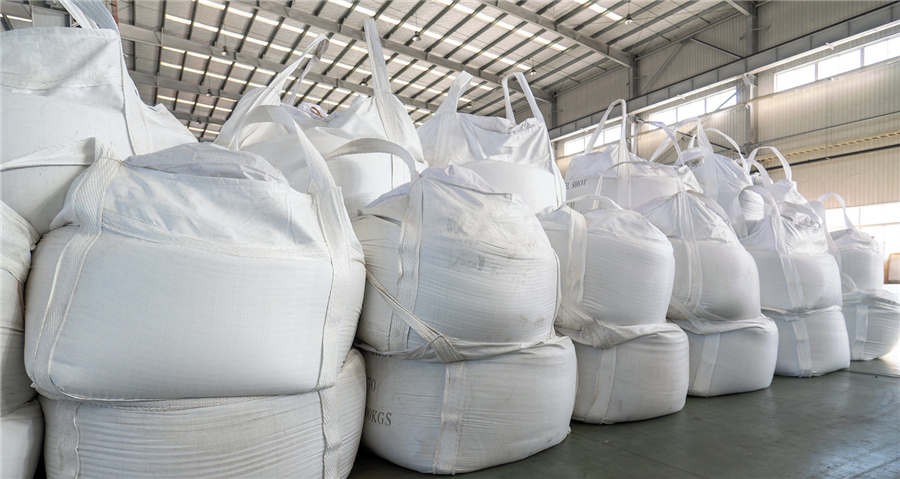
In the complex architecture of modern global commerce, the efficient movement of raw materials—ranging from fine chemical powders to agricultural grains and industrial minerals—relies heavily on the integrity of industrial packaging. Flexible Intermediate Bulk Containers (FIBCs), often referred to as bulk bags or super sacks, serve as the silent workhorses of international trade. As a versatile China Top OEM Flexible Intermediate Bulk Containers Supplier, Zsbulkbags has become a critical node in this logistics network, providing standardized and custom-engineered containment solutions that safeguard goods throughout their journey across oceans and borders.
With distribution channels increasingly strained by geopolitical volatility, fluctuating fuel costs, and stringent environmental regulations, industrial players are no longer treating packaging as a mere commodity. The focus has transitioned toward reliability, safety, and sustainable efficiency. FIBCs have emerged as the premier tool for scaling logistics, offering a high strength-to-weight ratio that maximizes shipping container volume while minimizing the carbon footprint associated with heavier, rigid storage systems.
Zsbulkbags’ Manufacturing Excellence
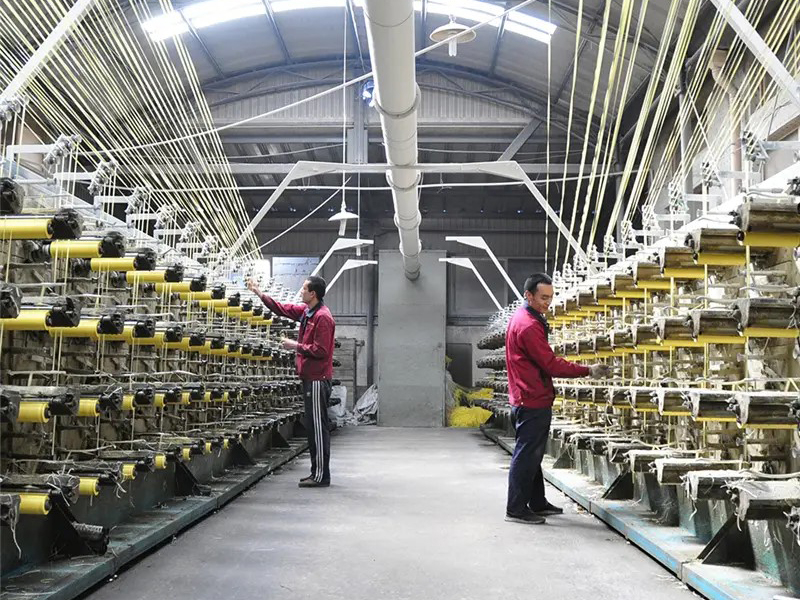
At the core of efficient bulk logistics lies the necessity for consistent manufacturing standards. With a legacy dating back to 1988, Yantai Zhensheng Plastic Products Co., Ltd.(Zsbulkbags) has established a robust production infrastructure across its 60,000-square-meter facilities. Operating with ISO 9001 and ISO 22000 certifications, the company underscores the importance of quality control in environments where product contamination or structural failure could lead to significant financial and operational losses. We also provide OEM and ODM FIBC bulk bag solutions tailored to different applications.
The OEM/ODM model employed here extends beyond simple contract manufacturing. By integrating a closed-loop production chain—starting from the processing of virgin polypropylene (PP) raw materials to the final weaving, sewing, and testing phases—the company maintains precise control over material integrity. This vertical integration allows for rapid adaptation to diverse industry requirements, whether it involves specialized antistatic treatments for chemical transport or food-grade certification for agriculture.
Optimizing Global Supply Chains
For global buyers, the value of a supplier is measured by its capacity to mitigate systemic risk through engineered packaging solutions. Integrating FIBCs into supply chain management strategy relies on three critical pillars:
- Logistics Stability and Environmental Resilience
Long-haul ocean freight is an inherently rigorous environment, subjecting cargo to extreme humidity, fluctuating temperatures, and frequent mechanical handling. To ensure structural integrity throughout transit, high-performance packaging must incorporate UV-stabilized resins and moisture-resistant barrier designs that withstand physical stressors and environmental degradation. This meticulous control over material specifications is essential for maintaining cargo integrity upon arrival at destination ports, thereby significantly reducing the risk of supply chain disruptions caused by container failure or contamination.
- Regulatory Compliance as a Risk Mitigation Tool
In an era of tightening international trade regulations, compliance serves as a vital safeguard for supply chain continuity. Whether adhering to United Nations (UN) standards for the transport of hazardous chemicals or meeting stringent global benchmarks for food-grade safety, the compliance level of the packaging directly dictates customs clearance efficiency and operational risk. Utilizing packaging solutions that are rigorously tested and certified to international standards enables companies to navigate safety inspections and regulatory barriers seamlessly, ensuring consistent cross-border operability.
- Responsive Capacity and Inventory Resilience
The inherent volatility of modern supply chains demands a high degree of supplier agility. As an OEM provider, Zsbulkbags leverages an annual production capacity exceeding 3 million units combined with lean management strategies to provide global partners with a buffer against demand fluctuations. This responsive mechanism allows enterprises to bypass the necessity for costly emergency logistics or production halts during market spikes. By maintaining a reliable, high-volume production flow, the manufacturer ensures that the supply of critical packaging remains stable, allowing for predictable lead times and optimized inventory costs throughout the global distribution network.
Material Science & Functional Benefits of Modern FIBCs
The physical demands placed on FIBCs (Flexible Intermediate Bulk Containers) require sophisticated material science. Modern industrial applications necessitate bags that can withstand extreme climates—resisting brittleness in sub-zero regions or preventing caking and moisture absorption in tropical zones. For global logistics, this environmental resilience translates into minimized product spoilage and guaranteed material integrity, ensuring that your cargo arrives in "factory-fresh" condition regardless of the destination.
Precision in manufacturing is equally vital. The structural performance of a bag—its capacity to hold thousands of kilograms without leakage—depends on advanced sewing techniques, bottom reinforcement designs, and high-integrity sealing. These technical specifications deliver direct operational advantages: they significantly improve loading and unloading efficiency. By utilizing high-strength, anti-toppling designs and precision-engineered spouts, our bags facilitate faster forklift handling and seamless integration with automated filling lines, reducing downtime caused by packaging failure or material spillage.
Furthermore, the industry is moving toward sustainable paradigms. By utilizing refined plastic modification and lightweighting technologies, manufacturers are achieving high strength requirements while simultaneously reducing the weight of plastic per unit. This innovation allows buyers to meet their internal ESG (Environmental, Social, and Governance) targets without compromising cargo safety. Moreover, lighter yet stronger bags lead to lower shipping costs and a reduced carbon footprint, turning sustainable packaging into a tangible competitive advantage for the supply chain.
Future Outlook: Digitalization and Green Logistics
Looking ahead, the FIBC sector is poised for further evolution. Trends point toward enhanced material recyclability, the adoption of bio-based resins, and the integration of traceability features that allow logistics managers to monitor bulk assets throughout the supply chain. Through consistent investment in lean management and process innovation, established manufacturers remain at the forefront of these transitions, ensuring that packaging continues to facilitate, rather than hinder, the global flow of goods.
As international supply chains continue to grow in complexity, the importance of robust, high-quality bulk containment has never been more apparent. By bridging the gap between rigorous technical manufacturing and the diverse needs of global industries, companies like Zsbulkbags provide the stability required to maintain modern trade. For enterprises seeking to streamline their logistics and ensure the safe, compliant, and efficient transit of materials, the choice of a high-performance packaging partner is a critical strategic decision.
For expert guidance on selecting the right packaging for the specific industrial needs, contact Zsbulkbags technical team for tailored FIBC sultation. Learn more at: https://www.zsbulkbags.com/
If you are looking for a reliable FIBC manufacturer or custom bulk bag solutions, feel free to contact us.
Media Contact
Yantai Zhensheng Plastic Co., Ltd. zhouhongkatherine@zsplas.cn http://www.zsbulkbags.com