Tirane, Albania Sep 9, 2026 (Issuewire.com) - Modern dentistry is increasingly combining clinical expertise with digital diagnostics, advanced laboratory workflows, and structured treatment planning to improve the experience and outcomes of patients undergoing complex dental procedures.
A comprehensive approach is particularly important for patients requiring extensive restorative or implant treatment. Full-mouth rehabilitation, for example, may involve multiple stages including diagnosis, implant placement, provisional restorations, laboratory fabrication, definitive prosthetic treatment, and long-term maintenance.
One area receiving growing attention is full-arch implant rehabilitation. All on 6 dental implants Albania is an option for suitable patients who have sufficient bone volume to support six implants across the arch. The six-implant configuration can provide additional support and broader load distribution compared with four-implant solutions, although the appropriate approach depends on individual anatomy, bone availability, occlusion, and clinical requirements.
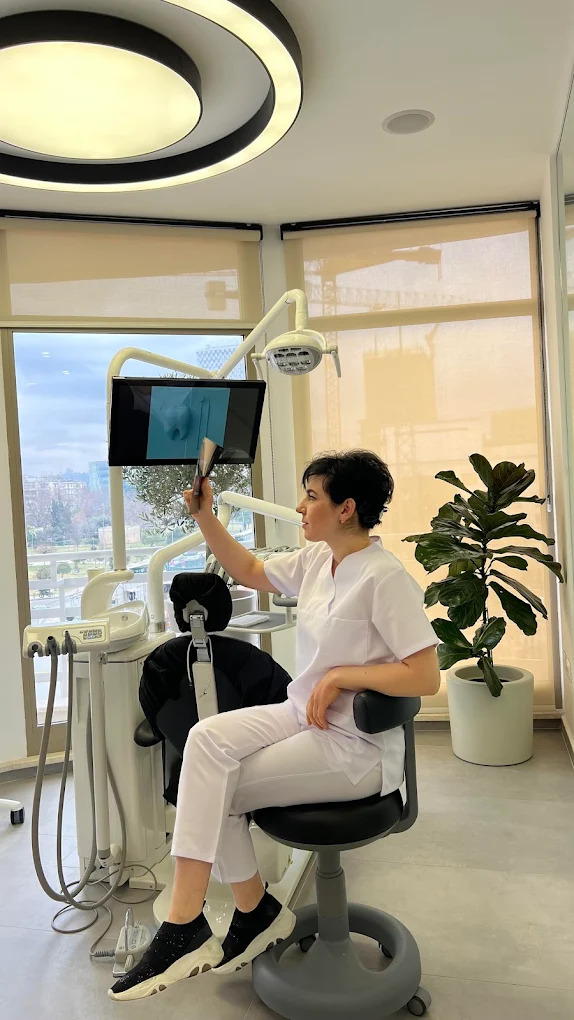
Modern diagnostic equipment plays an important role in determining whether this type of treatment is appropriate. Three-dimensional CBCT imaging allows clinicians to evaluate bone dimensions and anatomical structures before implant placement. Digital planning can then be used to assess implant positions and coordinate the surgical and restorative stages.
Laboratory technology is another important part of complex dental treatment. CAD/CAM workflows and digital impressions can improve communication between the clinical and laboratory teams while supporting the production of accurately designed restorations. An in-house laboratory can also make it easier for clinicians and technicians to communicate directly when adjustments or technical decisions are required.
For full-arch cases, treatment may involve a provisional prosthesis followed by a definitive restoration after the implants have undergone osseointegration. This staged approach provides an opportunity to monitor function, healing, occlusion, aesthetics, and patient adaptation before the final prosthesis is completed. Current treatment protocols for All-on-6 may involve a provisional restoration on the day of surgery and a definitive prosthesis after the healing period, depending on implant stability and clinical circumstances.
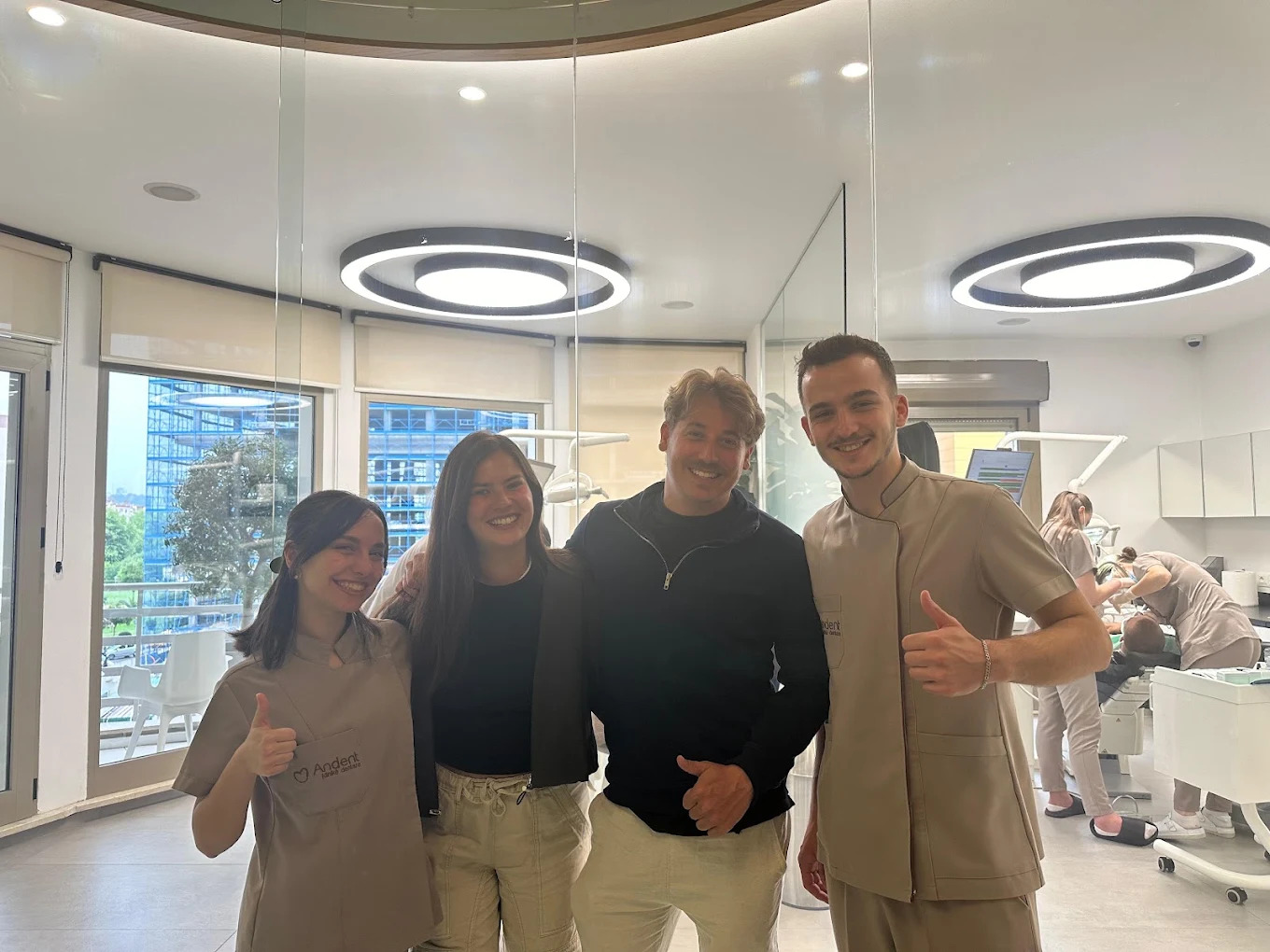
Patient success stories also demonstrate the range of situations in which comprehensive dental treatment may be considered. Individuals with extensive tooth loss, severely worn dentition, failing restorations, or advanced restorative needs may require coordinated treatment rather than isolated procedures.
Quality control extends beyond clinical equipment. Implant documentation, material selection, laboratory communication, sterilisation procedures, diagnostic records, and postoperative monitoring all contribute to a structured treatment process.
For international patients, coordination is another practical consideration. Clear treatment schedules, diagnostic documentation, communication before and after treatment, and appropriate follow-up arrangements can make complex dental care easier to manage when patients are travelling from another country.
The combination of digital imaging, computer-assisted planning, CAD/CAM laboratory technology, modern implant systems, and experienced clinical teams is helping dental practices manage increasingly complex cases with greater consistency.
For patients considering full-mouth rehabilitation or implant-supported restorations, the most important consideration is not simply the number of implants or the equipment used. A proper clinical assessment should determine whether the proposed treatment is appropriate, explain the alternatives, and establish how the restoration will be maintained over the long term
Media Contact
Dr. Anduela Çurmaku hello@andent.al https://andent.al/general-dentistry/