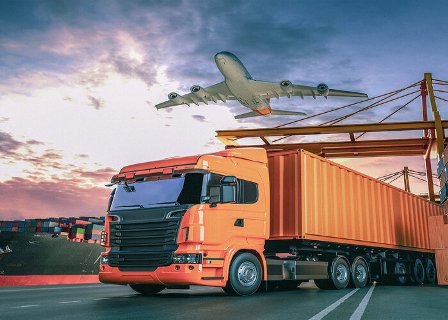
Dongguan, Guangdong May 25, 2024 (Issuewire.com) - One of the most important and dynamic aspects of world trade is the flow of freight from China to Europe. This thousands-mile transcontinental voyage, which involves several forms of transportation, is an essential lifeline for the world economy since it spurs growth and opens up hitherto unheard-of market connections.
Businesses, legislators, and logistics experts must comprehend the nuances of this freight corridor. At the same time, China maintains its status as the global center of manufacturing, and Europe remains a significant consumer market.
The three main ways that goods are transported from China to Europe are via train, air, and sea. Every one of these modes has special benefits, difficulties, and subtleties of functioning. Because of its capacity and affordability, maritime freight—which is made possible by enormous container ships—continues to be the most popular mode of transportation. European ports like Rotterdam, Hamburg, and Antwerp function as important entry points, while major Chinese ports like Shanghai, Shenzhen, and Ningbo serve as departure terminals. This maritime route, which usually passes through the Suez Canal, is essential for the bulk transportation of commodities, including machinery, automobile components, textiles, and electronics.
China's Belt and Road Initiative has brought rail freight back to life and is a very attractive alternative. With the construction of the Eurasian Land Bridge, transit times have been greatly reduced, offering an alternative to the more costly air freight and the slower sea route. From Chinese towns like Chongqing, Xi'an, and Yiwu, trains loaded with containers travel to European locations, including Duisburg, Warsaw, and Madrid. The voyage, which can take 18 to 20 days, is becoming more affordable and quicker than maritime transportation. Car parts, industrial gear, and consumer electronics are examples of commodities that benefit greatly from rail freight but do not warrant the cost of air freight services available.
Even though it is the most costly mode of transportation, air freight is essential for valuable and urgent items. Within hours, cargo is sent from major Chinese airports in Beijing, Shanghai, and Guangzhou to major European centers like Frankfurt, Amsterdam, and Paris. Products where speed and dependability are crucial, such as medications, clothing, and high-tech components, are preferred to use this mode. The global pandemic highlighted the value of air freight, particularly for essential commodities like vaccinations and medical equipment, emphasizing its function in preserving supply chain resilience in times of emergency.
Numerous factors impact the selection of a method of transportation. In addition to the three main factors of cost, speed, and dependability, firms also need to take into account the nature of their commodities, legal requirements, and environmental impact. Many businesses have assessed the carbon footprint of their logistics operations in response to the growing emphasis on sustainability, and rail freight frequently proves to be a more environmentally responsible choice than air and sea freight.
Trade laws and customs processes add even more levels of intricacy. Transporting goods from China to Europe requires negotiating a complex web of tariffs, regulations, and documentation requirements. Effective customs clearance procedures are essential to preventing hold-ups and extra expenses. The goal of programs like the New Computerized Transit System (NCTS) and the Authorized Economic Operator (AEO) program is to improve cross-border commerce efficiency by streamlining these processes. Furthermore, by lowering tariff barriers and harmonizing regulations, free trade agreements and economic partnerships between China and European nations can promote easier trade flows.
The freight landscape from China to Europe is changing as a result of the digital transformation of logistics. Supply chain operations are incorporating cutting-edge technologies like blockchain, the Internet of Things (IoT), and artificial intelligence (AI) to improve efficiency, traceability, and transparency. For example, blockchain technology lowers the risk of fraud and errors by enabling transparent and safe tracking of commodities from the point of origin to the point of destination. IoT devices ensure the integrity of sensitive products during transit by offering real-time cargo condition monitoring. Artificial intelligence algorithms reduce delays and disturbances by optimizing inventory management and routing.
The dynamic and intricate ecosystem that supports international trade is the freight from China to Europe. Companies have to deal with a lot of different things, like laws and regulations, new technology, and changes in the geopolitical landscape. The effectiveness and durability of this trade route will be crucial in promoting economic expansion and guaranteeing the smooth movement of goods between continents as the world grows more integrated. For more info, get in touch.
About the Company: Mastiha Logistics offers the greatest services in the industry at the lowest costs. In order to achieve performance excellence, they think that cutting-edge technology, competent personnel, quality procedures, and customer involvement are all important. Whether you need to send a lot or quickly, they have the right shipping option for you.
Media Contact
Mascn mkt@mas-cn.com 86-769-22406866 https://mas-cn.com/